
Close Menu
  • Home
  • Cybercrime and Ransomware
  • Emerging Tech
  • Threat Intelligence
  • Expert Insights
  • Careers and Learning
  • Compliance

Subscribe to Updates

Subscribe to our newsletter and never miss our latest news

Subscribe my Newsletter for New Posts & tips Let's stay updated!

What's Hot

ShadowSyndicate’s Server Transition Tactics in Ransomware Attacks

February 5, 2026

Buhlmann Group Faces Devastating Ransomware Attack

February 5, 2026

Hackers Exploit Decade-Old Windows Flaw to Disable Modern EDR Defenses

February 5, 2026
Facebook X (Twitter) Instagram
The CISO Brief
  • Home
  • Cybercrime and Ransomware
  • Emerging Tech
  • Threat Intelligence
  • Expert Insights
  • Careers and Learning
  • Compliance
Home » Chinese Hacker Xu Zewei Arrested: Ties to Silk Typhoon and U.S. Cyber Attacks Revealed
Cybercrime and Ransomware

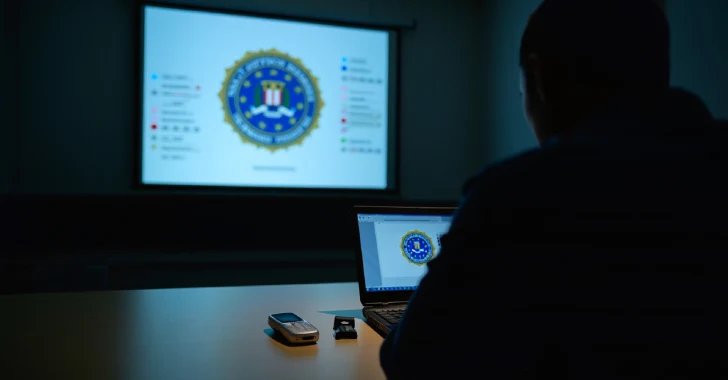
Chinese Hacker Xu Zewei Arrested: Ties to Silk Typhoon and U.S. Cyber Attacks Revealed

Staff WriterBy Staff WriterJuly 9, 2025No Comments4 Mins Read0 Views
Facebook Twitter Pinterest LinkedIn Tumblr Email
Share
Facebook Twitter LinkedIn Pinterest WhatsApp Email

Fast Facts

  1. Arrest of Xu Zewei: A 33-year-old Chinese national was arrested in Milan for links to the state-sponsored hacking group Silk Typhoon, charged with wire fraud and identity theft for cyber attacks against U.S. organizations and government agencies between 2020 and 2021.

  2. Exploitation of Microsoft Vulnerabilities: The hacker group is accused of exploiting zero-day flaws in Microsoft Exchange Server, part of a larger campaign known as "Hafnium," targeting over 60,000 U.S. entities to steal sensitive information.

  3. Involvement in Espionage: Xu allegedly participated in China’s espionage efforts during the COVID-19 pandemic, attempting to access vaccine research from U.S. universities while working for a Chinese company that obscured state involvement.

  4. Ongoing Threat: Experts warn that despite the arrest, state-sponsored cyber operations will likely persist, as the underlying systems and numerous operators in these networks remain active and undeterred by Xu’s apprehension.

Underlying Problem

In a significant development in cybersecurity, Xu Zewei, a 33-year-old Chinese national, has been arrested in Milan, Italy, for alleged connections to the state-sponsored hacking group Silk Typhoon. This group, reputed for exploiting zero-day vulnerabilities, notably targeted American organizations and government entities through a series of cyber assaults from February 2020 to June 2021, including the notorious Hafnium campaign that leveraged flaws within Microsoft Exchange Server. Xu faces nine counts of wire fraud and conspiracy related to unauthorized access and aggravated identity theft, further highlighting the expansive reach of state-sponsored cyber-espionage efforts aimed at acquiring sensitive information, particularly during the COVID-19 pandemic.

The Justice Department’s allegations specify that Xu acted under the auspices of China’s Ministry of State Security, purportedly with instructions from the Shanghai State Security Bureau. Despite Xu’s claims of mistaken identity and his legal representation’s assertion regarding the commonality of his surname in China, experts like John Hultquist from Google’s Threat Intelligence Group underscore that his arrest is unlikely to disrupt ongoing cyber espionage activities significantly. As state-sponsored tactics become increasingly sophisticated, the incident raises concerns about the broader implications of cyber warfare and the persistent threat posed by entities like Silk Typhoon in the global digital landscape.

Security Implications

The arrest of Xu Zewei, linked to the state-sponsored hacking group Silk Typhoon, underscores significant risks for businesses, users, and organizations vulnerable to similar cyber threats. As demonstrated in the Hafnium campaign, which compromised over 12,700 entities, the ramifications extend beyond immediate data breaches; they implicate critical infrastructure and intellectual property theft, particularly in sectors like healthcare and defense. This creates a cascading effect—impacted organizations may face financial losses, reputational damage, and erosion of user trust, while simultaneously suffering operational disruptions. Furthermore, persistent cyber espionage efforts suggest that the arrest is unlikely to halt ongoing threats, thereby perpetuating an environment where sensitive information remains at risk. As the cyber landscape evolves, it is vital for organizations to bolster their defenses and remain vigilant against increasingly sophisticated attack vectors, lest they become unwitting participants in a broader geopolitical chess game of information warfare.

Possible Remediation Steps

The prompt and effective response to cyber threats such as those posed by Xu Zewei and the Silk Typhoon group is imperative for national security and organizational integrity.

Mitigation Steps

  1. Network Monitoring: Implement continuous surveillance to detect anomalous activities.
  2. Incident Response Plans: Develop and test comprehensive frameworks for immediate reaction to breaches.
  3. User Education: Conduct training programs to enhance awareness of phishing and social engineering.
  4. Access Controls: Strengthen authentication protocols to minimize unauthorized entry.
  5. Threat Intelligence Sharing: Collaborate with other entities to exchange information on emerging threats.
  6. Vulnerability Assessments: Regularly identify and address weaknesses in systems.
  7. Data Encryption: Secure sensitive information through advanced encryption standards.

NIST Guidance
NIST recommends adhering to the Cybersecurity Framework (CSF), focusing on identifying, protecting, detecting, responding, and recovering from incidents. For detailed protocols on mitigation, refer to NIST Special Publication 800-61, which outlines incident handling best practices.

Continue Your Cyber Journey

Discover cutting-edge developments in Emerging Tech and industry Insights.

Access world-class cyber research and guidance from IEEE.

Disclaimer: The information provided may not always be accurate or up to date. Please do your own research, as the cybersecurity landscape evolves rapidly. Intended for secondary references purposes only.

Cyberattacks-V1

CISO Update computer security cyber attacks cyber news cyber security news cyber security news today cyber security updates cyber updates Cybersecurity data breach hacker news hacking news how to hack information security MX1 network security ransomware malware software vulnerability the hacker news
Share. Facebook Twitter Pinterest LinkedIn Tumblr Email
Previous ArticleCyberattack Disrupts Canadian Electric Utility’s Power Meters
Next Article Unpatched Ruckus Flaws Enable Wireless Hacks
Avatar photo
Staff Writer
  • Website

John Marcelli is a staff writer for the CISO Brief, with a passion for exploring and writing about the ever-evolving world of technology. From emerging trends to in-depth reviews of the latest gadgets, John stays at the forefront of innovation, delivering engaging content that informs and inspires readers. When he's not writing, he enjoys experimenting with new tech tools and diving into the digital landscape.

Related Posts

ShadowSyndicate’s Server Transition Tactics in Ransomware Attacks

February 5, 2026

Buhlmann Group Faces Devastating Ransomware Attack

February 5, 2026

Hackers Exploit Decade-Old Windows Flaw to Disable Modern EDR Defenses

February 5, 2026

Comments are closed.

Latest Posts

ShadowSyndicate’s Server Transition Tactics in Ransomware Attacks

February 5, 2026

Buhlmann Group Faces Devastating Ransomware Attack

February 5, 2026

Hackers Exploit Decade-Old Windows Flaw to Disable Modern EDR Defenses

February 5, 2026

Unlocking Hidden Power: Why Boards Should Care About Their ‘Boring’ Systems

February 5, 2026
Don't Miss

ShadowSyndicate’s Server Transition Tactics in Ransomware Attacks

By Staff WriterFebruary 5, 2026

Top Highlights ShadowSyndicate, a threat group first identified in 2022, has advanced its infrastructure management…

Buhlmann Group Faces Devastating Ransomware Attack

February 5, 2026

Hackers Exploit Decade-Old Windows Flaw to Disable Modern EDR Defenses

February 5, 2026

Subscribe to Updates

Subscribe to our newsletter and never miss our latest news

Subscribe my Newsletter for New Posts & tips Let's stay updated!

Recent Posts

  • ShadowSyndicate’s Server Transition Tactics in Ransomware Attacks
  • Buhlmann Group Faces Devastating Ransomware Attack
  • Hackers Exploit Decade-Old Windows Flaw to Disable Modern EDR Defenses
  • Unlocking Hidden Power: Why Boards Should Care About Their ‘Boring’ Systems
  • Critical n8n Flaw CVE-2026-25049: Command Execution Risk via Malicious Workflows
About Us
About Us

Welcome to The CISO Brief, your trusted source for the latest news, expert insights, and developments in the cybersecurity world.

In today’s rapidly evolving digital landscape, staying informed about cyber threats, innovations, and industry trends is critical for professionals and organizations alike. At The CISO Brief, we are committed to providing timely, accurate, and insightful content that helps security leaders navigate the complexities of cybersecurity.

Facebook X (Twitter) Pinterest YouTube WhatsApp
Our Picks

ShadowSyndicate’s Server Transition Tactics in Ransomware Attacks

February 5, 2026

Buhlmann Group Faces Devastating Ransomware Attack

February 5, 2026

Hackers Exploit Decade-Old Windows Flaw to Disable Modern EDR Defenses

February 5, 2026
Most Popular

Nokia Alerts Telecoms to Rising Stealth Attacks, DDoS Surge, and Cryptography Pressures

October 8, 20259 Views

Cyberattack Cripples 34 Devices in Telecoms Using LinkedIn Lures & MINIBIKE Malware

September 19, 20259 Views

Tonic Security Secures $7 Million to Transform Cyber Risk Reduction

July 28, 20259 Views

Archives

  • February 2026
  • January 2026
  • December 2025
  • November 2025
  • October 2025
  • September 2025
  • August 2025
  • July 2025
  • June 2025

Categories

  • Compliance
  • Cyber Updates
  • Cybercrime and Ransomware
  • Editor's pick
  • Emerging Tech
  • Events
  • Featured
  • Insights
  • Threat Intelligence
  • Uncategorized
© 2026 thecisobrief. Designed by thecisobrief.
  • Home
  • About Us
  • Advertise with Us
  • Contact Us
  • DMCA
  • Privacy Policy
  • Terms & Conditions

Type above and press Enter to search. Press Esc to cancel.