
Close Menu
  • Home
  • Cybercrime and Ransomware
  • Emerging Tech
  • Threat Intelligence
  • Expert Insights
  • Careers and Learning
  • Compliance

Subscribe to Updates

Subscribe to our newsletter and never miss our latest news

Subscribe my Newsletter for New Posts & tips Let's stay updated!

What's Hot

WantToCry Ransomware Exploits SMB to Remotely Encrypt Files

May 21, 2026

Critical Breach: Internal Repositories Compromised via Malicious Nx Console Extension

May 21, 2026

Dark Web Brokers Resell Old Breaches as New Corporate Data Leaks

May 21, 2026
Facebook X (Twitter) Instagram
The CISO Brief
  • Home
  • Cybercrime and Ransomware
  • Emerging Tech
  • Threat Intelligence
  • Expert Insights
  • Careers and Learning
  • Compliance
Home » Hacked: US Nuclear Agency Breached Through SharePoint
Cybercrime and Ransomware

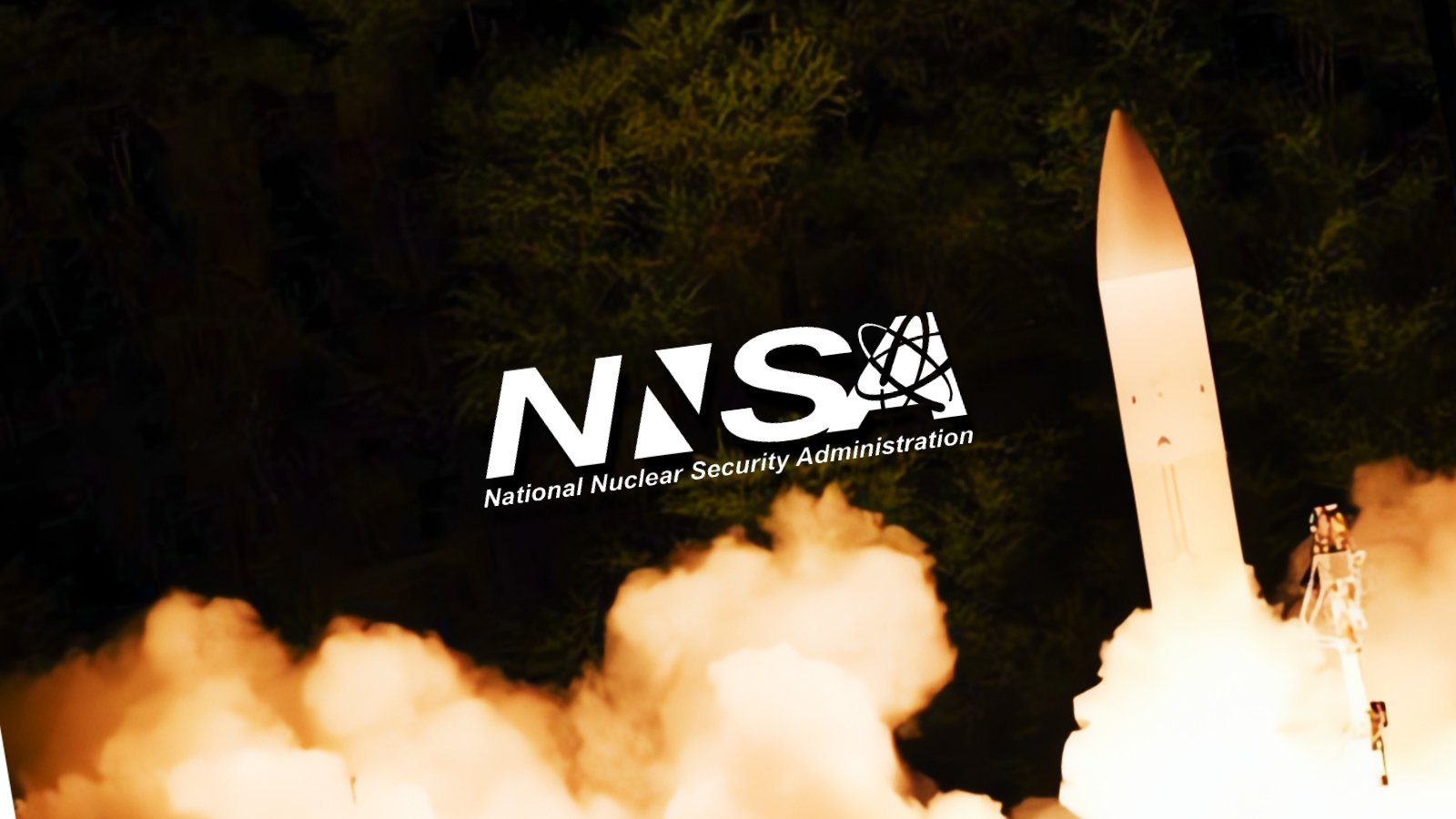
Hacked: US Nuclear Agency Breached Through SharePoint

Staff WriterBy Staff WriterJuly 23, 2025No Comments4 Mins Read1 Views
Facebook Twitter Pinterest LinkedIn Tumblr Email
Share
Facebook Twitter LinkedIn Pinterest WhatsApp Email

Essential Insights

  1. Breach Confirmation: The National Nuclear Security Administration (NNSA) was breached by unknown threat actors exploiting a patched Microsoft SharePoint zero-day vulnerability, confirmed by a Department of Energy spokesperson.

  2. Impact Assessment: Only a small number of NNSA systems were impacted, with assurances that no sensitive or classified information was compromised; restoration of affected systems is underway.

  3. Ongoing Threat Analysis: Microsoft and Google linked multiple Chinese state-sponsored hacking groups to the exploitation of the same vulnerability, with at least 400 servers infected and over 148 organizations compromised globally.

  4. Federal Response: The Cybersecurity and Infrastructure Security Agency (CISA) has listed the vulnerability as exploited, mandating U.S. federal agencies to secure their systems immediately.

Underlying Problem

In a notable breach of the National Nuclear Security Administration (NNSA) network, unidentified threat actors exploited a recently patched zero-day vulnerability in Microsoft SharePoint. This incident, confirmed by a spokesperson from the Department of Energy, occurred on July 18th, resulting in minimal impact due to the agency’s robust cybersecurity infrastructure and its extensive use of Microsoft 365 cloud services. Although the breach raised alarms, officials stated that only a handful of systems were affected, and no sensitive or classified data is believed to have been compromised. This breach follows a previous incident in 2019, where the APT29 threat group, linked to the Russian Foreign Intelligence Service, similarly infiltrated the agency.

In parallel, reports emerged linking the latest wave of attacks to Chinese state-sponsored hacking groups that targeted over 400 servers globally. Cybersecurity firms like Microsoft and Eye Security revealed that these coordinated attacks were initiated via the ToolShell vulnerability chain, with various Chinese entities exploiting this flaw against government and multinational organizations. As investigations into these breaches continue, the Cybersecurity and Infrastructure Security Agency (CISA) has urged federal agencies to secure their systems promptly, highlighting the escalating and persistent nature of cyber threats to national security.

Risk Summary

The recent breach of the National Nuclear Security Administration’s network, facilitated by a Microsoft SharePoint zero-day vulnerability, poses substantial risks not only to the integrity of sensitive governmental operations but also to a vast ecosystem of businesses, users, and organizations interconnected through shared digital frameworks. As threat actors, including state-sponsored groups, exploit these vulnerabilities, the ramifications could cascade, jeopardizing the security posture of enterprises leveraging similar technologies. Compromised supply chains may lead to data leaks, unapproved access to critical infrastructure, and potentially, the disruption of services that rely on these shared assets. Consequently, organizations may face not only financial losses but also reputational damage and legal ramifications, as customer trust erodes in the wake of compromised personal and proprietary information. The urgency to bolster cybersecurity measures and adopt stringent security protocols cannot be overstated; inaction may catalyze a domino effect, where the vulnerabilities of one entity become the liabilities of many.

Possible Actions

The urgency of addressing vulnerabilities within critical infrastructure cannot be overstated, particularly when it concerns the integrity of national defense systems such as those managed by the U.S. nuclear weapons agency.

Mitigation Steps

  1. Immediate Patching
  2. Incident Response Activation
  3. Network Segmentation
  4. User Activity Audits
  5. Vulnerability Assessments
  6. Improved Access Controls
  7. Enhanced Security Training
  8. Threat Intelligence Integration
  9. Regular System Backups
  10. Crisis Communication Plans

NIST CSF Guidance

The NIST Cybersecurity Framework (CSF) underscores the necessity of timely detection and response to security incidents. Specifically, refer to NIST SP 800-53 for detailed controls related to risk management and incident response.

Stay Ahead in Cybersecurity

Discover cutting-edge developments in Emerging Tech and industry Insights.

Learn more about global cybersecurity standards through the NIST Cybersecurity Framework.

Disclaimer: The information provided may not always be accurate or up to date. Please do your own research, as the cybersecurity landscape evolves rapidly. Intended for secondary references purposes only.

Cyberattacks-V1

CISO Update Cybersecurity MX1
Share. Facebook Twitter Pinterest LinkedIn Tumblr Email
Previous ArticleUK’s Ransomware Payment Ban: Bold Strategy or Risky Gamble?
Next Article Essential Security Update: Sophos Firewall Vulnerabilities Patched
Avatar photo
Staff Writer
  • Website

John Marcelli is a staff writer for the CISO Brief, with a passion for exploring and writing about the ever-evolving world of technology. From emerging trends to in-depth reviews of the latest gadgets, John stays at the forefront of innovation, delivering engaging content that informs and inspires readers. When he's not writing, he enjoys experimenting with new tech tools and diving into the digital landscape.

Related Posts

WantToCry Ransomware Exploits SMB to Remotely Encrypt Files

May 21, 2026

Dark Web Brokers Resell Old Breaches as New Corporate Data Leaks

May 21, 2026

Void Botnet Harnesses Ethereum Smart Contracts for Secure C2 Control

May 20, 2026

Comments are closed.

Latest Posts

WantToCry Ransomware Exploits SMB to Remotely Encrypt Files

May 21, 2026

Dark Web Brokers Resell Old Breaches as New Corporate Data Leaks

May 21, 2026

Void Botnet Harnesses Ethereum Smart Contracts for Secure C2 Control

May 20, 2026

GitHub: Internal Repositories Affected by Poisoned VS Code Extension Attack

May 20, 2026
Don't Miss

WantToCry Ransomware Exploits SMB to Remotely Encrypt Files

By Staff WriterMay 21, 2026

Quick Takeaways WantToCry ransomware targets organizations by exploiting exposed SMB ports rather than dropping malware…

Dark Web Brokers Resell Old Breaches as New Corporate Data Leaks

May 21, 2026

Void Botnet Harnesses Ethereum Smart Contracts for Secure C2 Control

May 20, 2026

Subscribe to Updates

Subscribe to our newsletter and never miss our latest news

Subscribe my Newsletter for New Posts & tips Let's stay updated!

Recent Posts

  • WantToCry Ransomware Exploits SMB to Remotely Encrypt Files
  • Critical Breach: Internal Repositories Compromised via Malicious Nx Console Extension
  • Dark Web Brokers Resell Old Breaches as New Corporate Data Leaks
  • Chainguard and FINOS Lead the AI Supply Chain Security Revolution
  • Void Botnet Harnesses Ethereum Smart Contracts for Secure C2 Control
About Us
About Us

Welcome to The CISO Brief, your trusted source for the latest news, expert insights, and developments in the cybersecurity world.

In today’s rapidly evolving digital landscape, staying informed about cyber threats, innovations, and industry trends is critical for professionals and organizations alike. At The CISO Brief, we are committed to providing timely, accurate, and insightful content that helps security leaders navigate the complexities of cybersecurity.

Facebook X (Twitter) Pinterest YouTube WhatsApp
Our Picks

WantToCry Ransomware Exploits SMB to Remotely Encrypt Files

May 21, 2026

Critical Breach: Internal Repositories Compromised via Malicious Nx Console Extension

May 21, 2026

Dark Web Brokers Resell Old Breaches as New Corporate Data Leaks

May 21, 2026
Most Popular

Protecting MCP Security: Defeating Prompt Injection & Tool Poisoning

January 30, 202632 Views

Unlock the Power of Free WormGPT: Harnessing DeepSeek, Gemini, and Kimi-K2 AI Models

November 27, 202530 Views

The New Face of DDoS is Impacted by AI

August 4, 202527 Views

Archives

  • May 2026
  • April 2026
  • March 2026
  • February 2026
  • January 2026
  • December 2025
  • November 2025
  • October 2025
  • September 2025
  • August 2025
  • July 2025
  • June 2025

Categories

  • Compliance
  • Cyber Updates
  • Cybercrime and Ransomware
  • Editor's pick
  • Emerging Tech
  • Events
  • Featured
  • Insights
  • Most Read
  • Threat Intelligence
  • Uncategorized
© 2026 thecisobrief. Designed by thecisobrief.
  • Home
  • About Us
  • Advertise with Us
  • Contact Us
  • DMCA
  • Privacy Policy
  • Terms & Conditions

Type above and press Enter to search. Press Esc to cancel.