
Close Menu
  • Home
  • Cybercrime and Ransomware
  • Emerging Tech
  • Threat Intelligence
  • Expert Insights
  • Careers and Learning
  • Compliance

Subscribe to Updates

Subscribe to our newsletter and never miss our latest news

Subscribe my Newsletter for New Posts & tips Let's stay updated!

What's Hot

Urgent: Exploitation of SAP Commerce Cloud CVE-2026-58231 Sparks Immediate Threat

September 19, 2026

Mastering Security: The One-Incident Test for Unified Platform Evaluation

September 19, 2026

GISEC 2026: Quantum, AI escalate cyberattack sophistication

September 19, 2026
Facebook X (Twitter) Instagram
The CISO Brief
  • Home
  • Cybercrime and Ransomware
  • Emerging Tech
  • Threat Intelligence
  • Expert Insights
  • Careers and Learning
  • Compliance
Home » Exposing VexTrio: The Dark Side of Fake VPNs and Spam Blockers
Cybercrime and Ransomware

Exposing VexTrio: The Dark Side of Fake VPNs and Spam Blockers

Staff WriterBy Staff WriterAugust 6, 2025No Comments4 Mins Read9 Views
Facebook Twitter Pinterest LinkedIn Tumblr Email
Share
Facebook Twitter LinkedIn Pinterest WhatsApp Email

Quick Takeaways

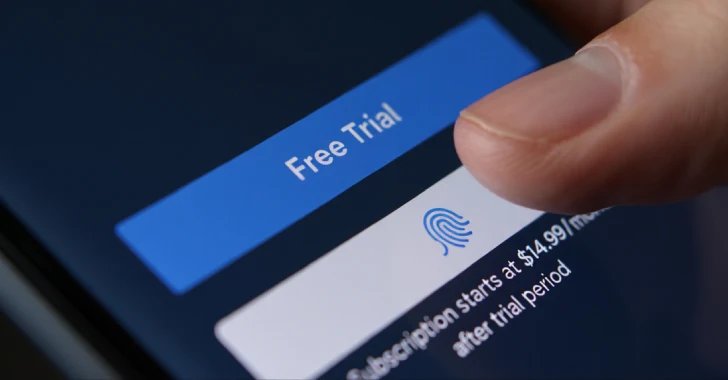
  1. Malware Distribution via Legitimate Channels: VexTrio Viper has developed multiple malicious apps disguised as useful services (e.g., VPNs, spam blockers) on Apple and Google stores, accumulating millions of downloads while charging users deceptive subscription fees.

  2. Operational Structure: The group operates a multinational crime network involving traffic distribution services (TDS) and commercial affiliate networks, with connections across Europe and a history of fraudulent activities since at least 2004.

  3. Consumer Deception and Financial Exploitation: Users of these malicious apps face aggressive monetization tactics, including disruptive ads and misleading subscription models that often lead to unexpected recurring charges, making cancellation challenging.

  4. Cloaked Scams: VexTrio utilizes cloaking techniques to redirect users from legitimate sites to scam pages, leveraging personalized user data while operating unnoticed due to a focus on malware over scam education in the cybersecurity realm.

Underlying Problem

In a concerning exposé reported by Infoblox and highlighted by The Hacker News, the notorious ad tech entity VexTrio Viper has been unveiled as a purveyor of malicious applications masquerading as innocuous tools across the Apple and Google app marketplaces. Under the guise of seemingly beneficial apps—ranging from VPNs to spam blockers—these deceptive programs have accrued millions of downloads while perpetrating scams on unsuspecting users. By employing various developer aliases, including LocoMind and AlphaScale Media, VexTrio Viper has ensnared users into subscription traps that are not only difficult to cancel but also inundate them with advertisements and harvest personal data. Previous red flags associated with LocoMind, noted by Cyjax, further underscore the sinister nature of this operation, as it had previously been involved in phishing schemes.

At the crux of this complex and deeply embedded criminal enterprise is VexTrio’s extensive network, which controls both the publishing and advertising dimensions of fraudulent affiliate marketing. Functioning via Traffic Distribution Services (TDS), VexTrio adeptly channels internet traffic toward scam-oriented landing pages while maintaining a façade of legitimacy. Dr. Renée Burton from Infoblox elucidates that this organization, which has ties to Russian organized crime, is emblematic of a troubling trend where ad tech facilitates a wide array of cybercrimes with relative impunity. The scale of their operations, characterized by the seamless integration of malicious ad tech into everyday online interactions, underscores an urgent need for enhanced cybersecurity awareness and education, particularly as victims are often dismissed in narratives around cybercrime.

Risk Summary

The emergence of VexTrio Viper and its array of malicious applications presents significant risks not only to individual users but also to a broader spectrum of businesses and organizations that may find themselves adversely affected. As these nefarious apps proliferate within legitimate app storefronts, they can lead to widespread financial exploitation of users who unwittingly subscribe to deceptive services, resulting in significant backlash against the brands associated with these platforms. Businesses that utilize mobile advertising or service partnerships may see their reputations tarnished by association, experiencing customer distrust and potential declines in user engagement as a direct consequence of these scams. Furthermore, the malicious activity may incite regulatory scrutiny across the app ecosystem, putting legitimate developers at risk of increased compliance costs and restrictive measures. Ultimately, the ripple effects of such cybercrime serve to undermine trust in digital networks, fostering an environment where even well-intentioned entities may inadvertently become collateral damage in a landscape rife with fraud and exploitation.

Fix & Mitigation

Addressing the pervasive threats of ad fraud and subscription scams linked to misleading VPN and spam blocker applications necessitates prompt and effective actions to safeguard users and maintain digital integrity.

Mitigation Steps:

  • Conduct thorough app assessments to identify malicious elements.
  • Enhance user awareness through educational campaigns on identifying false applications.
  • Implement stringent vetting processes for app developers to ensure credibility.
  • Collaborate with cybersecurity companies to monitor and combat such scams.
  • Report offending applications to relevant app stores for prompt removal.
  • Develop and deploy real-time alerts for users regarding suspicious app behavior.

NIST Guidance:
NIST’s Cybersecurity Framework (CSF) underscores the necessity for continuous risk management practices and emphasizes the protection of critical assets. Relevant Special Publication 800-53 provides extensive guidance on security and privacy controls applicable in mitigating these types of threats, thus serving as a crucial reference for organizations seeking comprehensive protective measures.

Stay Ahead in Cybersecurity

Discover cutting-edge developments in Emerging Tech and industry Insights.

Explore engineering-led approaches to digital security at IEEE Cybersecurity.

Disclaimer: The information provided may not always be accurate or up to date. Please do your own research, as the cybersecurity landscape evolves rapidly. Intended for secondary references purposes only.

Cyberattacks-V1

CISO Update computer security cyber attacks cyber news cyber security news cyber security news today cyber security updates cyber updates Cybersecurity data breach hacker news hacking news how to hack information security MX1 network security ransomware malware software vulnerability the hacker news
Share. Facebook Twitter Pinterest LinkedIn Tumblr Email
Previous ArticleLiongard Debuts ThreatImpactIQ for Smarter Risk Mgmt
Next Article US Doubles Down on Zero-Trust to Thwart Cyber Hacks
Avatar photo
Staff Writer
  • Website

John Marcelli is a staff writer for the CISO Brief, with a passion for exploring and writing about the ever-evolving world of technology. From emerging trends to in-depth reviews of the latest gadgets, John stays at the forefront of innovation, delivering engaging content that informs and inspires readers. When he's not writing, he enjoys experimenting with new tech tools and diving into the digital landscape.

Related Posts

Urgent: Exploitation of SAP Commerce Cloud CVE-2026-58231 Sparks Immediate Threat

September 19, 2026

Mastering Security: The One-Incident Test for Unified Platform Evaluation

September 19, 2026

GISEC 2026: Quantum, AI escalate cyberattack sophistication

September 19, 2026

Comments are closed.

Latest Posts

Urgent: Exploitation of SAP Commerce Cloud CVE-2026-58231 Sparks Immediate Threat

September 19, 2026

Suspected China-Linked Group Exploits VMware Flaw to Launch Babuk Ransomware

September 16, 2026

CISA Flags Critical Ray Flaw for Browser-Based RCE Exploits

September 13, 2026

TWINLOOT Exploits SharePoint and Teams to Steal Credentials and Lateral Movement

September 10, 2026
Don't Miss

Urgent: Exploitation of SAP Commerce Cloud CVE-2026-58231 Sparks Immediate Threat

By Staff WriterSeptember 19, 2026

Quick Takeaways A critical SAP Commerce Cloud vulnerability (CVE-2026-58231) with a CVSS score of 10.0…

Mastering Security: The One-Incident Test for Unified Platform Evaluation

September 19, 2026

GISEC 2026: Quantum, AI escalate cyberattack sophistication

September 19, 2026

Subscribe to Updates

Subscribe to our newsletter and never miss our latest news

Subscribe my Newsletter for New Posts & tips Let's stay updated!

Recent Posts

  • Urgent: Exploitation of SAP Commerce Cloud CVE-2026-58231 Sparks Immediate Threat
  • Mastering Security: The One-Incident Test for Unified Platform Evaluation
  • GISEC 2026: Quantum, AI escalate cyberattack sophistication
  • CrowdSec Reveals NPM Attack Resulted in 170 Private GitHub Repo Copies
  • SolarWinds ARM Hard-Coded Key Enables RCE Exploitation
About Us
About Us

Welcome to The CISO Brief, your trusted source for the latest news, expert insights, and developments in the cybersecurity world.

In today’s rapidly evolving digital landscape, staying informed about cyber threats, innovations, and industry trends is critical for professionals and organizations alike. At The CISO Brief, we are committed to providing timely, accurate, and insightful content that helps security leaders navigate the complexities of cybersecurity.

Facebook X (Twitter) Pinterest YouTube WhatsApp
Our Picks

Urgent: Exploitation of SAP Commerce Cloud CVE-2026-58231 Sparks Immediate Threat

September 19, 2026

Mastering Security: The One-Incident Test for Unified Platform Evaluation

September 19, 2026

GISEC 2026: Quantum, AI escalate cyberattack sophistication

September 19, 2026
Most Popular

Gefährliche Angriffe: Wie Cyberkriminelle Ihre Identität angreifen

January 29, 2026200 Views

CISA Alerts: Critical Vulnerability in Splunk Enterprise Under Active Attack

June 19, 2026199 Views

Salesforce Disables Klue App After Data Breach from Token Abuse

June 19, 2026197 Views

Archives

  • September 2026
  • August 2026
  • July 2026
  • June 2026
  • May 2026
  • April 2026
  • March 2026
  • February 2026
  • January 2026
  • December 2025
  • November 2025
  • October 2025
  • September 2025
  • August 2025
  • July 2025
  • June 2025

Categories

  • Compliance
  • Cyber Updates
  • Cybercrime and Ransomware
  • Editor's pick
  • Emerging Tech
  • Events
  • Featured
  • Insights
  • Most Read
  • Threat Intelligence
  • Uncategorized
© 2026 thecisobrief. Designed by thecisobrief.
  • Home
  • About Us
  • Advertise with Us
  • Contact Us
  • DMCA
  • Privacy Policy
  • Terms & Conditions

Type above and press Enter to search. Press Esc to cancel.