

Top Highlights
-
Internal network penetration testing is essential in 2025 to identify lateral movement, validate Zero Trust, and test incident response, as internal breaches often lead to critical data exfiltration.
-
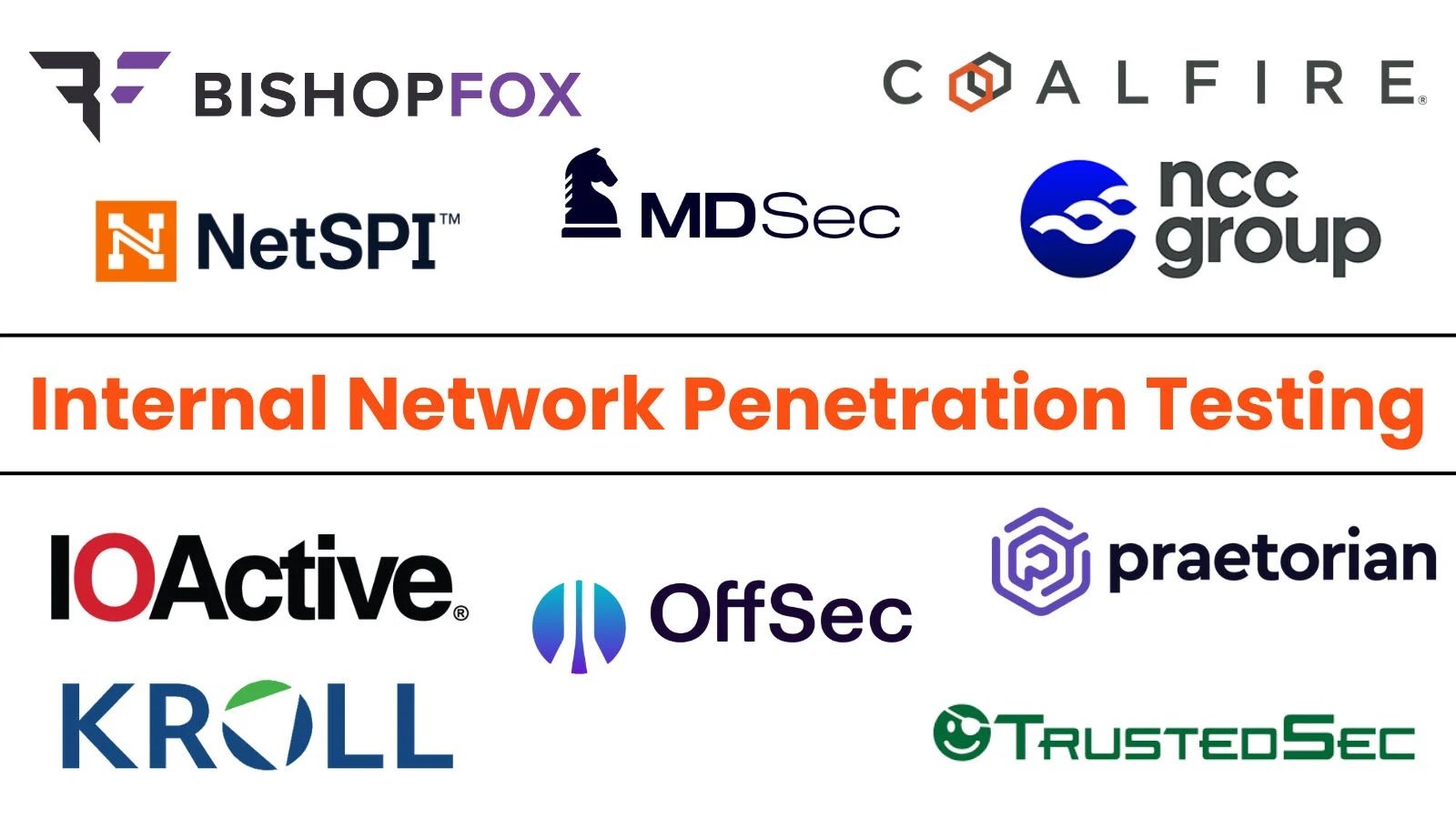
Leading firms like Bishop Fox, NCC Group, and MDSec excel in technical expertise, deep attack vector knowledge, and research-driven assessments, catering to high-complexity environments.
-
Companies such as NetSPI, Coalfire, and Kroll focus on scalable, platform-enabled testing, compliance, and real-world threat simulation, ideal for regulated or large-scale organizations.
- Selecting a provider depends on organizational needs—research-heavy expertise for complex environments, or compliance and continuous testing for regulated industries—making tailored choices crucial.
Underlying Problem
In 2025, internal network penetration testing has become an indispensable element of robust cybersecurity, designed to identify vulnerabilities that could be exploited after an attacker bypasses external defenses. The story reveals that organizations often overlook this critical phase, allowing adversaries to move laterally within their networks, escalate privileges, and exfiltrate sensitive data. Several elite firms, such as Bishop Fox, NCC Group, and NetSPI, are highlighted for their specialized expertise in simulating real-world attack scenarios, evaluating internal security controls, and assessing readiness to detect and respond to breaches. These companies distinguish themselves through their experience, technical mastery, and comprehensive service offerings, providing tailored assessments that help organizations validate zero-trust models, map potential attack paths, and refine incident response plans.
The narrative emphasizes that choosing the right internal pentest provider hinges on organizational needs—whether compliance-driven, research-focused, or continuous security monitoring—and features like objective-based testing, red team capabilities, and flexible reporting. Renowned agencies like Bishop Fox and MDSec offer deep technical and research-backed insights, crucial for complex environments, while firms like Kroll and Coalfire draw on real-world threat intelligence to craft realistic, compliance-aligned assessments. This story underscores that in an era where a single compromised credential can open the floodgates, partnering with a top-tier internal penetration testing firm is essential for maintaining resilient defenses, understanding attack vectors, and safeguarding critical assets against ever-evolving cyber threats.
Risks Involved
In 2025, internal network penetration testing emerges as a critical safeguard against cyber risks, as external defenses alone cannot prevent sophisticated breaches that leverage compromised credentials or social engineering attacks to gain internal access. These tests simulate an attacker’s lateral movement after initial breach, evaluating internal segmentation, access controls, and detection capabilities vital for identifying privilege escalation, data exfiltration, and hidden attack pathways. They serve crucial roles: validating Zero Trust architectures, uncovering lateral movement routes, and assessing incident response readiness. Leading providers like Bishop Fox, NCC Group, and NetSPI distinguish themselves through expertise, compliance knowledge, and innovative methodologies—ranging from deep technical assessments to continuous, platform-based testing—tailored to diverse organizational needs. Consequently, internal pentests are indispensable for organizations aiming to fortify defenses, meet regulatory standards, and proactively close attack vectors—transforming reactive security into resilient risk management.
Possible Action Plan
Understanding the significance of prompt remediation in internal network security is critical, as delays can lead to severe vulnerabilities and potential breaches. Addressing issues quickly ensures the protection of sensitive data, minimizes operational disruptions, and maintains organizational trust against increasingly sophisticated attacks.
Mitigation Strategies
- Patch Management
- Access Controls
- Network Segmentation
Remediation Steps
- Vulnerability Patching
- Incident Response Planning
- Security Awareness Training
Advance Your Cyber Knowledge
Explore career growth and education via Careers & Learning, or dive into Compliance essentials.
Explore engineering-led approaches to digital security at IEEE Cybersecurity.
Disclaimer: The information provided may not always be accurate or up to date. Please do your own research, as the cybersecurity landscape evolves rapidly. Intended for secondary references purposes only.
Cyberattacks-V1
