

Quick Takeaways
- Effective endpoint protection is essential for MSPs/MSSPs to safeguard client data, ensure business continuity, and maintain reputation, especially as modern threats like ransomware and fileless malware evolve beyond legacy antivirus capabilities.
- The top solutions in 2025 emphasize advanced features such as AI-driven prevention, human-powered threat hunting, autonomous AI responses, multi-tenant management, and seamless integration with existing MSP tools, addressing unique operational challenges.
- Leading platforms like Sophos Intercept X, SentinelOne, CrowdStrike, and Blackpoint Cyber offer a blend of high efficacy, automation, human expertise, and MSP-specific features, empowering providers to deliver proactive, scalable security services.
- The selection process should align with an MSP’s operational model, client environment, and desired service level, balancing technological capabilities, partnership support, incident response models, and flexible pricing to optimize security, efficiency, and profitability.
Problem Explained
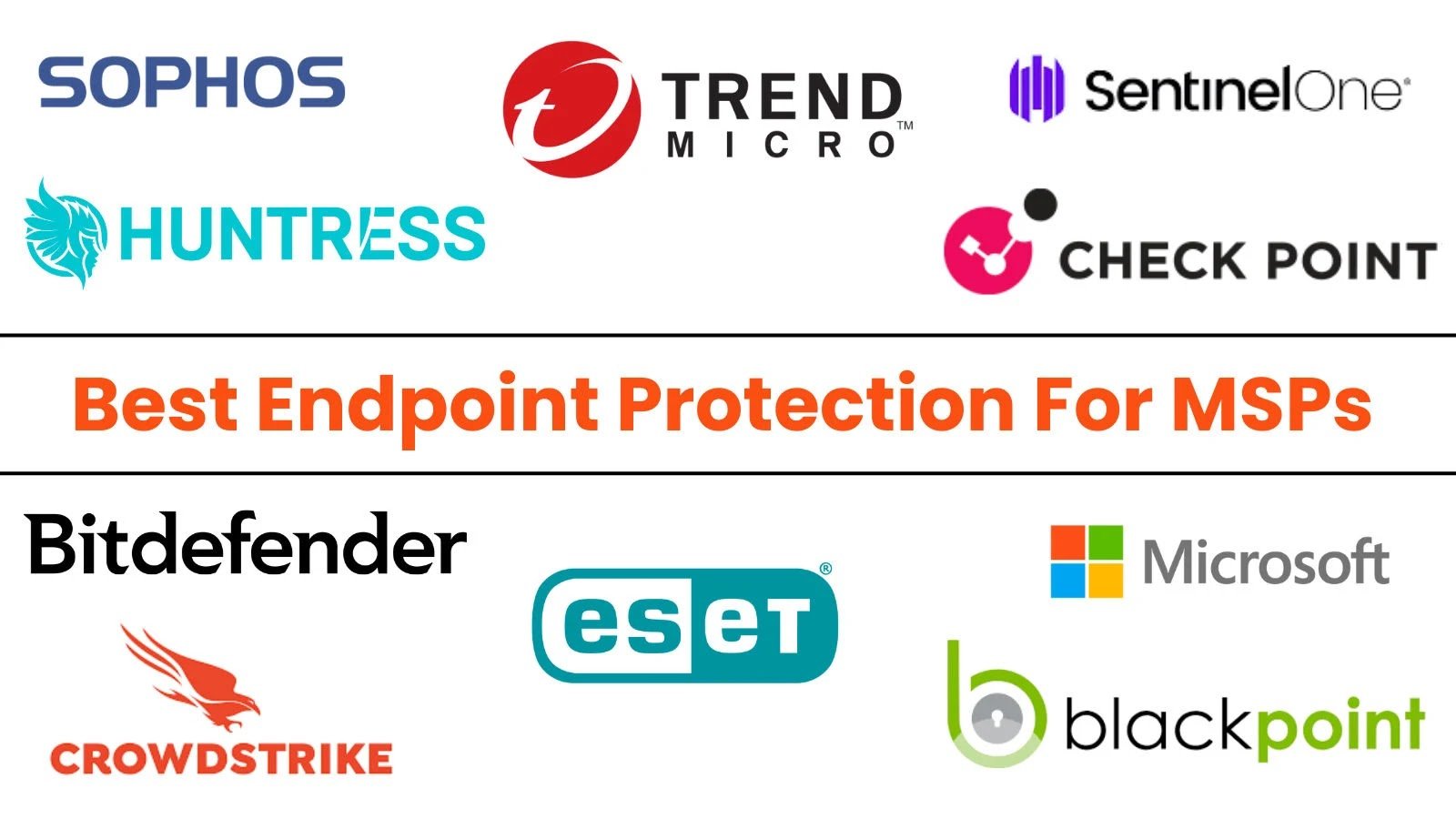
In 2025, MSPs and MSSPs face an escalating cybersecurity landscape demanding advanced endpoint protection solutions tailored for multi-tenant management, automation, and comprehensive threat lifecycle coverage. The story presents a detailed review of the top ten endpoint security platforms—ranging from Sophos and SentinelOne to Blackpoint Cyber—that address these critical needs by offering features like AI-driven prevention, human-powered threat hunting, and seamless integration with existing management tools. These solutions directly impact the security, efficiency, and profitability of service providers while protecting their diverse client environments from modern threats such as ransomware, fileless malware, and multi-stage attacks. The report underscores that the choice hinges on operational models, client ecosystem compatibility, and the desired balance between automation and expert oversight, with each platform’s strengths aligning differently with MSPs’ strategic priorities.
The narrative emphasizes that the decision to adopt a particular platform is vital, as it directly influences an MSP’s ability to safeguard client data, ensure regulatory compliance, and sustain business growth amidst complex cyber threats. Reporting is conducted by an industry-focused analysis, highlighting features, pros, cons, and optimal use cases for each solution—such as Sophos for ease of management, Huntress for proactive threat hunting, and Blackpoint Cyber for integrated MDR services—thereby providing MSPs with essential insights to make informed, future-proof investments that will fortify their cybersecurity stance and operational resilience.
Risks Involved
In the dynamic realm of cybersecurity, the risks faced by MSPs and MSSPs are profound, multifaceted, and capable of devastating consequences—ranging from data breaches and operational disruptions to regulatory penalties and damage to reputation. The primary vulnerabilities stem from client endpoints—laptops, desktops, servers, and mobile devices—which serve as frequent entry points for sophisticated threats like fileless malware, ransomware, and advanced persistent threats (APTs). Without advanced, scalable endpoint protection—encompassing features such as AI-driven prevention, EDR, threat hunting, and automated response—these providers risk failing their clients’ security, jeopardizing business continuity, and facing regulatory fallout. The high demand for next-generation solutions reflects the necessity for multi-tenant management, operational automation, threat lifecycle oversight, comprehensive reporting, and seamless integration within complex security stacks. The evolving threat landscape amplifies the importance of choosing solutions that not only defend against known malware but also detect and respond to stealthy, emerging attacks with autonomous, human-in-the-loop, or hybrid approaches, thereby safeguarding client data, maintaining compliance, and upholding provider credibility in an increasingly competitive market.
Possible Next Steps
Acting swiftly to address security threats is critical for MSPs and MSSPs, as delaying remediation can lead to severe data breaches, system downtime, and loss of client trust, especially with the rapidly evolving landscape of endpoint protection solutions.
Immediate Action
- Isolate affected endpoints to prevent spread.
- Disconnect devices from network.
- Shut down compromised systems if necessary.
Assessment & Identification
- Conduct thorough security investigations.
- Analyze logs and threat reports.
- Identify breach vectors and vulnerabilities.
Communication & Notification
- Inform affected clients promptly.
- Report incidents to relevant authorities if required.
- Provide clear guidance on next steps.
Containment & Eradication
- Remove malicious files and malware.
- Close security gaps exploited during attack.
- Reset compromised credentials.
Restoration & Recovery
- Restore systems from clean backups.
- Apply all relevant patches and updates.
- Reinstall or upgrade endpoint protection tools.
Follow-Up & Prevention
- Review security policies and practices.
- Conduct staff training on threat recognition.
- Enhance monitoring and intrusion detection measures.
Explore More Security Insights
Discover cutting-edge developments in Emerging Tech and industry Insights.
Learn more about global cybersecurity standards through the NIST Cybersecurity Framework.
Disclaimer: The information provided may not always be accurate or up to date. Please do your own research, as the cybersecurity landscape evolves rapidly. Intended for secondary references purposes only.
Cyberattacks-V1
