

Top Highlights
-
An audit revealed that CISA improperly awarded $138 million in Cybersecurity Retention Incentive payments, with $1.4 million going to 348 unqualified employees, raising concerns among staff about program survival.
-
Employees worry that the report’s emphasis on ineligible recipients could lead to the Trump administration dismantling the retention program, which is crucial for keeping talent amid past workforce cuts.
-
While the report highlights valid issues regarding vague eligibility criteria, many argue all CISA roles require cybersecurity knowledge, even if not directly tied to technical tasks.
- CISA staff fear that adjustments to incentive payments could exacerbate workforce challenges, risking a loss of skilled personnel just as the agency aims to implement the auditors’ recommendations.
Audit Findings Raise Pertinent Questions
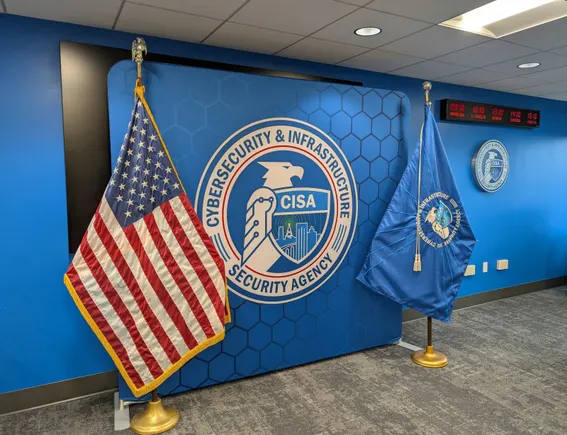
The recent audit of the Cybersecurity and Infrastructure Security Agency (CISA) has sparked significant debate. It criticized the agency’s Cybersecurity Retention Incentive payments, suggesting wasteful spending. The audit identified that CISA distributed about $138 million in incentives from 2020 to 2024. Notably, 348 employees received payments without meeting the necessary criteria. This led to questions about oversight and eligibility within the program.
Many CISA employees voiced concerns about the report. They argue that it lacks context, particularly regarding who benefits from cybersecurity knowledge. While the audit points out an important issue, it overlooks the broader necessity of cybersecurity awareness across various teams. Employees involved in strategy and external relations also require a solid understanding of cybersecurity to perform effectively. As they navigate complex issues, this expertise proves essential, even if not directly linked to technical roles.
Future Implications for Cybersecurity Workforce
The future of CISA’s incentive program remains uncertain. Some employees fear that government revisions may limit payments, jeopardizing employee retention. This concern is valid, especially given previous workforce reductions that cut a third of CISA’s staff. The agency relies heavily on skilled workers. Therefore, tightening eligibility criteria could lead to a detrimental exodus.
While some might argue for re-evaluation of the program, they must consider the potential consequences. An overly restrictive approach could push out essential personnel. As the agency works to implement changes suggested by the audit, employees are left anxious about their future. Preserving institutional knowledge is critical for the ongoing fight against cyber threats. Balancing accountability with the need to retain skilled workers will take careful consideration and dialogue.
Discover More Technology Insights
Learn how the Internet of Things (IoT) is transforming everyday life.
Stay inspired by the vast knowledge available on Wikipedia.
Cybersecurity-V1
