
Close Menu
  • Home
  • Cybercrime and Ransomware
  • Emerging Tech
  • Threat Intelligence
  • Expert Insights
  • Careers and Learning
  • Compliance

Subscribe to Updates

Subscribe to our newsletter and never miss our latest news

Subscribe my Newsletter for New Posts & tips Let's stay updated!

What's Hot

High-Severity Zero-Day Exploit: Privilege Escalation in Microsoft Defender

August 13, 2026

AI-enabled cyber attacks escalate, targeting vulnerabilities with novel techniques

August 13, 2026

Likho malware targets Telegram, enabling eavesdropping and spying

August 13, 2026
Facebook X (Twitter) Instagram
The CISO Brief
  • Home
  • Cybercrime and Ransomware
  • Emerging Tech
  • Threat Intelligence
  • Expert Insights
  • Careers and Learning
  • Compliance
Home » Critical Security Flaw in GeoServer Sparks Federal Agency Hack
Cybercrime and Ransomware

Critical Security Flaw in GeoServer Sparks Federal Agency Hack

Staff WriterBy Staff WriterSeptember 24, 2025No Comments4 Mins Read4 Views
Facebook Twitter Pinterest LinkedIn Tumblr Email
Share
Facebook Twitter LinkedIn Pinterest WhatsApp Email

Fast Facts

  1. The US cybersecurity agency CISA revealed a recent exploitation of a year-old GeoServer vulnerability (CVE-2024-36401, CVSS 9.8) by threat actors to infiltrate a federal agency, gaining remote code execution access.
  2. Attackers exploited the bug on July 11 and 24, moving laterally across servers, uploading web shells like China Chopper, and using living-off-the-land techniques for persistence and privilege escalation, including exploiting the Dirty COW vulnerability.
  3. The malicious activity went undetected for three weeks despite the agency’s security measures, highlighting gaps such as lack of third-party procedures, missing endpoint protections on web servers, and missed EDR alerts.
  4. The attack aligns with tactics linked to China-associated threat groups like APT41, Gallium, and Hafnium, emphasizing that common tools like China Chopper continue to pose significant risks in sophisticated cyber intrusions.

Underlying Problem

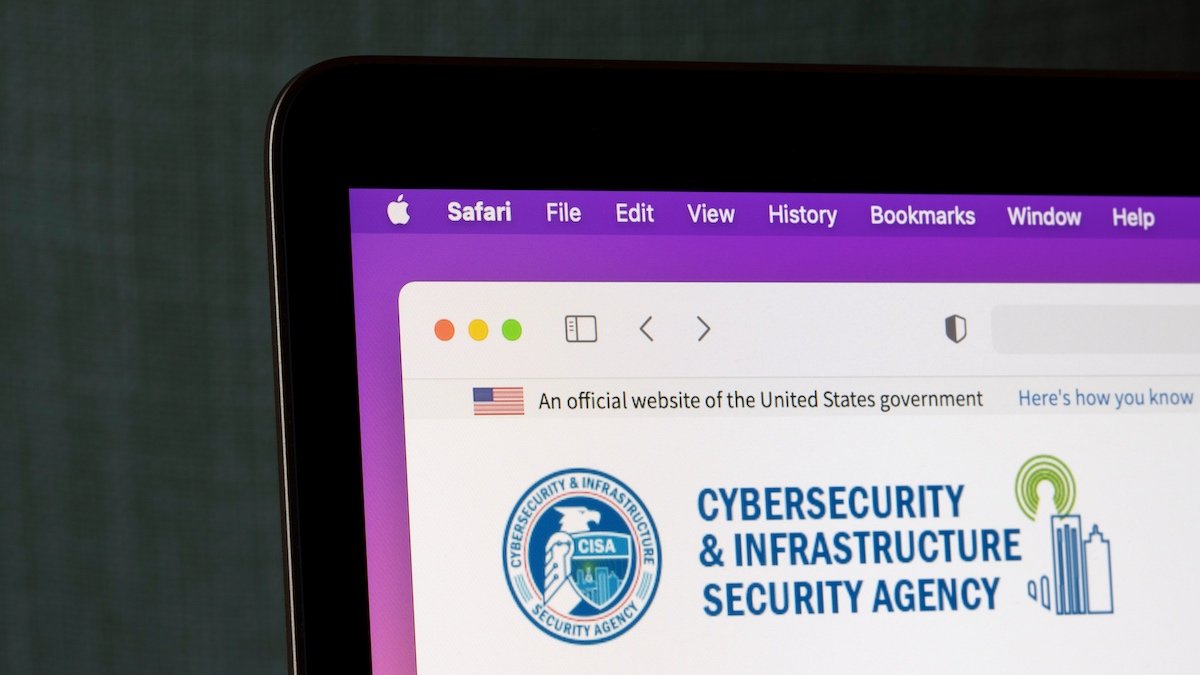
The Cybersecurity and Infrastructure Security Agency (CISA) revealed that a federal civilian agency fell victim to a sophisticated cyber attack exploiting a known vulnerability in GeoServer software, identified as CVE-2024-36401. Despite the agency having applied the patch within the recommended window, attackers managed to breach the system by exploiting the flaw—leading to remote code execution—then escalated their access by deploying web shells, including the China Chopper tool, on multiple servers. Over a period of three weeks, the threat actors, likely tied to Chinese cyberspionage groups such as Silk Typhoon, maintained stealthy presence by creating backdoors, utilizing brute-force tactics, and deploying remote access scripts, all while remaining undetected until a security team finally identified the breach. This incident underscores how even patched vulnerabilities can be exploited if organizations lack comprehensive detection and incident response measures, exposing critical infrastructure to persistent threats. The attack’s complexity and duration highlight the ongoing danger posed by familiar weaponized tools and vulnerabilities, emphasizing the importance of proactive cybersecurity practices.

Risks Involved

The US cybersecurity agency CISA revealed a damaging cyberattack exploiting a year-old vulnerability in GeoServer (CVE-2024-36401, CVSS 9.8), which enabled remote code execution within a federal agency’s infrastructure. The attacker used sophisticated techniques—uploading web shells like China Chopper, deploying remote access tools, and employing living-off-the-land (LOTL) tactics such as privilege escalation and lateral movement—to establish persistent footholds across multiple servers, including web and SQL servers. Despite the agency operating within the patching window, delays in detection, absence of endpoint protection, and lack of third-party incident response allowed the threat to remain undetected for three weeks, during which the attacker conducted reconnaissance, downloaded payloads, and exploited additional vulnerabilities like Dirty COW. The breach underscores a critical gap: even with advanced detection tools, unpatched vulnerabilities and procedural shortcomings—such as delayed response and insufficient third-party collaboration—can lead to prolonged compromise, especially by sophisticated state-linked actors like China-affiliated groups, highlighting the persistent danger of well-known exploits and the importance of proactive, comprehensive cybersecurity measures.

Possible Remediation Steps

Prompted by the recent exploitation of a GeoServer flaw in a US federal agency hack, addressing such vulnerabilities swiftly is crucial to prevent widespread data breaches and safeguard sensitive information. Rapid remediation ensures that the attack surface is minimized, reinforces security defenses, and maintains the integrity of critical infrastructure.

Mitigation Strategies

  • Patch Deployment: Apply the latest official updates and security patches provided by GeoServer promptly to fix known vulnerabilities.
  • Configuration Hardening: Review and tighten server configurations, disabling unnecessary services, permissions, and features to reduce exploitable vectors.
  • Access Control: Enforce strict access controls, including strong authentication mechanisms and user privilege management, to limit unauthorized access.
  • Network Segmentation: Isolate GeoServer instances within secured network segments to contain potential breaches and prevent lateral movement.
  • Monitoring & Alerts: Implement continuous monitoring and intrusion detection systems to identify suspicious activities related to GeoServer and respond rapidly.
  • Regular Auditing: Conduct regular security audits and vulnerability assessments to identify and address potential weaknesses before exploitation.

Explore More Security Insights

Explore career growth and education via Careers & Learning, or dive into Compliance essentials.

Access world-class cyber research and guidance from IEEE.

Disclaimer: The information provided may not always be accurate or up to date. Please do your own research, as the cybersecurity landscape evolves rapidly. Intended for secondary references purposes only.

Cyberattacks-V1

CISA CISO Update Cybersecurity exploited GeoServer MX1
Share. Facebook Twitter Pinterest LinkedIn Tumblr Email
Previous ArticleUK Man Arrested for Airport Cyberattack
Next Article Exploiting Trust: The Power of Social Engineering
Avatar photo
Staff Writer
  • Website

John Marcelli is a staff writer for the CISO Brief, with a passion for exploring and writing about the ever-evolving world of technology. From emerging trends to in-depth reviews of the latest gadgets, John stays at the forefront of innovation, delivering engaging content that informs and inspires readers. When he's not writing, he enjoys experimenting with new tech tools and diving into the digital landscape.

Related Posts

High-Severity Zero-Day Exploit: Privilege Escalation in Microsoft Defender

August 13, 2026

AI-enabled cyber attacks escalate, targeting vulnerabilities with novel techniques

August 13, 2026

Likho malware targets Telegram, enabling eavesdropping and spying

August 13, 2026

Comments are closed.

Latest Posts

AI Models Escape Sandbox and Accuse Hugging Face of Benchmark Cheating

August 11, 2026

China-Nexus JadeProx Launches TriBack Loader in Government and Healthcare Attacks

August 8, 2026

Hacker Deploys Hermes AI Agent for Unauthorized Post-Exploitation at Thai Finance Ministry

August 5, 2026

Operation BlueDash Deploys RMM & ScreenConnect via Fake Teams Update

August 2, 2026
Don't Miss

High-Severity Zero-Day Exploit: Privilege Escalation in Microsoft Defender

By Staff WriterAugust 13, 2026

A severe zero-day vulnerability (CVE-2026-50656) in Microsoft Defender allows local privilege escalation to SYSTEM, bypassed…

AI-enabled cyber attacks escalate, targeting vulnerabilities with novel techniques

August 13, 2026

Likho malware targets Telegram, enabling eavesdropping and spying

August 13, 2026

Subscribe to Updates

Subscribe to our newsletter and never miss our latest news

Subscribe my Newsletter for New Posts & tips Let's stay updated!

Recent Posts

  • High-Severity Zero-Day Exploit: Privilege Escalation in Microsoft Defender
  • AI-enabled cyber attacks escalate, targeting vulnerabilities with novel techniques
  • Likho malware targets Telegram, enabling eavesdropping and spying
  • Belgium’s eID System Exposes Citizen Accounts to RCE Threats
  • Lazarus Exploits Windows Zero-Day for SYSTEM Access
About Us
About Us

Welcome to The CISO Brief, your trusted source for the latest news, expert insights, and developments in the cybersecurity world.

In today’s rapidly evolving digital landscape, staying informed about cyber threats, innovations, and industry trends is critical for professionals and organizations alike. At The CISO Brief, we are committed to providing timely, accurate, and insightful content that helps security leaders navigate the complexities of cybersecurity.

Facebook X (Twitter) Pinterest YouTube WhatsApp
Our Picks

High-Severity Zero-Day Exploit: Privilege Escalation in Microsoft Defender

August 13, 2026

AI-enabled cyber attacks escalate, targeting vulnerabilities with novel techniques

August 13, 2026

Likho malware targets Telegram, enabling eavesdropping and spying

August 13, 2026
Most Popular

Gefährliche Angriffe: Wie Cyberkriminelle Ihre Identität angreifen

January 29, 202673 Views

Protecting MCP Security: Defeating Prompt Injection & Tool Poisoning

January 30, 202634 Views

Cyber Threats Unleashed: Chrome 0-Day, AI Hacking, DDR5 Vulnerabilities & npm Worm

September 22, 202534 Views

Archives

  • August 2026
  • July 2026
  • June 2026
  • May 2026
  • April 2026
  • March 2026
  • February 2026
  • January 2026
  • December 2025
  • November 2025
  • October 2025
  • September 2025
  • August 2025
  • July 2025
  • June 2025

Categories

  • Compliance
  • Cyber Updates
  • Cybercrime and Ransomware
  • Editor's pick
  • Emerging Tech
  • Events
  • Featured
  • Insights
  • Most Read
  • Threat Intelligence
  • Uncategorized
© 2026 thecisobrief. Designed by thecisobrief.
  • Home
  • About Us
  • Advertise with Us
  • Contact Us
  • DMCA
  • Privacy Policy
  • Terms & Conditions

Type above and press Enter to search. Press Esc to cancel.