

Essential Insights
- Despite 86% of security leaders expressing confidence in preventing identity-based attacks, 85% of organizations experienced at least one ransomware incident last year, highlighting a gap between perceived preparedness and actual security breaches.
- The expanding digital identity landscape, with over 63.8 billion records recaptured from the dark web—up 24% YoY—creates a vast attack surface exploited by cybercriminals through phishing, credential reuse, and unmanaged devices.
- Insider threats often originate from identity compromise, with nation-states and malicious insiders using stolen or synthetic identities, compounded by inadequate screening and verification processes.
- Most organizations lack automated, comprehensive response capabilities, with only 19% employing automated identity remediation, emphasizing the need for a holistic, continuous approach to detecting and mitigating identity exposures before they lead to damaging attacks.
Underlying Problem
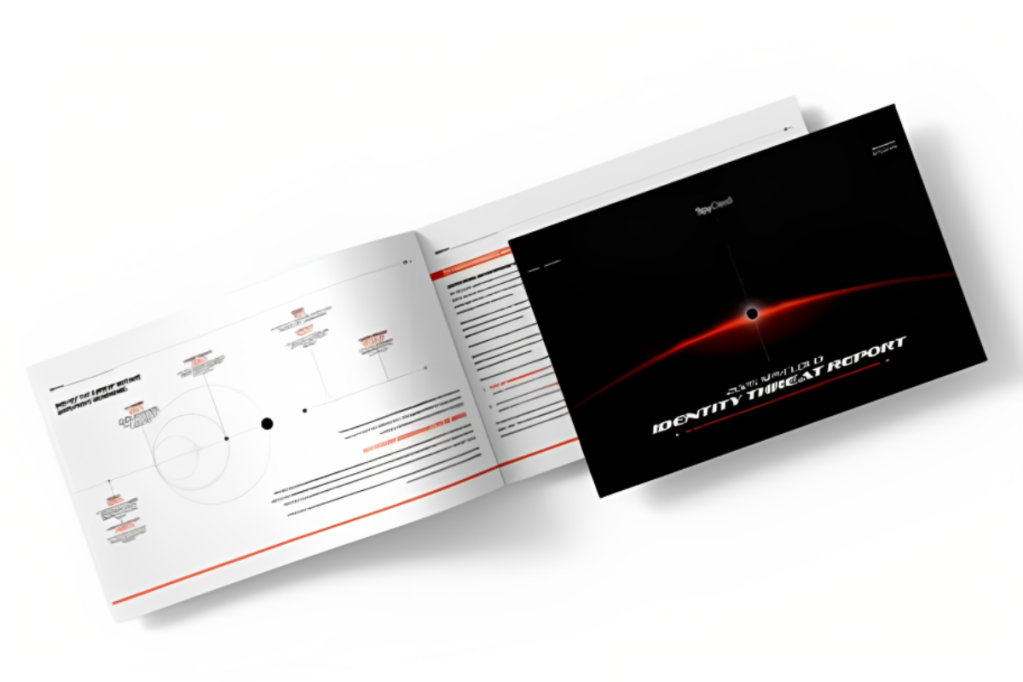
The 2025 SpyCloud Identity Threat Report reveals a troubling paradox: most security leaders, about 86%, feel confident in their capacity to prevent identity-based cyberattacks, yet 85% of organizations endured at least one ransomware incident last year, often multiple times. The report underscores how cybercriminals exploit expansive digital identities—comprising credentials, cookies, PII, and session tokens—stored across countless platforms and devices, creating a massive attack surface that organizations are ill-equipped to monitor or secure. Dark web data shows a 24% increase in stolen identity records year-over-year, providing criminals with an ever-growing pool of exploitable information. The report emphasizes that threat actors, including nation-states and insider threats, are increasingly leveraging stolen or synthetic identities—often obtained through phishing and malware—to bypass traditional defenses, evade detection, and orchestrate ransomware, account takeovers, and fraud. Despite heightened awareness, most organizations lack automated tools or comprehensive protocols for effective identity threat detection and remediation, leaving gaps that malicious actors readily exploit. The report advocates for a holistic, proactive approach—automating the identification and neutralization of exposed identities—to close these gaps and defend against evolving threats in the digital landscape.
Risks Involved
The 2025 SpyCloud Identity Threat Report reveals a troubling disconnect between organizational confidence and actual vulnerability to cyber risks, particularly those stemming from identity-based attacks. Despite 86% of security leaders expressing confidence in their defenses, 85% experienced ransomware incidents, with many facing multiple breaches annually. Identity sprawl, encompassing credentials, cookies, PII across myriad platforms and devices, has expanded the attack surface, with dark web data exposing over 63.8 billion identity records—up 24% year-over-year—making organizations increasingly susceptible to exploitation through phishing, credential reuse, and unmanaged device vulnerabilities. Insider threats, whether malicious or accidental, often originate from compromised identities, with nation-state actors leveraging stolen or synthetic identities to bypass traditional security measures. Current defenses are insufficient, as most organizations lack automated, comprehensive mechanisms for detecting, investigating, and remediating identity exposures, leaving critical gaps that cybercriminals exploit for persistent threats like ransomware, account takeovers, and fraud. To effectively combat these evolving threats, organizations must adopt holistic, continuous identity protection strategies that automate detection and response, thereby improving resilience against the expanding and sophisticated landscape of identity-related cyber risks.
Possible Next Steps
Addressing identity attack vulnerabilities promptly is vital in safeguarding organizational integrity and trust. Without timely remediation, the risk of severe data breaches, financial loss, and reputational damage significantly escalates, leaving organizations vulnerable to evolving threats.
Mitigation Strategies
- Implement multi-factor authentication (MFA) to bolster user verification processes.
- Conduct regular security audits and vulnerability assessments to identify weaknesses.
- Enhance employee training on cybersecurity best practices and awareness.
- Deploy advanced threat detection systems to monitor unusual activities.
- Establish incident response plans for rapid action in case of breach detection.
- Protect stored credentials through encryption and secure storage solutions.
- Limit access privileges based on role necessity to reduce attack surfaces.
- Collaborate with industry intelligence sharing platforms for updated threat insights.
- Enforce strong password policies and regular credential changes.
- Invest in identity verification tools that detect unauthorized activity promptly.
Continue Your Cyber Journey
Discover cutting-edge developments in Emerging Tech and industry Insights.
Access world-class cyber research and guidance from IEEE.
Disclaimer: The information provided may not always be accurate or up to date. Please do your own research, as the cybersecurity landscape evolves rapidly. Intended for secondary references purposes only.
Cyberattacks-V1
