

Fast Facts
- A ransomware attack targeted Collins Aerospace’s cMUSE passenger processing software, causing manual check-in at major European airports and delays, with no reported impact on flight safety.
- The incident, reported by RTX to the US SEC, involved systems operated independently (likely on-premises), but the specific breach vector remains unknown, raising concerns about supply chain security.
- Media reassurances emphasize that air safety was unaffected, yet the attack exposes vulnerabilities in airport software supply chains, potentially enabling broader disruptions or targeting military aerospace systems.
- The incident highlights the need for improved cybersecurity in critical infrastructure, especially for suppliers of aviation and military technology, to prevent similar events and understand attacker tactics.
Underlying Problem
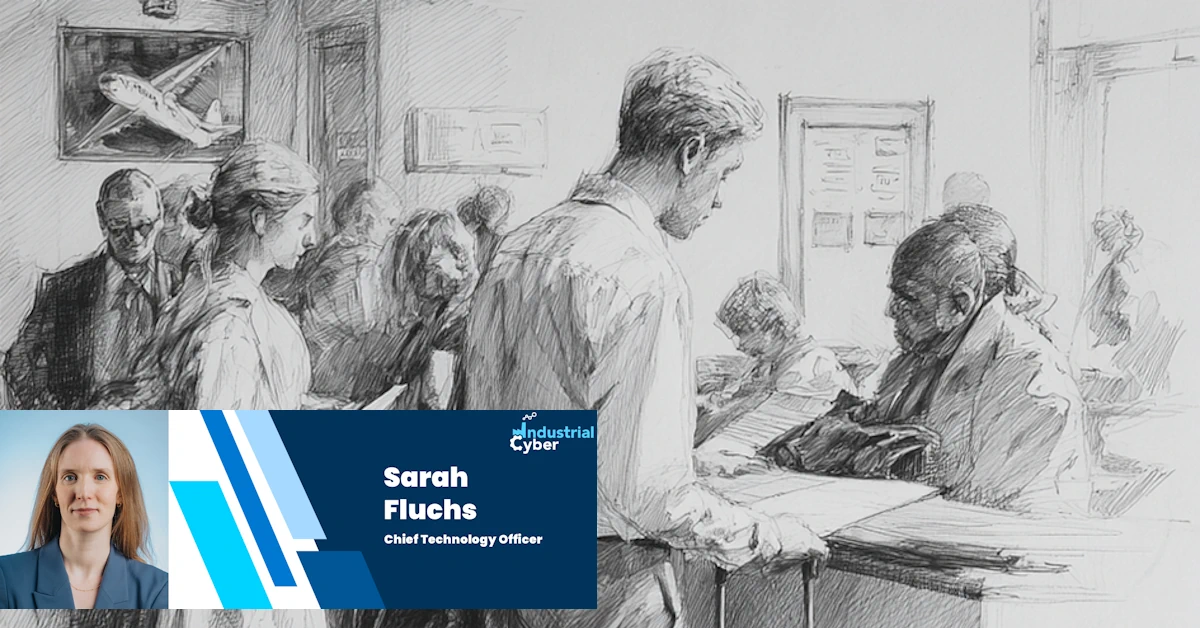
In September, Collins Aerospace, a prominent provider of passenger processing software, suffered a ransomware attack that had significant repercussions on airport operations across Berlin, Brussels, Dublin, and London. The incident, reported by Collins’ parent company RTX to the US Securities and Exchange Commission, involved malware infiltrating the company’s cMUSE software, which handles passenger check-in and baggage procedures. While the attack’s specifics remain largely undisclosed, the company indicated it was a ransomware breach with no expected financial impact on RTX. Critical questions center around how the malware infiltrated the support systems—primarily on-premises networks—raising concerns about the broader security of Collins’ other high-stakes aerospace systems, including navigation and military communications. Media reports have largely downplayed the incident’s impact on aviation safety, suggesting the airports merely experienced collateral disruption, but experts warn that a supply chain breach of this nature underscores vulnerabilities in aviation’s digital infrastructure and calls for heightened cybersecurity vigilance.
What’s at Stake?
The recent cybersecurity incident involving RTX subsidiary Collins Aerospace underscores the pervasive and complex risks associated with supply chain vulnerabilities in the aviation sector. The attack, identified as ransomware targeting Collins’ cMUSE passenger processing software—used across several airports—disrupted manual check-in procedures, causing delays, flight cancellations, and indirect impacts on airport operations. While official details remain scarce, the incident highlights the significant threat posed by cyberattacks on software providers that, through their interconnected systems, can compromise critical airport functions indirectly. Such incidents exemplify the high-stakes nature of product security in aerospace, where breaches—regardless of their apparent scope—raise questions about underlying vulnerabilities and the potential for broader exploitation of aerospace control systems. This event emphasizes the importance of rigorous cybersecurity protocols, supply chain oversight, and incident response strategies, as attackers may target less obvious pathways to access sensitive infrastructure, with repercussions that could extend beyond commercial delays to threaten safety and operational integrity in the broader aerospace ecosystem.
Fix & Mitigation
Understanding the critical importance of timely remediation in the wake of a cyberattack on a software product is essential, as delays can lead to widespread operational disruptions, financial losses, and compromised safety within the aviation sector. Rapid response can minimize damage, restore services, and protect sensitive data, ultimately ensuring the resilience and security of airport operations.
Immediate containment:
Isolate affected systems promptly to prevent further spread of malware or intrusion.
Incident assessment:
Conduct a swift investigation to determine the scope, entry points, and exploited vulnerabilities.
Communication:
Inform all stakeholders—including airport staff, cybersecurity teams, and authorities—regarding the breach and ongoing response efforts.
Emergency patching:
Apply security patches or updates to address known vulnerabilities exposed during the attack.
System restoration:
Carefully recover and verify backup data to ensure systems are free of malicious code before resuming operations.
Enhanced monitoring:
Implement heightened real-time monitoring to detect any residual or subsequent malicious activity.
Strengthening defenses:
Update security protocols, strengthen firewalls, and improve intrusion detection systems to prevent future attacks.
Post-incident review:
Analyze the attack to identify lessons learned and refine cybersecurity policies, response strategies, and employee training.
Advance Your Cyber Knowledge
Discover cutting-edge developments in Emerging Tech and industry Insights.
Access world-class cyber research and guidance from IEEE.
Disclaimer: The information provided may not always be accurate or up to date. Please do your own research, as the cybersecurity landscape evolves rapidly. Intended for secondary references purposes only.
Cyberattacks-V1
