

Summary Points
- The European Council sanctioned three companies—two in China and one in Iran—for involvement in cyberattacks, freezing assets and restricting travel within the EU.
- Chinese company Integrity Technology Group and Iran’s Emennet Pasargad have been linked to extensive cyber operations, including device compromises and disinformation campaigns.
- Countries like China, Iran, Russia, Israel, and the US covertly leverage private companies for cyberwarfare, often exploiting their legitimacy for plausible deniability and operational ease.
- Sanctions can hinder legitimate companies by affecting partnerships and funding, but have limited impact on covert or shell organizations like iSoon, which can continue operations under the radar.
EU Imposes Sanctions on Companies in China and Iran
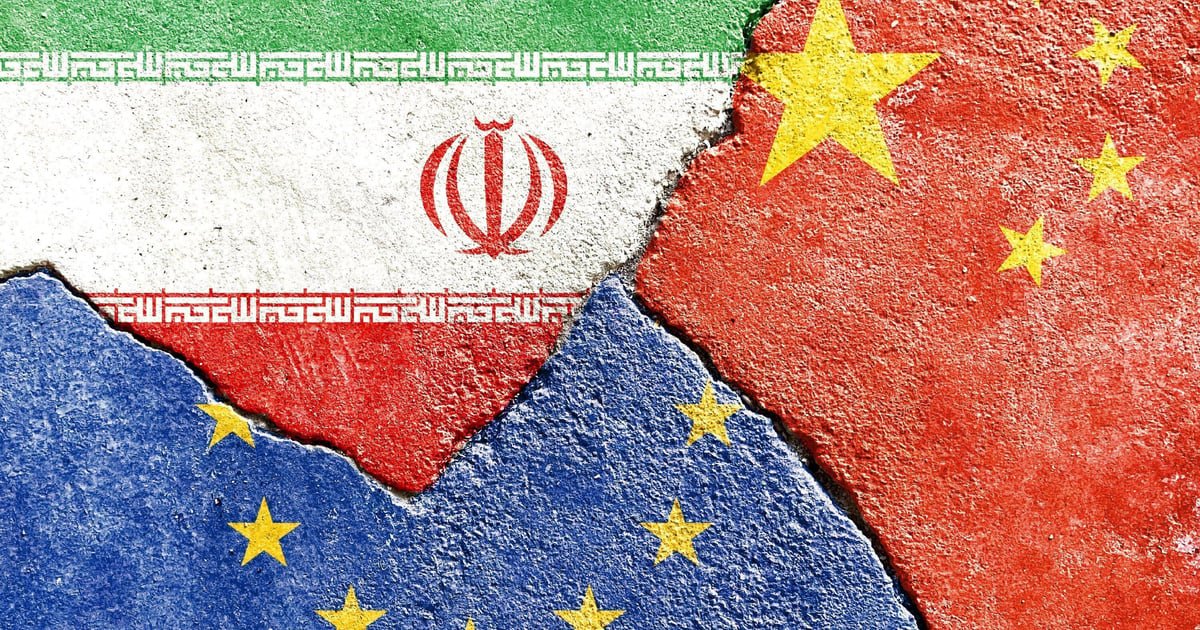
Recently, the European Union (EU) took strong action against three companies. They imposed sanctions because these firms helped carry out cyberattacks across European countries. Two of the companies are based in China, and one in Iran. The EU’s move aims to stop these companies from doing further harm. As a result, these companies can no longer do business in the EU. Their assets in Europe will be frozen, and the company leaders cannot travel to EU countries. This step follows similar measures taken by the US and UK, creating a broad effort to fight cyber threats.
The Chinese company called Integrity Technology Group was found to supply tools that hackers used to attack devices in Europe. Between 2022 and 2023, it was linked to 65,000 compromised devices across six EU countries. Another Chinese firm, Anxun Information Technology, also known as “iSoon,” is notorious for working as a hacking-for-hire group. Although it claims to offer cybersecurity training, evidence shows it has worked for China’s government and military. The company’s founders are now also under sanctions. The Iranian company, called Emenet Pasargad, was punished for hacking a Swedish SMS service, leaking data in France, and spreading false information during the 2024 Paris Olympics.
How Do Countries Use Companies for Cyberattacks?
Many countries, including China and Iran, use private companies to support cyberattacks. This practice helps nations hide their involvement and protect their officials. Besides China and Iran, other nations like Russia, Israel, and even the US have been known to do the same. Experts explain that these private firms act as “force multipliers” for government operations. They develop the tools, infrastructure, and skills needed for cyberattacks, often with less risk for the government.
China’s military has built close ties to private companies and universities since the 1990s to support cyber efforts. Iran took a different path, especially after the discovery of the Stuxnet virus, which showed how cyber tools could cause real physical damage. Iranian hackers then started building professional careers, forming companies, training staff, and working closely with the country’s intelligence and military agencies. Running cyber operations through private firms makes it easier to recruit talent and buy equipment globally. It also makes it harder for law enforcement to find the true source of attacks. Overall, this approach helps nations enhance their cyber capabilities while maintaining plausible deniability and making it more difficult to link malicious activities to the state.
Stay Ahead with the Latest Tech Trends
Learn how the Internet of Things (IoT) is transforming everyday life.
Explore past and present digital transformations on the Internet Archive.
CyberRisk-V1
