
Close Menu
  • Home
  • Cybercrime and Ransomware
  • Emerging Tech
  • Threat Intelligence
  • Expert Insights
  • Careers and Learning
  • Compliance

Subscribe to Updates

Subscribe to our newsletter and never miss our latest news

Subscribe my Newsletter for New Posts & tips Let's stay updated!

What's Hot

Exchange flaw enables mailbox access via authenticated exploits

October 5, 2026

AI-discovered zero-day exploits challenge cybersecurity defenses

October 5, 2026

Apple Tightens macOS Access, Risks Data Exploitation by Threat Actors

October 5, 2026
Facebook X (Twitter) Instagram
The CISO Brief
  • Home
  • Cybercrime and Ransomware
  • Emerging Tech
  • Threat Intelligence
  • Expert Insights
  • Careers and Learning
  • Compliance
Home » BlueNoroff’s Fake Zoom Calls Trap Victims in Cyberattacks
Compliance

BlueNoroff’s Fake Zoom Calls Trap Victims in Cyberattacks

Staff WriterBy Staff WriterApril 28, 2026No Comments2 Mins Read5 Views
Facebook Twitter Pinterest LinkedIn Tumblr Email
Share
Facebook Twitter LinkedIn Pinterest WhatsApp Email

Quick Takeaways

  1. North Korea’s BlueNoroff hacking group is targeting cryptocurrency professionals using fake Zoom meetings with AI-generated avatars and stolen video footage to trick victims into malware installation.
  2. They steal webcam footage of victims to create highly realistic fake meetings, with up to 100 individuals’ images, including many CEOs and finance sector leaders, to enhance deception.
  3. The attacks start with legitimate-looking calendar invites and escalate quickly, with malware being installed within minutes of the victim clicking a malicious prompt during the fake meeting.
  4. The campaign employs a continuous infrastructure of typo-squatted domains and AI-generated deepfake content to sustain ongoing, large-scale social engineering operations targeting crypto assets.

Fake Zoom Calls Used as Lures by North Korean Hackers

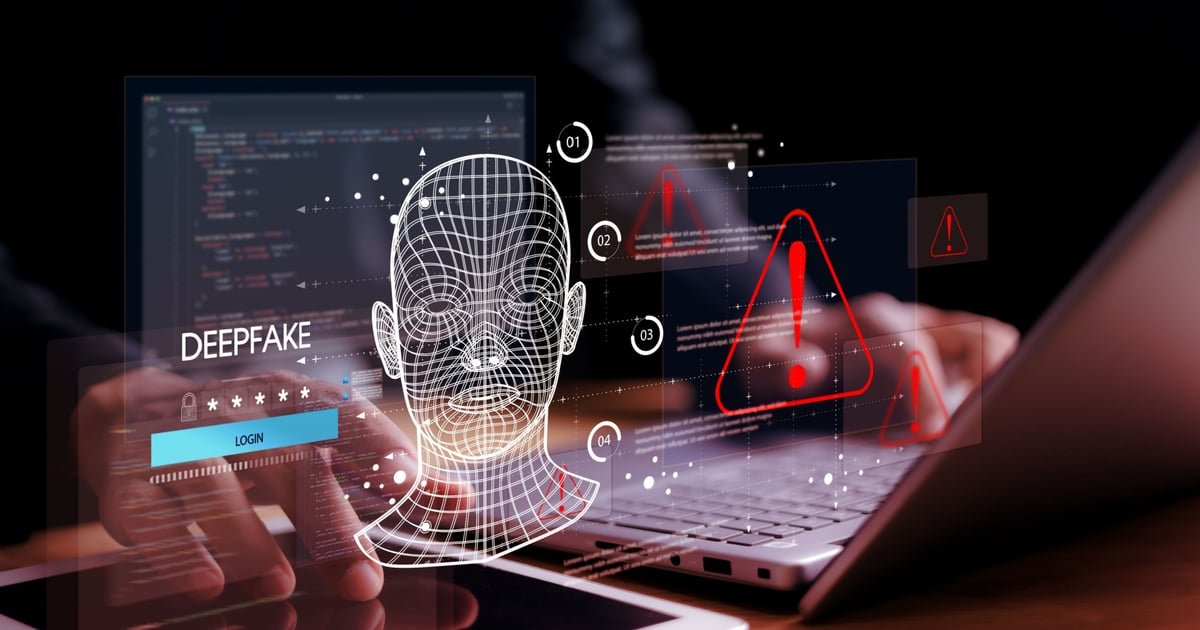
North Korea’s BlueNoroff group is now using a new trick to target people involved with cryptocurrencies. They create fake Zoom meetings that look very real. These meetings include avatars and videos stolen from real people. The hackers send these links to victims, pretending to be trusted contacts. When someone clicks, they are led to a fake Zoom lobby. This lobby looks so convincing that victims may think it’s genuine. Once the victim joins, the hackers can secretly watch through the webcam and install harmful software. This quick process turns a simple click into a full system compromise in just minutes.

Widespread and Clever Use of Fake Content to Trick Victims

The hackers steal photos and videos of at least 100 people, many of them leaders in crypto companies. Nearly half of the victims are top executives. The group mainly targets those with access to cryptocurrency funds. They use AI to generate fake meeting participants that look very real. These fake meetings become more believable with moving videos and realistic voices. The hackers also run a “deepfake pipeline,” mixing stolen footage with AI-created images. They have set up many fake domains that mimic Zoom and Teams. This extensive setup shows that the group works steadily, reaching multiple organizations at once. Experts advise employees to double-check meeting requests and keep webcams secure. Security teams should watch for suspicious activities, such as unusual clipboard or browser access.

Discover More Technology Insights

Dive deeper into the world of Cryptocurrency and its impact on global finance.

Discover archived knowledge and digital history on the Internet Archive.

CyberRisk-V1

Share. Facebook Twitter Pinterest LinkedIn Tumblr Email
Previous ArticleUnlocking the Hidden Barrier in Zero Trust: Securing Data Movement
Next Article AI Failures in Datadog Caused by Capacity Limits
Avatar photo
Staff Writer
  • Website

John Marcelli is a staff writer for the CISO Brief, with a passion for exploring and writing about the ever-evolving world of technology. From emerging trends to in-depth reviews of the latest gadgets, John stays at the forefront of innovation, delivering engaging content that informs and inspires readers. When he's not writing, he enjoys experimenting with new tech tools and diving into the digital landscape.

Related Posts

RemoteThreat: Betting on Post-Breach Security Tests

October 2, 2026

Is Your Organization Prepared for 2027’s AI Accountability Era?

October 2, 2026

Warlock Ransomware Strikes Major Spanish and Portuguese Organizations

October 1, 2026

Comments are closed.

Latest Posts

Malicious Servers Divide Instructions to Force AI Agents to Leak Secrets

October 4, 2026

DeadLock Ransomware Escalates Threats by Exploiting Polygon Smart Contracts

October 1, 2026

Kimwolf v7 Android Botnet: Cloaking DDoS Traffic as Legitimate Browsing

September 28, 2026

Attackers Exploit SharePoint Authentication Bypass Post-PoC Release

September 25, 2026
Don't Miss

RemoteThreat: Betting on Post-Breach Security Tests

By Staff WriterOctober 2, 2026

Fast Facts RemoteThreat, co-founded by Chris Thompson, is an offensive cyber platform leveraging AI to…

Is Your Organization Prepared for 2027’s AI Accountability Era?

October 2, 2026

Warlock Ransomware Strikes Major Spanish and Portuguese Organizations

October 1, 2026

Subscribe to Updates

Subscribe to our newsletter and never miss our latest news

Subscribe my Newsletter for New Posts & tips Let's stay updated!

Recent Posts

  • Exchange flaw enables mailbox access via authenticated exploits
  • AI-discovered zero-day exploits challenge cybersecurity defenses
  • Apple Tightens macOS Access, Risks Data Exploitation by Threat Actors
  • Rejetto HFS flaw enables admin session hijacking, RCE
  • Unlocking the Future of Cybersecurity: Key Takeaways from 2026 Digital Defense Insights
About Us
About Us

Welcome to The CISO Brief, your trusted source for the latest news, expert insights, and developments in the cybersecurity world.

In today’s rapidly evolving digital landscape, staying informed about cyber threats, innovations, and industry trends is critical for professionals and organizations alike. At The CISO Brief, we are committed to providing timely, accurate, and insightful content that helps security leaders navigate the complexities of cybersecurity.

Facebook X (Twitter) Pinterest YouTube WhatsApp
Our Picks

Exchange flaw enables mailbox access via authenticated exploits

October 5, 2026

AI-discovered zero-day exploits challenge cybersecurity defenses

October 5, 2026

Apple Tightens macOS Access, Risks Data Exploitation by Threat Actors

October 5, 2026
Most Popular

Gefährliche Angriffe: Wie Cyberkriminelle Ihre Identität angreifen

January 29, 2026253 Views

CISA Alerts: Critical Vulnerability in Splunk Enterprise Under Active Attack

June 19, 2026214 Views

Salesforce Disables Klue App After Data Breach from Token Abuse

June 19, 2026210 Views

Archives

  • October 2026
  • September 2026
  • August 2026
  • July 2026
  • June 2026
  • May 2026
  • April 2026
  • March 2026
  • February 2026
  • January 2026
  • December 2025
  • November 2025
  • October 2025
  • September 2025
  • August 2025
  • July 2025
  • June 2025

Categories

  • Compliance
  • Cyber Updates
  • Cybercrime and Ransomware
  • Editor's pick
  • Emerging Tech
  • Events
  • Featured
  • Insights
  • Most Read
  • Threat Intelligence
  • Uncategorized
© 2026 thecisobrief. Designed by thecisobrief.
  • Home
  • About Us
  • Advertise with Us
  • Contact Us
  • DMCA
  • Privacy Policy
  • Terms & Conditions

Type above and press Enter to search. Press Esc to cancel.