

Summary Points
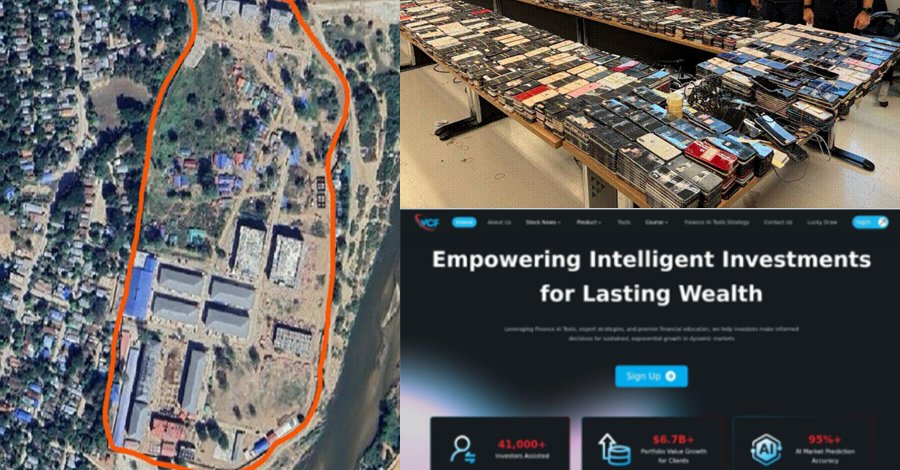
- An international law enforcement operation arrested 276 suspects and shut down nine scam centers involved in crypto fraud targeting Americans, recovering over $701 million in cryptocurrencies.
- The schemes involved long-term romance baiting, cryptocurrency investment scams, human trafficking, and the laundering of victims’ funds through fake platforms and coercive labor conditions.
- Two Chinese nationals were charged with running a large crypto scam in Myanmar and Cambodia, where trafficked victims were forced to defraud others, with authorities seizing assets and uncovering malicious malware infrastructure.
- The U.S. launched Operation Atlantic, seizing $12 million through "approval phishing" scams, targeting over 20,000 victims across 30 countries, supported by new cybersecurity initiatives for digital asset industry protection.
Global Law Enforcement Actions Disrupt Crypto Scams
Recently, a major international effort led to the arrest of 276 suspects involved in cryptocurrency scams. Authorities shut down nine scam centers mainly targeting Americans, seizing around $701 million in assets. The operation was coordinated by Dubai Police, in partnership with the FBI and Chinese security agencies. Key figures from Myanmar and Indonesia were also detained, highlighting the global reach of these schemes. The arrests aim to prevent further financial losses for victims and dismantle organized crime networks.
This crackdown revealed how fraud groups operate several fake companies, such as Ko Thet Company, Sanduo Group, and Giant Company. They trick victims into investing in fake cryptocurrencies, often by building trust through dishonest relationships. Once victims transfer their money, the scammers launder the assets through various accounts, including some controlled by the criminals. Since January 2024, the FBI’s Operation Level Up has informed nearly 9,000 victims and protected an estimated $562 million, showing the importance of proactive law enforcement initiatives.
Broader Efforts to Combat Cybercrime and Human Trafficking
Alongside arrests, authorities targeted the infrastructure that supports these scams. They seized a Telegram channel with over 6,500 followers used to recruit victims and victims’ trafficked individuals forced to run scams under threat of violence. Additionally, a Cambodian senator and several associated businesses face sanctions for operating scam centers from locations like casinos and office parks. This crackdown also uncovered malware that enables real-time surveillance and financial fraud, stretching across Southeast Asia and into Africa and Latin America.
Meanwhile, the U.S. continues to adapt its strategies. Recent operations have frozen about $12 million linked to “approval phishing,” where victims unknowingly authorize scammers to drain their crypto wallets. Over 20,000 victims across 30 countries have been identified, with authorities confiscating dozens of domains used for these schemes. These combined efforts aim not only to punish wrongdoers but also to develop stronger defenses for the digital economy by sharing cybersecurity intelligence with industry partners.
Discover More Technology Insights
Stay informed on the revolutionary breakthroughs in Quantum Computing research.
Stay inspired by the vast knowledge available on Wikipedia.
DataProtection-V1
