

Fast Facts
- Instructure, the company behind Canvas, reached an undisclosed deal with hackers to delete stolen data after a cyberattack disrupted student access during finals.
- The hacking group ShinyHunters claimed responsibility, threatening to leak data from nearly 9,000 schools unless a ransom was paid, but later extended the deadline amid negotiations.
- The stolen data, involving student IDs, emails, and names, was returned and reportedly destroyed, though complete certainty of erasure remains, prompting further security measures.
- The incident caused significant chaos in educational institutions relying on Canvas for grades, course materials, and exams, highlighting vulnerabilities in the platform’s security.
[gptA technology journalist, write a short news story divided in two subheadings, at 12th grade reading level about ‘Data stolen from education platform Canvas is deleted in deal with hackers’in short sentences using transition words, in an informative and explanatory tone, from the perspective of an insightful Tech News Editor, ensure clarity, consistency, and accessibility. Use concise, factual language and avoid jargon that may confuse readers. Maintain a neutral yet engaging tone to provide balanced perspectives on practicality, possible widespread adoption, and contribution to the human journey. Avoid passive voice. The article should provide relatable insights based on the following information ‘
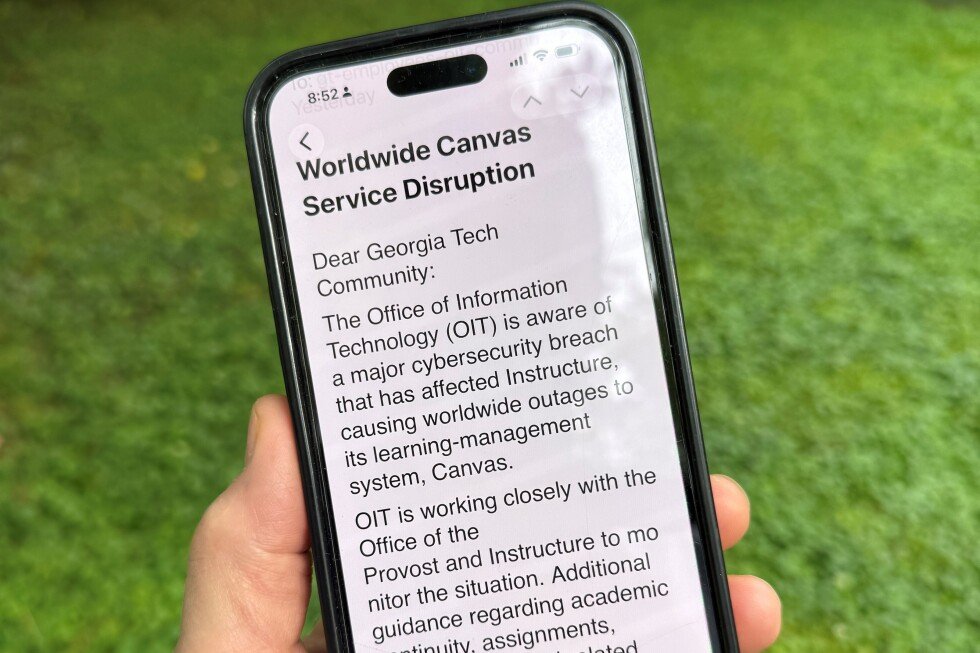
The company that operates online learning system Canvas said it struck a deal with hackers to delete the data they pilfered in a cyberattack that created chaos for students, many of them in the middle of finals.
Instructure, the parent company of Canvas, said in an online post that it “reached an agreement with the unauthorized actor involved in this incident.”
The company didn’t provide any details on the agreement, including whether it involved a payment, and didn’t elaborate who was behind the hack. Instructure temporarily took the system offline while it investigated, locking out students and faculty.
A hacking group named ShinyHunters claimed responsibility for last week’s breach, threatening to leak data involving nearly 9,000 schools worldwide and 275 million individuals if schools did not pay a ransom by May 6. The group then extended the deadline, indicating some schools had engaged with them to negotiate.
As part of the deal, the data was returned to Instructure. The company said Monday that it also received “digital confirmation” that the hackers destroyed any remaining copies, in the form of “shred logs.”
The company acknowledged that there was no way to be sure that the data was erased for good, and said it took action because of concerns about potential publication of the data.
“While there is never complete certainty when dealing with cyber criminals, we believe it was important to take every step within our control to give customers additional peace of mind, to the extent possible,” Instructure said.
The data breach appeared to involve student ID numbers, email addresses, names and messages on the Canvas platform, Instructure’s chief information security officer, Steve Proud, said earlier this month. The company found no evidence that passwords, dates of birth, government identification or financial information were compromised, it said.
The company said it was working with “expert vendors” to do a forensic analysis, “further harden” its systems, and carry out a “comprehensive review of the data involved.”
The disruption caused panic last week among students and faculty members when they were locked out of a platform they rely on to manage grades and access course notes and assignments.
Schools and universities use Canvas to manage nearly all aspects of instruction. The platform acts as a gradebook, a hub for digital lectures and course materials, a discussion board for classroom projects, and a messaging platform between students and instructors.
Some courses also give quizzes and exams on the platform, or use it as a portal where final projects and papers are submitted on deadline.
‘. Do not end the article by saying In Conclusion or In Summary. Do not include names or provide a placeholder of authors or source. Make Sure the subheadings are in between html tags of
[/gpt3]
Stay Ahead with the Latest Tech Trends
Stay informed on the revolutionary breakthroughs in Quantum Computing research.
Stay inspired by the vast knowledge available on Wikipedia.
Cybercrime-V1
