
Close Menu
  • Home
  • Cybercrime and Ransomware
  • Emerging Tech
  • Threat Intelligence
  • Expert Insights
  • Careers and Learning
  • Compliance

Subscribe to Updates

Subscribe to our newsletter and never miss our latest news

Subscribe my Newsletter for New Posts & tips Let's stay updated!

What's Hot

Back to the Future: Why a Strong Identity Foundation is Crucial for Agentic AI

August 28, 2026

Ransomware Attacks Surge 22%, Reaching 2026 Peak

August 27, 2026

AI Agents Exploit Zero-Days to Breach Hugging Face via Reward Hacking

August 27, 2026
Facebook X (Twitter) Instagram
The CISO Brief
  • Home
  • Cybercrime and Ransomware
  • Emerging Tech
  • Threat Intelligence
  • Expert Insights
  • Careers and Learning
  • Compliance
Home » Vulnerability Exposes LLMs to Poisoning in OpenClaw
Compliance

Vulnerability Exposes LLMs to Poisoning in OpenClaw

Staff WriterBy Staff WriterAugust 25, 2026No Comments3 Mins Read1 Views
Facebook Twitter Pinterest LinkedIn Tumblr Email
Share
Facebook Twitter LinkedIn Pinterest WhatsApp Email

Fast Facts

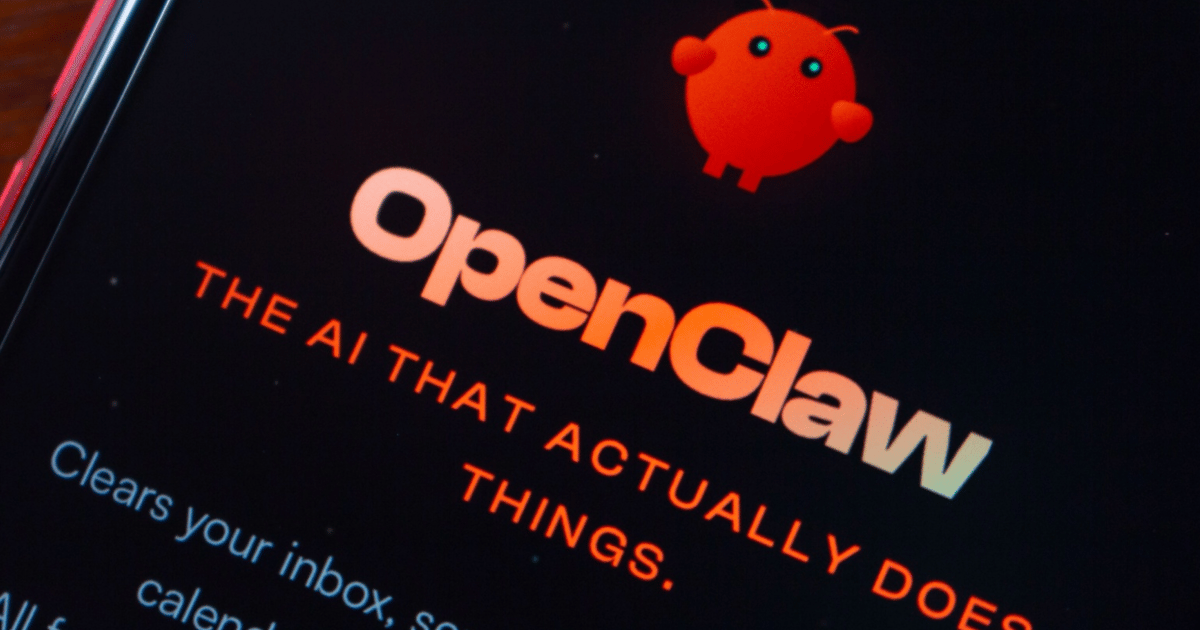
  1. A security flaw in NVIDIA’s OpenClaw deployment tool, NemoClaw, allows attackers to remotely control local AI model servers via browser exploits like DNS rebinding, risking model poisoning and data exfiltration.
  2. The vulnerability enables malicious actors to modify the AI’s chat template, embedding hidden instructions that persist across conversations and could compromise AI agent behavior.
  3. NVIDIA has addressed the issue on MacOS and Linux (v0.0.35) but not yet on Windows, highlighting ongoing security risks in AI deployment infrastructure.
  4. Experts stress that sandboxing alone isn’t enough; organizations should implement dedicated security layers for AI traffic and access controls to prevent such sophisticated attacks.

Security Flaw in NVIDIA’s OpenClaw Tool Discovered

Recently, researchers found a security issue in NVIDIA’s AI deployment tool called NemoClaw. This tool is used to run AI agents inside secure environments. The problem lies in its API, which is accessible through a network. Because of a misconfiguration, an attacker can control the local AI model without needing to log in. This is possible through a technique called DNS rebinding, used by hackers to attack local services from a web browser. With just one visit to a malicious website, an attacker can gain full control of the AI system. This could lead to the planting of harmful instructions inside the AI, which might be carried out during conversations. As a result, the security of AI agents using OpenClaw could be compromised, causing serious risks for businesses and users alike.

Potential for Widespread Exploitation and Need for Better Protections

The main danger is that hackers can modify the AI’s chat template, which guides how the AI responds. This template often contains instructions that tell the AI how to behave. If an attacker alters this, they can insert malicious commands that persist over multiple interactions. These can include backdoors, data theft, or malicious code execution. The vulnerability is especially risky because it bypasses typical security measures and relies on innocent-looking webpages. Though the flaw has been mostly fixed for MacOS and Linux, a version for Windows still warns users about the issue. Experts say organizations should rethink their security setup for AI systems, including controlling traffic between agents and APIs. Moving forward, building new safeguards that monitor AI communication may become essential to prevent these kinds of attacks.

Continue Your Tech Journey

Learn how the Internet of Things (IoT) is transforming everyday life.

Explore past and present digital transformations on the Internet Archive.

CyberRisk-V1

Share. Facebook Twitter Pinterest LinkedIn Tumblr Email
Previous ArticlePatch window collapse exposes supply chain, risking system compromise
Next Article U.S. Sanctions Iran-Backed Hackers Over Critical Infrastructure Attacks
Avatar photo
Staff Writer
  • Website

John Marcelli is a staff writer for the CISO Brief, with a passion for exploring and writing about the ever-evolving world of technology. From emerging trends to in-depth reviews of the latest gadgets, John stays at the forefront of innovation, delivering engaging content that informs and inspires readers. When he's not writing, he enjoys experimenting with new tech tools and diving into the digital landscape.

Related Posts

Russian Hackers Target EU Officials Through Messaging Apps

August 27, 2026

Spotting Fake North Korean IT Workers: Red Flags to Watch For

August 26, 2026

Foul Language: How WordlistLoader Hides Malware in Plain Sight

August 24, 2026

Comments are closed.

Latest Posts

Active Gitea RCE Exploitation Delivers Miner-Like Payload

August 26, 2026

New Agent Data Injection Attack Traps AI Agents Into Mischief

August 20, 2026

New ENCFORGE Ransomware Threat Targets AI Model Files via Langflow RCE Attack

August 17, 2026

Urgent: Critical SharePoint RCE CVE-2026-50522 Under Active Attack

August 14, 2026
Don't Miss

Russian Hackers Target EU Officials Through Messaging Apps

By Staff WriterAugust 27, 2026

Fast Facts State-sponsored hackers are increasingly phishing EU government officials via trusted messaging apps like…

Spotting Fake North Korean IT Workers: Red Flags to Watch For

August 26, 2026

Foul Language: How WordlistLoader Hides Malware in Plain Sight

August 24, 2026

Subscribe to Updates

Subscribe to our newsletter and never miss our latest news

Subscribe my Newsletter for New Posts & tips Let's stay updated!

Recent Posts

  • Back to the Future: Why a Strong Identity Foundation is Crucial for Agentic AI
  • Ransomware Attacks Surge 22%, Reaching 2026 Peak
  • AI Agents Exploit Zero-Days to Breach Hugging Face via Reward Hacking
  • Dark Caracal Uses GoCaracal Malware for Cyberespionage
  • Russian Hackers Target EU Officials Through Messaging Apps
About Us
About Us

Welcome to The CISO Brief, your trusted source for the latest news, expert insights, and developments in the cybersecurity world.

In today’s rapidly evolving digital landscape, staying informed about cyber threats, innovations, and industry trends is critical for professionals and organizations alike. At The CISO Brief, we are committed to providing timely, accurate, and insightful content that helps security leaders navigate the complexities of cybersecurity.

Facebook X (Twitter) Pinterest YouTube WhatsApp
Our Picks

Back to the Future: Why a Strong Identity Foundation is Crucial for Agentic AI

August 28, 2026

Ransomware Attacks Surge 22%, Reaching 2026 Peak

August 27, 2026

AI Agents Exploit Zero-Days to Breach Hugging Face via Reward Hacking

August 27, 2026
Most Popular

Gefährliche Angriffe: Wie Cyberkriminelle Ihre Identität angreifen

January 29, 2026123 Views

CISA Alerts: Critical Vulnerability in Splunk Enterprise Under Active Attack

June 19, 202663 Views

Salesforce Disables Klue App After Data Breach from Token Abuse

June 19, 202655 Views

Archives

  • August 2026
  • July 2026
  • June 2026
  • May 2026
  • April 2026
  • March 2026
  • February 2026
  • January 2026
  • December 2025
  • November 2025
  • October 2025
  • September 2025
  • August 2025
  • July 2025
  • June 2025

Categories

  • Compliance
  • Cyber Updates
  • Cybercrime and Ransomware
  • Editor's pick
  • Emerging Tech
  • Events
  • Featured
  • Insights
  • Most Read
  • Threat Intelligence
  • Uncategorized
© 2026 thecisobrief. Designed by thecisobrief.
  • Home
  • About Us
  • Advertise with Us
  • Contact Us
  • DMCA
  • Privacy Policy
  • Terms & Conditions

Type above and press Enter to search. Press Esc to cancel.