
Close Menu
  • Home
  • Cybercrime and Ransomware
  • Emerging Tech
  • Threat Intelligence
  • Expert Insights
  • Careers and Learning
  • Compliance

Subscribe to Updates

Subscribe to our newsletter and never miss our latest news

Subscribe my Newsletter for New Posts & tips Let's stay updated!

What's Hot

Windchill Web Shell Exposes Credentials and Maps Engineering Data

September 7, 2026

PEEP Weaponizes Chrome, Edge for Post-Compromise Backdoors

September 7, 2026

Executives targeted by fake IT calls exploiting Microsoft 365 vulnerabilities

September 7, 2026
Facebook X (Twitter) Instagram
The CISO Brief
  • Home
  • Cybercrime and Ransomware
  • Emerging Tech
  • Threat Intelligence
  • Expert Insights
  • Careers and Learning
  • Compliance
Home » Windchill Web Shell Exposes Credentials and Maps Engineering Data
Cybercrime and Ransomware

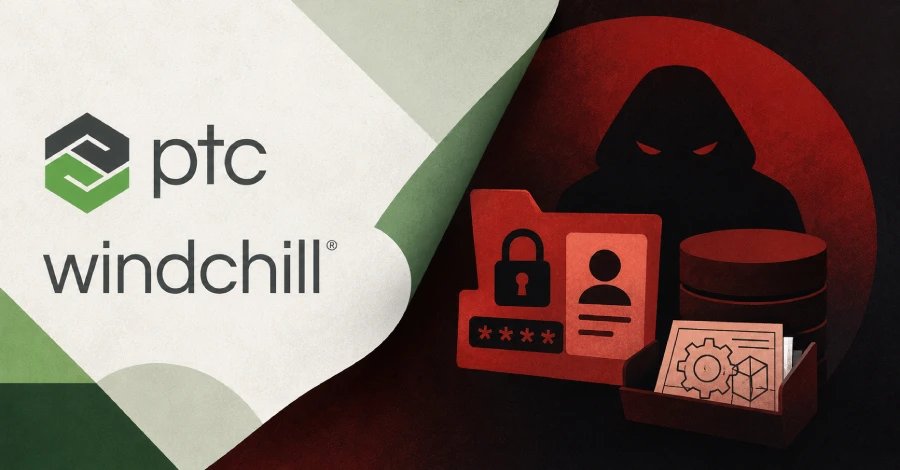
Windchill Web Shell Exposes Credentials and Maps Engineering Data

Staff WriterBy Staff WriterSeptember 7, 2026No Comments3 Mins Read0 Views
Facebook Twitter Pinterest LinkedIn Tumblr Email
Share
Facebook Twitter LinkedIn Pinterest WhatsApp Email

Top Highlights

  1. A tailored JavaServer Pages web shell, linked to Clop ransomware, was deployed on vulnerable Windchill and FlexPLM servers, enabling extensive data theft and post-exploitation activities.
  2. The web shell decrypts credential data, maps sensitive files, and supports various commands for system info, file management, and credential exfiltration, all designed for stealth and efficiency.
  3. It acts as an sophisticated implant that bypasses detection by blending into normal Windchill traffic, conducting application-specific discovery, and executing commands within the application’s trust boundary.
  4. This development underscores Clop’s ongoing use of custom web shells for mass exploitation, exploiting known vulnerabilities to access proprietary enterprise data and maintain persistent control.

Clop-Linked Web Shell Uses Advanced Techniques to Steal Sensitive Data

Recently, cybersecurity researchers uncovered a dangerous web shell targeting PTC Windchill and FlexPLM servers. This web shell, linked to the Clop ransomware group, is more than a simple tool. It is a fully equipped platform designed for sneaky data theft. Once deployed, it can decrypt credentials stored in the system’s keystore and map important engineering data. The web shell also runs additional code through a custom Java loader, transforming it into a backdoor that gives attackers remote access. Unlike typical lightweight web shells, this one is specifically tailored for the targeted software. It exploits a critical security flaw (CVE-2026-12569), which allows the attacker to send malicious requests and execute arbitrary code. After gaining access, the web shell can retrieve vital credentials, including those for the organization’s LDAP directory. This information can be used to access other systems within the network, increasing the potential damage. Researchers warn that the web shell supports various commands, enabling attackers to fetch credentials, check system status, download files, and run malicious code—all from within the compromised application. Because it mimics normal application activity, it can evade traditional detection methods. The web shell’s capability to run in-memory payloads makes it especially dangerous, as attackers can deploy additional malware or maintain persistent access without raising suspicion. This sophisticated approach underscores the importance for organizations to quickly patch vulnerabilities and monitor for unusual activity.

The Impact of Custom Web Shells on Enterprise Data Security

The targeted applications, used to store sensitive engineering and product design data, make this web shell particularly concerning. When successfully exploited, attackers can access proprietary information and credentials that help them move laterally across networks. This could lead to widespread data theft or even ransomware attacks. The web shell is highly aware of the application’s infrastructure, including APIs, databases, and security keys. It uses this knowledge to quickly move from gaining initial access to stealing critical data. This efficiency leaves little room for defenders to detect the malicious activity. Notably, one simple command, labeled “S,” can reveal administrative credentials—such as passwords and keys—in clear text. These credentials often guard access to enterprise systems like email, VPNs, and directory services. Their exposure could allow hackers to take control of multiple systems, expanding their reach and making recovery more difficult. Security experts emphasize that this tool’s design minimizes the need for external malware or commands, allowing attackers to operate entirely within the application’s trusted environment. Overall, this incident highlights the ongoing threat posed by bespoke web shells, which are tailored to exploit specific vulnerabilities and evade traditional security measures. For organizations, it is a stark reminder to reinforce patching routines and refine detection strategies against such advanced threats.

Continue Your Tech Journey

Learn how the Internet of Things (IoT) is transforming everyday life.

Stay inspired by the vast knowledge available on Wikipedia.

CyberAttacks-V1

Share. Facebook Twitter Pinterest LinkedIn Tumblr Email
Previous ArticlePEEP Weaponizes Chrome, Edge for Post-Compromise Backdoors
Avatar photo
Staff Writer
  • Website

John Marcelli is a staff writer for the CISO Brief, with a passion for exploring and writing about the ever-evolving world of technology. From emerging trends to in-depth reviews of the latest gadgets, John stays at the forefront of innovation, delivering engaging content that informs and inspires readers. When he's not writing, he enjoys experimenting with new tech tools and diving into the digital landscape.

Related Posts

SilkParasite Espionage Campaign Launches Five New RATs Against Central Asian Governments

September 4, 2026

Operation QUICSILVER Strikes Myanmar Government and IT with Backdoor Attack

September 1, 2026

Mirage2FA Surge: 4,500 US & EU Companies Under Attack via Microsoft 365 Logins

August 29, 2026

Comments are closed.

Latest Posts

Windchill Web Shell Exposes Credentials and Maps Engineering Data

September 7, 2026

SilkParasite Espionage Campaign Launches Five New RATs Against Central Asian Governments

September 4, 2026

Operation QUICSILVER Strikes Myanmar Government and IT with Backdoor Attack

September 1, 2026

Mirage2FA Surge: 4,500 US & EU Companies Under Attack via Microsoft 365 Logins

August 29, 2026
Don't Miss

SilkParasite Espionage Campaign Launches Five New RATs Against Central Asian Governments

By Staff WriterSeptember 4, 2026

Summary Points SilkParasite is a China-linked cyber espionage operation targeting Central Asian governments, using sophisticated…

Operation QUICSILVER Strikes Myanmar Government and IT with Backdoor Attack

September 1, 2026

Mirage2FA Surge: 4,500 US & EU Companies Under Attack via Microsoft 365 Logins

August 29, 2026

Subscribe to Updates

Subscribe to our newsletter and never miss our latest news

Subscribe my Newsletter for New Posts & tips Let's stay updated!

Recent Posts

  • Windchill Web Shell Exposes Credentials and Maps Engineering Data
  • PEEP Weaponizes Chrome, Edge for Post-Compromise Backdoors
  • Executives targeted by fake IT calls exploiting Microsoft 365 vulnerabilities
  • Rogue ScreenConnect Exploitation Spreads via VBScript Chain
  • Enhance Security: Top Tips & Tactics for Building Automation & Control Systems
About Us
About Us

Welcome to The CISO Brief, your trusted source for the latest news, expert insights, and developments in the cybersecurity world.

In today’s rapidly evolving digital landscape, staying informed about cyber threats, innovations, and industry trends is critical for professionals and organizations alike. At The CISO Brief, we are committed to providing timely, accurate, and insightful content that helps security leaders navigate the complexities of cybersecurity.

Facebook X (Twitter) Pinterest YouTube WhatsApp
Our Picks

Windchill Web Shell Exposes Credentials and Maps Engineering Data

September 7, 2026

PEEP Weaponizes Chrome, Edge for Post-Compromise Backdoors

September 7, 2026

Executives targeted by fake IT calls exploiting Microsoft 365 vulnerabilities

September 7, 2026
Most Popular

Salesforce Disables Klue App After Data Breach from Token Abuse

June 19, 2026162 Views

CISA Alerts: Critical Vulnerability in Splunk Enterprise Under Active Attack

June 19, 2026162 Views

Gefährliche Angriffe: Wie Cyberkriminelle Ihre Identität angreifen

January 29, 2026157 Views

Archives

  • September 2026
  • August 2026
  • July 2026
  • June 2026
  • May 2026
  • April 2026
  • March 2026
  • February 2026
  • January 2026
  • December 2025
  • November 2025
  • October 2025
  • September 2025
  • August 2025
  • July 2025
  • June 2025

Categories

  • Compliance
  • Cyber Updates
  • Cybercrime and Ransomware
  • Editor's pick
  • Emerging Tech
  • Events
  • Featured
  • Insights
  • Most Read
  • Threat Intelligence
  • Uncategorized
© 2026 thecisobrief. Designed by thecisobrief.
  • Home
  • About Us
  • Advertise with Us
  • Contact Us
  • DMCA
  • Privacy Policy
  • Terms & Conditions

Type above and press Enter to search. Press Esc to cancel.