

Summary Points
-
Long-term breach: Belarus-aligned Cyber Partisans reportedly remained inside a Russian healthcare network for nearly two years, with evidence of compromise dating to early 2024.
-
Stealth over destruction: The group used VMware-like services and scheduled activity to hide its presence, apparently preserving access for espionage and potential attacks on connected medical institutions.
-
Powerful backdoor: Vasilek can steal files, log keystrokes, capture screenshots, run commands and simulate user input; the group has also used destructive wiper malware in other attacks.
- Separate malware alert: Solar also reported HypeAgent, a trojan delivered through phishing that can take control of systems, steal credentials and target cryptocurrency wallets.
Attackers Used VMware Tools to Hide a Backdoor
A Belarus-aligned hacking group spent nearly two years inside an unnamed Russian healthcare organization’s network, according to a cybersecurity report. Researchers attribute the intrusion to Partisan Zmiy, also known as the Cyber Partisans.
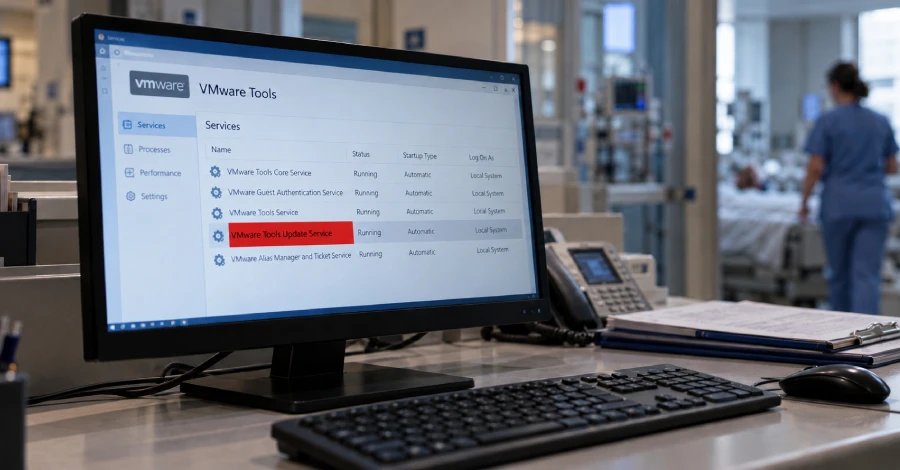
The attackers hid Vasilek, a backdoor that can steal files, capture screenshots, record keystrokes and run commands. They placed malicious files in a VMware Tools folder, where a Windows service posed as a legitimate VMware component. This tactic abused trust in familiar software; it does not mean VMware distributed the malware.
The report says the security firm discovered the intrusion in December 2025, while signs point to a breach as early as 2024. Investigators have not identified how the attackers first entered the network.
A Quiet Intrusion Put Connected Care Systems at Risk
Unlike some earlier attacks linked to the group, this one caused no reported destructive disruption. Researchers suggest the attackers may have valued continued access to the organization and its trusted links with medical subsidiaries for espionage.
That restraint matters. A network can remain operational while intruders quietly collect information or prepare to reach connected systems. However, the report does not say that attackers disrupted patient care or stole patient records.
The case also shows why routine software folders deserve attention: attackers can exploit them because security teams may overlook them. Healthcare providers rely on connected systems to coordinate care, so careful monitoring can help protect both operations and patient trust.
Discover More Technology Insights
Stay informed on the revolutionary breakthroughs in Quantum Computing research.
Explore past and present digital transformations on the Internet Archive.
CyberAttacks-V1
