

Summary Points
- Asahi Group Holdings suspended operations in Japan due to a cyberattack, with no current evidence of data leakage, but ongoing investigations and system restoration efforts are in place.
- Japan’s new Active Cyber Defense Law enhances government authority to intercept foreign internet traffic and requires critical infrastructure to report cybersecurity incidents, aiming to improve national cyber resilience.
- Rising cyber threats have caused disruptions across industries, exemplified by Jaguar Land Rover’s extended production halts and Bridgestone’s investigation into recent cyberattacks on North American facilities.
- Industrial control systems (ICS/OT) exposure is increasing globally, with over 180,000 devices visible monthly in 2024, highlighting the growing cybersecurity risks across operational technologies.
The Core Issue
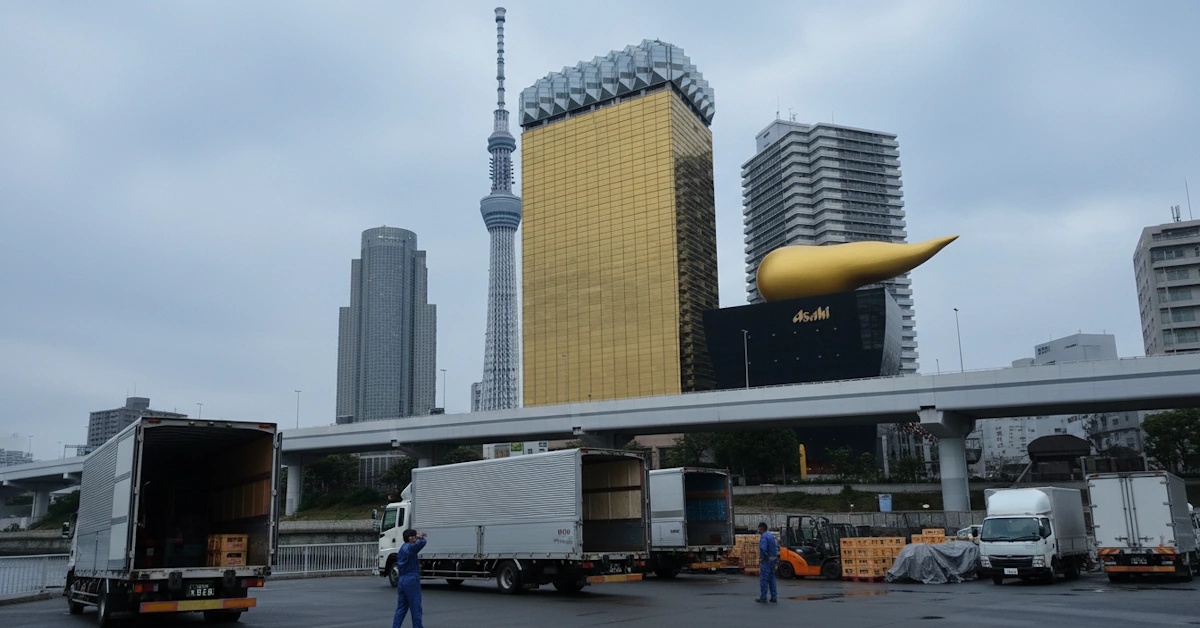
Recently, Asahi Group Holdings, Japan’s leading beverage producer, experienced a significant cyberattack that caused a widespread disruption to its operations within Japan. The company responded by suspending orders, shipping, and customer service functions, emphasizing that no personal data has yet been confirmed as leaked, but the incident has temporarily impacted its internal systems. While the exact cause remains under investigation, it is suspected to be a ransomware attack, though Asahi has not officially confirmed this. This incident reflects a growing trend of cyber threats targeting major corporations, especially amid Japan’s new cybersecurity laws that empower authorities to intercept foreign internet traffic and enforce incident reporting, aiming to enhance national security. High-profile breaches like those at Jaguar Land Rover and Bridgestone illustrate the increasing vulnerability of global supply chains and operational technology systems, as cyber adversaries intensify attacks on infrastructure, manufacturing, and even agriculture sectors, emphasizing the critical need for robust cybersecurity defenses across industries.
The report of Asahi’s attack comes amid alarming statistics: over a third of Japanese companies surveyed recently experienced cyberattacks in the past year, with many encountering them just last month. This surge underscores the urgency of updated security measures, as government agencies and private firms alike face escalating threats designed to disrupt operations and compromise data. Cyberattack incidents have become more frequent and sophisticated, prompting a broad effort, including new legislation and heightened monitoring of industrial and operational systems, to better defend critical infrastructure. Asahi’s situation exemplifies these vulnerabilities and highlights the ongoing battle between corporations and cybercriminals, with authorities continually working to adapt and improve defenses against these increasingly common threats.
Risk Summary
The recent cyberattack on Asahi Group Holdings, Japan’s largest brewing company, underscores the significant operational and reputational risks posed by cyber threats to major corporations. Such incidents can cause extensive disruptions—halting order processing, shipping, and customer service—leading to financial losses and customer dissatisfaction, even when personal data remains uncompromised. The broader landscape in Japan reveals that over a third of businesses experienced cyberattacks within a year, highlighting the increasing prevalence of malicious activities targeting critical infrastructure and supply chains. Legal measures like Japan’s Active Cyber Defense Law aim to bolster defense capabilities, including surveillance and incident reporting, to better understand and counter these threats. The rise in exposure of operational technology systems connected to the internet further amplifies vulnerability, enabling adversaries to infiltrate industrial control environments and disrupt production. High-profile cases with companies like Jaguar Land Rover and Bridgestone demonstrate the tangible impacts—from halted manufacturing to heightened risks for food security sectors—while government policies evolve to facilitate better threat detection and response. Collectively, these developments illustrate the urgent need for comprehensive cybersecurity strategies to mitigate operational, financial, and strategic risks associated with cyber threats in an increasingly interconnected and vulnerable digital ecosystem.
Possible Remediation Steps
In the wake of Brewer Asahi’s suspension of domestic operations following a cyberattack that disrupted ordering and shipping processes, the significance of prompt and effective remediation cannot be overstated. Swift action ensures the minimization of operational downtime, protects sensitive data, and restores customer confidence, all while preventing further financial and reputational damage.
Mitigation and Remediation
- Incident Containment
- System Isolation
- Data Backup Restoration
- Vulnerability Assessment
- Security Patch Deployment
- Incident Response Planning
- Communication with Stakeholders
- Law Enforcement Notification
- Employee Training & Awareness
- Continuous Monitoring
Explore More Security Insights
Stay informed on the latest Threat Intelligence and Cyberattacks.
Access world-class cyber research and guidance from IEEE.
Disclaimer: The information provided may not always be accurate or up to date. Please do your own research, as the cybersecurity landscape evolves rapidly. Intended for secondary references purposes only.
Cyberattacks-V1
