

Fast Facts
- The Salesloft–Drift breach highlights the critical vulnerability of enterprise integrations, with attackers stealing OAuth tokens and accessing major tech company data, emphasizing the fragility of supply chain security.
- Several actively exploited CVEs, including Sitecore CVE-2025-53690 and Android vulnerabilities CVE-2025-38352 and CVE-2025-48543, demonstrate how unpatched weaknesses continue to be prime targets for threat actors.
- Advanced threat groups like APT28, GhostRedirector, and Iranian state-sponsored actors are deploying sophisticated malware, backdoors, and spear-phishing campaigns to target NATO countries, private sectors, and diplomatic entities.
- Emerging trends include the abuse of AI tools for exploitation (e.g., HexStrike AI), massive supply chain attacks like GhostAction, and the exploitation of cloud and IoT devices, underscoring the evolving landscape of cyber threats demanding proactive, layered defenses.
What’s the Problem?
The story details a significant cybersecurity incident involving the Salesloft–Drift breach, where malicious actors exploited vulnerabilities to steal OAuth tokens, allowing them to access sensitive Salesforce data belonging to prominent tech companies. This attack is part of a broader supply chain compromise targeting SaaS marketing tools, affecting notable firms such as Cloudflare, Google Workspace, and Palo Alto Networks. The breach occurred due to attackers leveraging a sophisticated supply chain attack to infiltrate trusted third-party systems, highlighting how interconnected enterprise security can be vulnerable through the weakest link—integrations and third-party dependencies. Multiple threat clusters, tracked by Google and Cloudflare as UNC6395 and GRUB1, are believed to be behind these malicious activities, emphasizing the increasingly complex and targeted nature of modern cyber threats.
Reporting organizations, including cybersecurity researchers and industry analysts, have closely monitored and confirmed the breach, stressing the dangerous potential for such supply chain attacks to escalate without rapid mitigation. The incident underscores the necessity for organizations to bolster resilience in third-party integrations and continually review access controls, revealing both the fragility of modern enterprise ecosystems and the ongoing evolution of threat tactics designed to exploit trust and interconnected systems in the digital landscape.
Risks Involved
Cyber risks today pose significant threats to organizations and individuals alike, driven by an ever-evolving landscape of cyberattacks that leverage vulnerabilities in software, supply chains, and digital integrations. High-profile breaches, like the Salesloft–Drift incident, reveal how attackers exploit stolen OAuth tokens to gain unauthorized access to sensitive data across major platforms, exposing enterprises to data theft and operational disruptions. Similarly, active exploitation of CVEs in widely used systems such as Sitecore, Android, and enterprise networking equipment underscores the rapid pace at which threat actors weaponize unpatched vulnerabilities, escalating risks of remote code execution, malware deployment, and supply chain compromises. Nation-state actors and sophisticated hacking groups employ targeted spear-phishing, backdoors, and AI-powered tools to infiltrate diplomatic, critical infrastructure, and commercial sectors, often aiming to exfiltrate intelligence or manipulate digital ecosystems. These persistent dangers underscore the importance of robust vulnerability management, zero-trust architectures, and proactive threat detection—as neglect or delayed action can lead to catastrophic data breaches, operational paralysis, and loss of trust in digital services.
Possible Action Plan
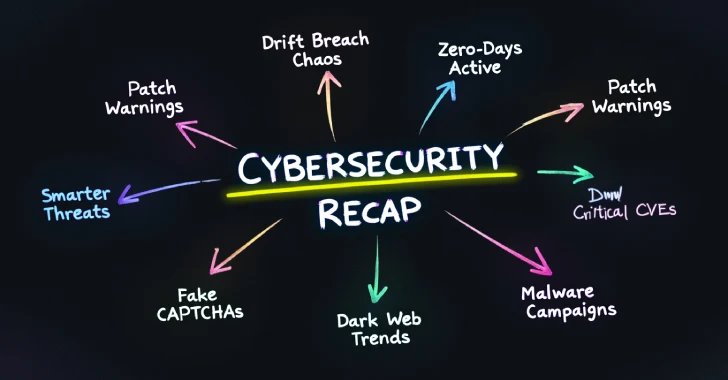
Addressing issues like ‘Drift Breach Chaos, Zero-Days Active, Patch Warnings, Smarter Threats & More’ promptly is crucial to preserving system integrity, preventing exploitation, and avoiding potential catastrophic consequences. These evolving threats demand swift, precise, and effective responses to minimize damage and ensure continued security.
Containment Measures:
Isolate affected systems quickly to prevent spread.
Patch Deployment:
Implement urgent software updates to close vulnerabilities.
Vulnerability Assessment:
Conduct thorough scans to identify exploitable weaknesses.
Continuous Monitoring:
Enhance real-time surveillance for early threat detection.
Incident Response Planning:
Activate established protocols to manage breaches efficiently.
Threat Intelligence:
Leverage current intelligence to understand attacker tactics.
System Rollback:
Restore systems to known secure states if necessary.
User Education:
Inform staff about emerging threats for better vigilance.
Collaborate with Experts:
Seek assistance from cybersecurity specialists for complex issues.
Stay Ahead in Cybersecurity
Discover cutting-edge developments in Emerging Tech and industry Insights.
Learn more about global cybersecurity standards through the NIST Cybersecurity Framework.
Disclaimer: The information provided may not always be accurate or up to date. Please do your own research, as the cybersecurity landscape evolves rapidly. Intended for secondary references purposes only.
Cyberattacks-V1
