

Quick Takeaways
-
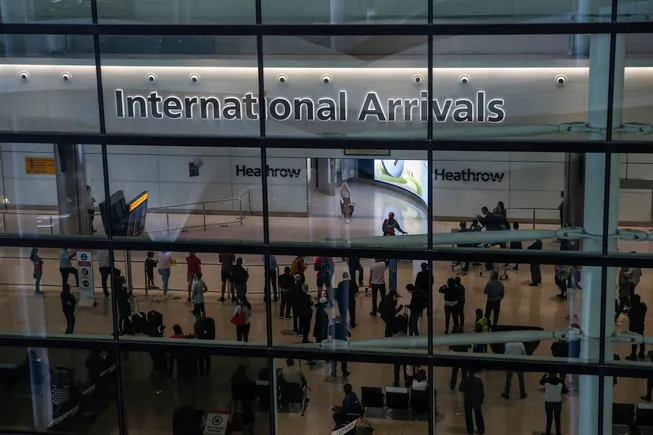
Cyberattack on Vendor: A cyberattack on Collins Aerospace, a U.S. company providing check-in technology, has disrupted passenger flights at major European airports, including Heathrow.
-
Response Coordination: The U.K.’s National Cyber Security Center is collaborating with Collins Aerospace and law enforcement to assess and respond to the incident.
-
Flight Disruptions: Despite the attack, British Airways managed to operate about 90% of its scheduled flights, while Heathrow advised passengers to arrive three hours early for international flights.
- Historical Context: This incident raises concerns regarding the U.S. aviation sector’s vulnerability and reliance on aging technology, highlighted in a recent report on cyber threats.
Understanding the Impact of Cyberattacks
A recent cyberattack on Collins Aerospace, a key technology vendor, has caused significant disruptions in air travel across Europe. Major airports, including London’s Heathrow, experienced delays and cancellations. This incident highlights vulnerabilities within the aviation sector, especially as airlines increasingly rely on technology for operations. Authorities, including the U.K.’s National Cyber Security Center, have stepped in to assess the situation and minimize its impact on passengers. While airlines like British Airways managed to complete the majority of their scheduled flights, travelers faced confusion and inconvenience. Heathrow officials urged passengers to arrive earlier, reflecting the chaos that ensued.
Moreover, this attack raises essential questions about the security of aviation technology. Earlier reports indicated concerns about the U.S. aviation sector’s ability to withstand cyber threats. Aging infrastructure and heavy reliance on interconnected systems pose risks. Recent evidence shows that even established companies can fall victim to cyberattacks. The previous incident involving Collins Aerospace demonstrated that this issue is not isolated. Thus, as technology continues to evolve, the industry must prioritize robust cybersecurity measures to protect against future threats.
Responding to the Call for Enhanced Security
In light of these events, the aviation industry faces a call to action. Airports and airlines must evaluate their technological frameworks and their potential points of vulnerability. They should implement stronger cybersecurity practices to safeguard passenger data and ensure smooth operations. Collaborative efforts among industry players will prove vital in overcoming these challenges.
Travelers also need to stay informed and adaptable. Events like these can disrupt plans, but awareness will help them navigate uncertainties. By understanding the underlying issues, travelers can make better choices and advocate for improved security measures. Ultimately, this incident serves as a reminder of our interconnected world’s fragility and the need for a proactive stance against cyber threats in the aviation sector.
Stay Ahead with the Latest Tech Trends
Learn how the Internet of Things (IoT) is transforming everyday life.
Access comprehensive resources on technology by visiting Wikipedia.
Cybersecurity-V1
