
Close Menu
  • Home
  • Cybercrime and Ransomware
  • Emerging Tech
  • Threat Intelligence
  • Expert Insights
  • Careers and Learning
  • Compliance

Subscribe to Updates

Subscribe to our newsletter and never miss our latest news

Subscribe my Newsletter for New Posts & tips Let's stay updated!

What's Hot

Cybersecurity Weekly: Major Breaches, Zero-Days, and Exploits

February 22, 2026

Revolutionizing ICS Security: The Power of OT Deception in Active Defense

February 22, 2026

Redefining Productivity: Why AI Should Replace Workflows

February 22, 2026
Facebook X (Twitter) Instagram
The CISO Brief
  • Home
  • Cybercrime and Ransomware
  • Emerging Tech
  • Threat Intelligence
  • Expert Insights
  • Careers and Learning
  • Compliance
Home » Fortinet SSL VPNs Hit by Global Brute-Force Wave Before Attackers Shift to FortiManager
Cybercrime and Ransomware

Fortinet SSL VPNs Hit by Global Brute-Force Wave Before Attackers Shift to FortiManager

Staff WriterBy Staff WriterAugust 12, 2025Updated:August 17, 2025No Comments3 Mins Read0 Views
Facebook Twitter Pinterest LinkedIn Tumblr Email
Share
Facebook Twitter LinkedIn Pinterest WhatsApp Email


Aug 12, 2025Ravie LakshmananThreat Intelligence / Enterprise Security

Cybersecurity researchers are warning of a “significant spike” in brute-force traffic aimed at Fortinet SSL VPN devices.

The coordinated activity, per threat intelligence firm GreyNoise, was observed on August 3, 2025, with over 780 unique IP addresses participating in the effort.

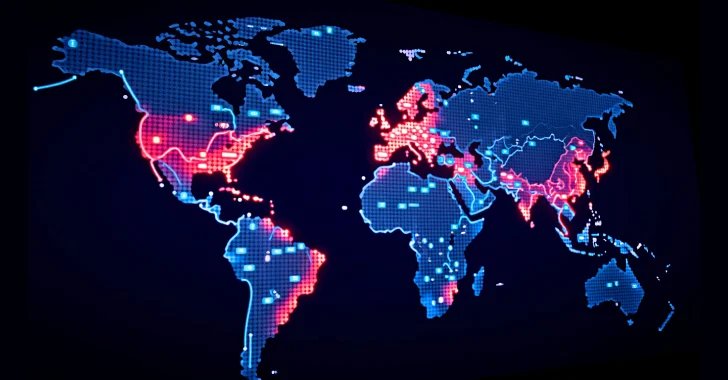
As many as 56 unique IP addresses have been detected over the past 24 hours. All the IP addresses have been classified as malicious, with the IPs originating from the United States, Canada, Russia, and the Netherlands. Targets of the brute-force activity include the United States, Hong Kong, Brazil, Spain, and Japan.

Cybersecurity

“Critically, the observed traffic was also targeting our FortiOS profile, suggesting deliberate and precise targeting of Fortinet’s SSL VPNs,” GreyNoise said. “This was not opportunistic — it was focused activity.”

The company also pointed out that it identified two distinct assault waves spotted before and after August 5: One, a long-running, brute-force activity tied to a single TCP signature that remained relatively steady over time, and Two, which involved a sudden and concentrated burst of traffic with a different TCP signature.

“While the August 3 traffic has targeted the FortiOS profile, traffic fingerprinted with TCP and client signatures – a meta signature – from August 5 onward was not hitting FortiOS,” the company noted. “Instead, it was consistently targeting our FortiManager.”

“This indicated a shift in attacker behavior – potentially the same infrastructure or toolset pivoting to a new Fortinet-facing service.”

On top of that, a deeper examination of the historical data associated with the post-August 5 TCP fingerprint has uncovered an earlier spike in June featuring a unique client signature that resolved to a FortiGate device in a residential ISP block managed by Pilot Fiber Inc.

Identity Security Risk Assessment

This has raised the possibility that the brute-force tooling was either initially tested or launched from a home network. An alternative hypothesis is the use of a residential proxy.

The development comes against the backdrop of findings that spikes in malicious activity are often followed by the disclosure of a new CVE affecting the same technology within six weeks.

“These patterns were exclusive to enterprise edge technologies like VPNs, firewalls, and remote access tools – the same kinds of systems increasingly targeted by advanced threat actors,” the company noted in its Early Warning Signals report published late last month.

The Hacker News has reached out to Fortinet for further comment, and we will update if we hear back.


Source link

Share. Facebook Twitter Pinterest LinkedIn Tumblr Email
Previous Article275M Patient Records Breached: Ensuring HIPAA Compliance with Password Management
Next Article Data Breach Hits Nearly 145,000: Manpower Reveals Security Flaw
Avatar photo
Staff Writer
  • Website

John Marcelli is a staff writer for the CISO Brief, with a passion for exploring and writing about the ever-evolving world of technology. From emerging trends to in-depth reviews of the latest gadgets, John stays at the forefront of innovation, delivering engaging content that informs and inspires readers. When he's not writing, he enjoys experimenting with new tech tools and diving into the digital landscape.

Related Posts

Cybersecurity Weekly: Major Breaches, Zero-Days, and Exploits

February 22, 2026

Revolutionizing ICS Security: The Power of OT Deception in Active Defense

February 22, 2026

Multiple Hacking Groups Exploit OpenClaw to Steal API Keys and Deploy Malware

February 22, 2026

Comments are closed.

Latest Posts

Cybersecurity Weekly: Major Breaches, Zero-Days, and Exploits

February 22, 2026

Revolutionizing ICS Security: The Power of OT Deception in Active Defense

February 22, 2026

Multiple Hacking Groups Exploit OpenClaw to Steal API Keys and Deploy Malware

February 22, 2026

Global Outage: 6-Hour Cloudflare Service Collapse Leaves Customers Unreachable

February 22, 2026
Don't Miss

Cybersecurity Weekly: Major Breaches, Zero-Days, and Exploits

By Staff WriterFebruary 22, 2026

Quick Takeaways Welcome to this week’s Cybersecurity Weekly Digest, your curated roundup of the most…

Revolutionizing ICS Security: The Power of OT Deception in Active Defense

February 22, 2026

Multiple Hacking Groups Exploit OpenClaw to Steal API Keys and Deploy Malware

February 22, 2026

Subscribe to Updates

Subscribe to our newsletter and never miss our latest news

Subscribe my Newsletter for New Posts & tips Let's stay updated!

Recent Posts

  • Cybersecurity Weekly: Major Breaches, Zero-Days, and Exploits
  • Revolutionizing ICS Security: The Power of OT Deception in Active Defense
  • Redefining Productivity: Why AI Should Replace Workflows
  • Multiple Hacking Groups Exploit OpenClaw to Steal API Keys and Deploy Malware
  • Kyndryl Unveils Integrated Cyber Defense Center in Bengaluru
About Us
About Us

Welcome to The CISO Brief, your trusted source for the latest news, expert insights, and developments in the cybersecurity world.

In today’s rapidly evolving digital landscape, staying informed about cyber threats, innovations, and industry trends is critical for professionals and organizations alike. At The CISO Brief, we are committed to providing timely, accurate, and insightful content that helps security leaders navigate the complexities of cybersecurity.

Facebook X (Twitter) Pinterest YouTube WhatsApp
Our Picks

Cybersecurity Weekly: Major Breaches, Zero-Days, and Exploits

February 22, 2026

Revolutionizing ICS Security: The Power of OT Deception in Active Defense

February 22, 2026

Redefining Productivity: Why AI Should Replace Workflows

February 22, 2026
Most Popular

Absolute Launches GenAI Tools to Tackle Endpoint Risk

August 7, 202515 Views

Researchers Uncover Batavia Windows Spyware Stealing Documents from Russian Firms

July 8, 202510 Views

The CTEM Conversation We All Need

June 30, 202510 Views

Archives

  • February 2026
  • January 2026
  • December 2025
  • November 2025
  • October 2025
  • September 2025
  • August 2025
  • July 2025
  • June 2025

Categories

  • Compliance
  • Cyber Updates
  • Cybercrime and Ransomware
  • Editor's pick
  • Emerging Tech
  • Events
  • Featured
  • Insights
  • Threat Intelligence
  • Uncategorized
© 2026 thecisobrief. Designed by thecisobrief.
  • Home
  • About Us
  • Advertise with Us
  • Contact Us
  • DMCA
  • Privacy Policy
  • Terms & Conditions

Type above and press Enter to search. Press Esc to cancel.