

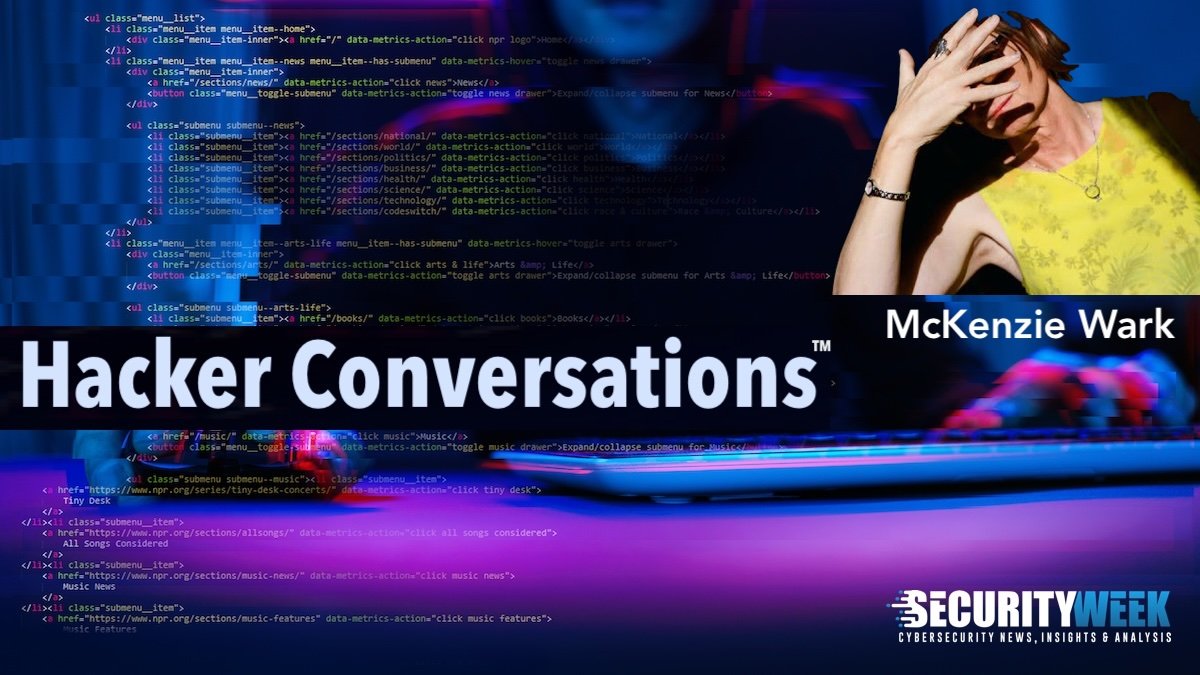
Summary Points
- McKenzie Wark broadens the concept of hacking beyond computer systems, viewing it as a fundamental human activity rooted in creativity, play, and the liberation of information, akin to cultural and philosophical endeavors.
- Human play, as described by Johan Huizinga, is the core of civilization and identity; hacking embodies this playfulness—driven by curiosity and a desire for exploration—yet operates within rule-based frameworks, similar to game mechanics.
- Morality in hacking is less about ethics and more about adherence to or deviation from rules, with hackers conceptualized as different types of players—winners, rule-breakers, or triflers—each engaging with hacking for various motives.
- Neurodiversity, such as ASD or ADHD, influences hacking by providing safe, rule-based environments conducive to focus and creativity, suggesting that all humans possess latent hacker tendencies linked to inherent playfulness, regardless of neurological differences.
The Issue
The story explores the idea that hacking, often viewed narrowly as malicious computer intrusion, is actually a universal human activity rooted in the fundamental play or creativity inherent in human nature. Through academic lenses—namely McKenzie Wark’s broader definition of hacking as a form of cultural and creative expression, Johan Huizinga’s concept of play as the foundation of civilization, and Bernard Suits’ idea of trifling activity—it’s argued that hacking is less about law-breaking and more about curiosity, experimentation, and the liberating pursuit of knowledge. The narrative emphasizes that hacking, like play, is driven by intrinsic motivation and curiosity, which stem from human tendencies toward exploration and rule-based exploration, not necessarily morality or intent. It posits that this drive transcends technology, existing historically in fields like philosophy, economics, and warfare, making hacking a fundamental, almost innate aspect of being human—present in all of us, whether we realize it or not.
The piece further ties this concept to neurodiversity, suggesting that conditions like autism or ADHD may amplify the natural proclivity toward hacking through traits like hyperfocus and a preference for clear rules, thus making technology a safe, affirming space for self-expression and discovery. The story ultimately argues that the act of hacking—as a form of play—relies on universal human traits and that everyone, to some degree, exhibits hacker-like tendencies. This vision reframes hackers not as outsiders or criminals but as manifestations of a natural, ongoing human urge to create, explore, and challenge boundaries—underscoring that, in a fundamental sense, “we are all hackers.”
Risks Involved
From an academic perspective, hackers and hacking are fundamentally rooted in human nature’s innate drive for play, curiosity, and creative exploration, rather than solely malicious intent or criminal activity. McKenzie Wark broadens the scope beyond the media-driven stereotype of hackers as mere system breakers, revealing that hacking is a historical and societal act of creating and liberating information—an extension of play, akin to Huizinga’s concept of Homo Ludens. Hacking emerges from a fundamental human trait: the desire to understand, experiment, and innovate within rule-based systems—whether in technology, philosophy, or social structures—driven by curiosity and the urge to improve or subvert. This perspective underscores that hacking, much like play, is an intrinsic part of human activity, transcending the digital realm to encompass broader creative acts. Neurodiversity interplays with this drive, as conditions like autism or ADHD often facilitate environments where the rules of engagement are clear, predictable, and allowing hyperfocus, thus making computing a safe and empowering space for exploration. Ultimately, the notion that “we are all hackers” reflects a universal, inescapable aspect of human behavior: an ongoing, playful quest for mastery, discovery, and innovation—highlighting that hacking, in its essence, is an extension of humanity’s natural engagement with the world.
Possible Action Plan
In the context of "Hacker Conversations: McKenzie Wark, Author of A Hacker Manifesto," timely remediation is crucial because addressing vulnerabilities or misunderstandings promptly helps prevent the escalation of cyber threats, ensures the integrity of digital discourse, and maintains trust within the hacker and academic communities.
Mitigation Strategies:
- Rapid Response: Immediately identify and contain the breach or issue to minimize damage.
- Communication Coordination: Notify relevant stakeholders and maintain transparent communication.
- Technical Patches: Deploy security patches or updates swiftly to fix vulnerabilities.
- Access Controls: Strengthen authentication protocols and restrict unauthorized access.
- Monitoring: Continuously monitor networks for unusual activity or incursions.
- Training: Educate team members on best practices for cybersecurity and responsible dialogue.
- Audit and Review: Regularly assess security measures and update incident response plans accordingly.
Explore More Security Insights
Explore career growth and education via Careers & Learning, or dive into Compliance essentials.
Access world-class cyber research and guidance from IEEE.
Disclaimer: The information provided may not always be accurate or up to date. Please do your own research, as the cybersecurity landscape evolves rapidly. Intended for secondary references purposes only.
Cyberattacks-V1
