

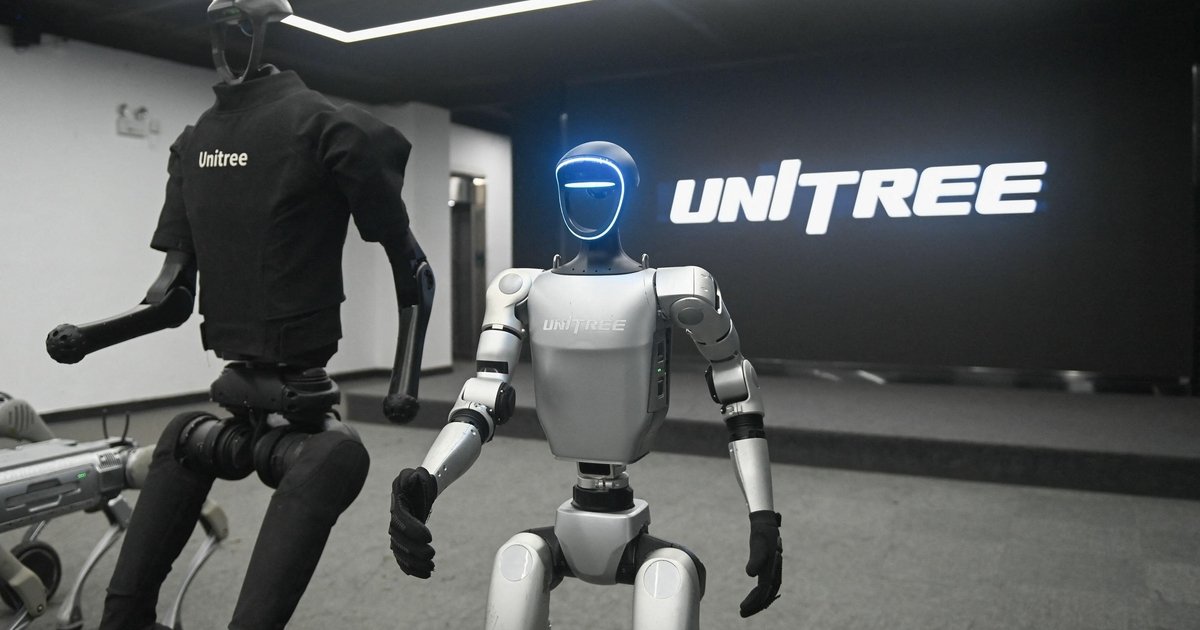
Top Highlights
-
Emerging Sector: The humanoid robot market is growing rapidly, facing significant cybersecurity challenges as organizations aim to replace manual labor with machines that mimic human appearance and behavior.
-
Global Competition: Nations, particularly China, are intensifying efforts in “embodied AI,” with thousands of recent patents highlighting a strategic focus on humanoid robotics, raising concerns about espionage within this industry.
-
Security Vulnerabilities: Current humanoid robots have serious security flaws, with demonstrated vulnerabilities allowing unauthorized access and data sharing without user consent, indicating a lag in cybersecurity awareness among manufacturers.
-
Speed vs. Security Dilemma: The critical need for fast response times in robotics complicates security measures, as implementing robust cybersecurity protocols often hampers performance, leaving a gap in effective protection against potential cyber threats.
Economic Emergence Meets Cybersecurity Challenges
Analysts highlight the rapid growth of the humanoid robot sector, but they warn about significant cybersecurity risks. As companies in the U.S. and Asia race to develop robots that look and act like humans, potential threats lurk in the shadows. Experts predict that manufacturing costs will drop, leading to the possibility of millions of humanoid robots by 2050. However, the success of these robots depends not only on efficiency but also on security. Analysts express growing concerns regarding nation-state espionage and the implications for the robotics industry.
Moreover, these robots are vulnerable to cyberattacks that hackers can easily exploit. Analysts reveal that recent espionage efforts involved conventional malware targeting robotic systems. This raises alarms about both intellectual property theft and the robots themselves. As robotics continue to advance, the risks surrounding them become increasingly real and tangible.
Inherent Risks and the Path Forward
The potential dangers extend beyond industrial espionage; they involve the very design of the robots. Experts warn that many developers lack a solid understanding of cybersecurity, making their products targets for attacks. A notable example underscores this concern, as researchers demonstrated the ability to manipulate a leading humanoid robot through basic connectivity exploits. The issue is not just that cybersecurity is overlooked; it’s that securing these advanced systems is inherently complex.
Technical experts emphasize the need for robust security frameworks. The challenge lies not only in speed requirements but also in achieving adequate protection against cyber threats. As the industry gears up for widespread adoption, developers face a pivotal challenge: to prioritize security without sacrificing performance. Moving forward, a collective effort to embrace advanced cybersecurity principles will be crucial for the safe integration of humanoid robots into society.
Continue Your Tech Journey
Explore the future of technology with our detailed insights on Artificial Intelligence.
Explore past and present digital transformations on the Internet Archive.
CyberRisk-V1
