

Fast Facts
- OT systems are increasingly targeted by cyber threats, with 73% of incidents in 2024 impacting operational technology, emphasizing the need for cybersecurity embedded in system design rather than added afterward.
- Critical infrastructure like hospitals, power grids, and water facilities face daily vulnerabilities and ransomware risks, with consequences ranging from delayed care to widespread operational disruptions.
- Addressing OT security requires comprehensive visibility, segmentation, tailored detection, and resilient response strategies, supported by strong governance, standards, and industry collaboration.
- The industry faces a talent and service gap, with limited expertise in OT cybersecurity, and an urgent need for investment in secure architectures to protect public safety, economic stability, and urban infrastructure.
Key Challenge
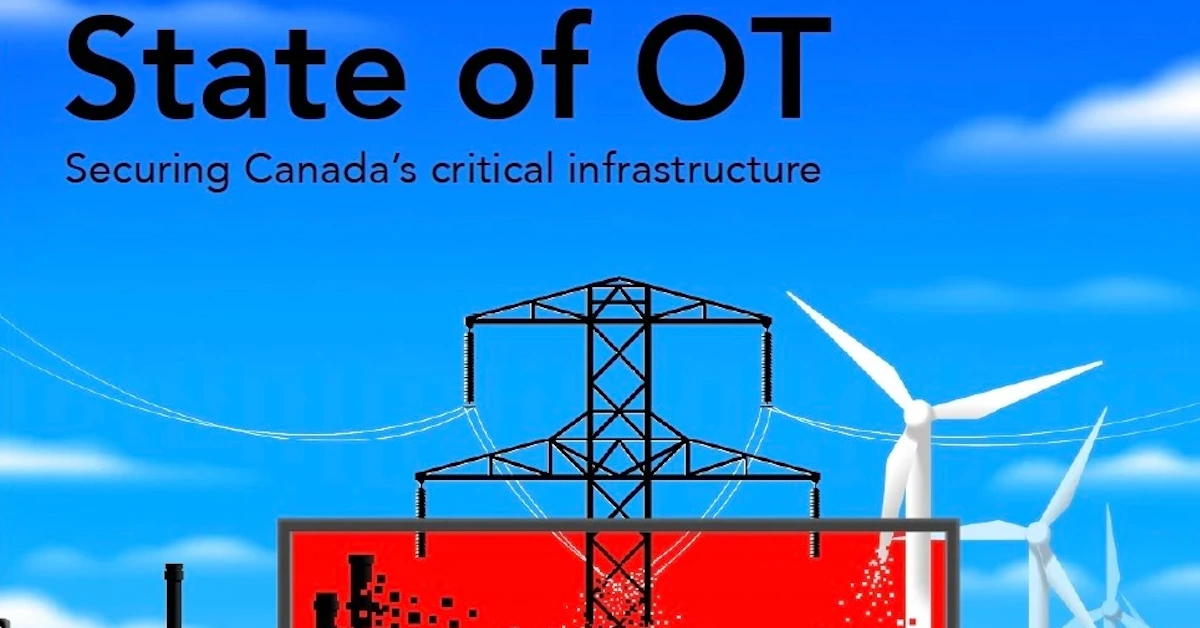
The report from the Canadian Cybersecurity Network highlights a growing and alarming trend: as operational technology (OT) systems such as those controlling energy grids, hospitals, and urban infrastructure converge with traditional IT networks, they have become prime targets for cybercriminals, hackers, and nation-state actors. In 2024, 73% of cyber incidents impacted OT systems—a sharp increase from 49% the previous year—exposing vulnerabilities in critical infrastructure that are exploited through tactics like ransomware and probing for weaknesses. Incidents such as the 2024 Black Basta ransomware attack on Ascension Health underscore the catastrophic risks when OT systems are compromised, potentially delaying healthcare, disrupting energy supplies, and endangering lives. These threats are exacerbated by gaps in cybersecurity practices, insufficient professional expertise, and lax default security settings, which together create a dangerous blind spot in the safety of Canada’s infrastructure. The report emphasizes that safeguarding these systems requires proactive measures such as inventory management, network segmentation, tailored detection services, and robust governance, underscoring the urgent need for coordinated action among government, industry, and community leaders to build resilience against increasingly sophisticated and widespread cyber threats.
The story, reported by Anna Ribeiro of Industrial Cyber News, frames these developments as a critical challenge that imperils not only individual facilities but also the safety, economic stability, and future prosperity of Canada. It explains that attackers are progressively bypassing traditional IT security measures to target facilities like water treatment plants and mining operations, leveraging vulnerabilities like outdated software, weak credentials, and unsecured remote access. The report details how the convergence of OT and IT has created a complex landscape where a single phishing email can trigger wide-scale industrial shutdowns, and how this evolving threat landscape demands comprehensive, specialized cybersecurity strategies—governed by standards and driven by skilled professionals—to prevent disaster and protect the vital systems that underpin modern urban life.
Security Implications
The convergence of operational technology (OT) with information technology (IT) has transformed critical infrastructure into prime targets for cyber threats, with reports indicating that by 2024, 73% of cyber incidents impacted OT systems—up from 49% the previous year—highlighting the escalating vulnerability. Cybercriminals, hacktivists, and nation-states exploit these weaknesses across sectors like energy, healthcare, and urban utilities, where ransomware attacks, such as the 2024 Black Basta incident, have caused widespread disruptions, delayed vital services, and compromised public safety. The integration of OT with IT, combined with aging legacy systems, default credentials, and insufficient segmentation, leaves these assets highly exposed to intrusion via unencrypted protocols and unvetted remote access, heightening risks of cascading failures. With governments mandating compliance measures and insurers increasingly refusing coverage without robust security controls, organizations must prioritize visibility, asset management, segmentation, and specialized monitoring—building defenses that are tailored to the unique demands of physical infrastructure. Failure to act decisively not only jeopardizes organizational resilience but endangers communities, economic stability, and national security, emphasizing that cybersecurity in OT environments is fundamental to safeguarding the future prosperity and safety of Canada.
Fix & Mitigation
Early action is crucial to prevent escalating damage and ensure the resilience of critical infrastructure; delays in addressing cybersecurity vulnerabilities can lead to serious disruptions, financial losses, and threats to public safety.
Preventive Measures
- Conduct comprehensive risk assessments of operational technologies (OT) systems
- Implement robust patch management and software updates
Detection and Monitoring
- Deploy real-time intrusion detection systems (IDS) tailored for OT environments
- Continuously monitor network traffic for anomalies
Access Control
- Enforce strict access controls and multi-factor authentication for OT devices
- Limit administrator privileges and regularly review user access rights
Incident Response
- Develop and rehearse detailed incident response plans specific to OT cyber incidents
- Establish clear communication channels among stakeholders during crises
Training & Awareness
- Provide specialized cybersecurity training for personnel managing OT systems
- Promote awareness of emerging threats among staff and contractors
Collaboration & Policy
- Engage in public-private partnerships for intelligence sharing
- Stay compliant with national cybersecurity standards and regulations
Continue Your Cyber Journey
Discover cutting-edge developments in Emerging Tech and industry Insights.
Access world-class cyber research and guidance from IEEE.
Disclaimer: The information provided may not always be accurate or up to date. Please do your own research, as the cybersecurity landscape evolves rapidly. Intended for secondary references purposes only.
Cyberattacks-V1
