

Top Highlights
-
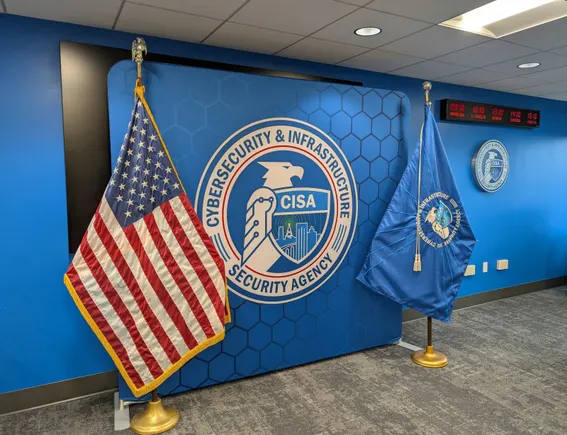
Staff Reductions: The Trump administration has cut nearly all 95 employees in the Cybersecurity and Infrastructure Security Agency’s Stakeholder Engagement Division, effectively crippling its roles in managing critical infrastructure cybersecurity collaboration.
-
Impact on Security Relationships: The layoffs are expected to weaken CISA’s relationships with private sector partners, academic institutions, and international allies, raising concerns about national security amidst increasing cyber threats.
-
Loss of Expertise: Eliminating specialized teams that facilitated partnerships in critical sectors like healthcare and energy risks diminishing institutional knowledge and trust, crucial for responding to sophisticated cyber threats.
- Global Cybersecurity Projects Halted: The cuts to the International Affairs team threaten to disrupt U.S. cybersecurity partnerships abroad, undermining diplomatic efforts and strategic alliances critical for enhancing global cyber resilience.
Pulling Back from Critical Sectors
The recent layoffs at the Cybersecurity and Infrastructure Security Agency (CISA) signal a troubling shift in the U.S. government’s approach to cybersecurity. Nearly all 95 employees in the Stakeholder Engagement Division have been let go, dismantling critical relationships with healthcare, energy, and finance sectors. Consequently, the Council Management office has lost its capacity to foster collaboration between government and industry. This situation hampers effective communication on security projects and emerging threats. Experts highlight the danger of losing institutional knowledge, which takes years to build. As a result, CISA may struggle to respond to complex cyber threats effectively. These cuts could leave organizations vulnerable, especially during times of heightened risk.
Moreover, the absence of strong industry connections can hinder crucial information-sharing necessary for a resilient cybersecurity framework. Collaboration has always allowed stakeholders to pool expertise and resources, improving overall security. Without these relationships, everyone suffers, from healthcare providers to energy companies. Furthermore, the lack of dialogue may worsen existing vulnerabilities, especially within sectors that cannot afford to compromise on security.
International Cyber Programs Halted
The elimination of the International Affairs team at CISA will have widespread implications for U.S. cybersecurity partnerships abroad. This team played a crucial role in training foreign experts and enhancing technological resilience against cyber threats. Now, many high-profile projects tied to diplomatic agreements have ceased. Without this infrastructure, the U.S. government may find it increasingly difficult to form strategic partnerships with other nations.
Experts emphasize that the appeal of international collaboration diminishes when leadership and expertise are lacking. The U.S. loses credibility and influence, jeopardizing its ability to combat global cyber threats effectively. While CISA may still engage in tactical coordination during major cyber emergencies, that does not restore the valuable relationships lost with international partners. As a result, the U.S. could miss important opportunities for collective security and risk mitigation. The cuts at CISA could create a significant gap in national and global cybersecurity initiatives, impacting everyone engaged in cyberspace.
Expand Your Tech Knowledge
Stay informed on the revolutionary breakthroughs in Quantum Computing research.
Access comprehensive resources on technology by visiting Wikipedia.
