
Close Menu
  • Home
  • Cybercrime and Ransomware
  • Emerging Tech
  • Threat Intelligence
  • Expert Insights
  • Careers and Learning
  • Compliance

Subscribe to Updates

Subscribe to our newsletter and never miss our latest news

Subscribe my Newsletter for New Posts & tips Let's stay updated!

What's Hot

European Commission Confirms Data Breach After AWS Account Hack

March 28, 2026

Cybertech Weekly: Top Highlights and Trends

March 27, 2026

European Commission Web Hosts Hit by Major Data Breach

March 27, 2026
Facebook X (Twitter) Instagram
The CISO Brief
  • Home
  • Cybercrime and Ransomware
  • Emerging Tech
  • Threat Intelligence
  • Expert Insights
  • Careers and Learning
  • Compliance
Home » US Cracks Down: Storming 29 Laptop Farms in North Korean IT Scheme!
Cybercrime and Ransomware

US Cracks Down: Storming 29 Laptop Farms in North Korean IT Scheme!

Staff WriterBy Staff WriterJuly 1, 2025No Comments4 Mins Read0 Views
Facebook Twitter Pinterest LinkedIn Tumblr Email
Share
Facebook Twitter LinkedIn Pinterest WhatsApp Email

Summary Points

  1. Nationwide Action: The US Department of Justice has launched a coordinated crackdown across 16 states against fake IT worker schemes linked to North Korea, which have reportedly generated over $88 million in six years.

  2. Fraudulent Employment: North Korean nationals fraudulently secured remote IT jobs in the US, utilizing stolen identities and support from accomplices involving "laptop farms" to mask their locations, affecting hundreds of US companies.

  3. Data Theft and Financial Loss: The illicit activities allowed North Korean IT workers to access sensitive data and steal over $900,000 in cryptocurrency from American firms, including a blockchain company based in Atlanta.

  4. Indictments and Arrests: The DOJ has indicted multiple individuals, including US national Zhenxing ‘Danny’ Wang, and seized 29 financial accounts and 17 domains tied to these schemes, emphasizing the extensive infiltration of this fraud in major US companies.

The Core Issue

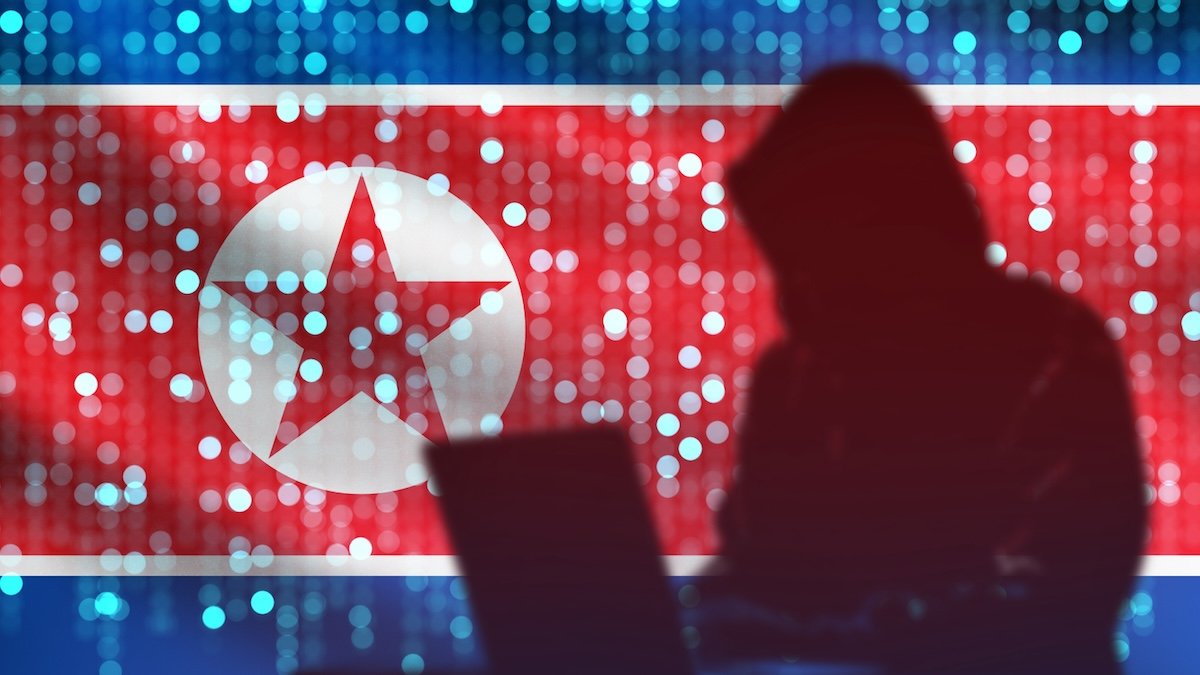
On Monday, the U.S. Department of Justice (DOJ) publicly unveiled an extensive crackdown on a sophisticated network of fraudulent IT worker schemes that had funneled over $88 million to the North Korean government, adversely affecting hundreds of American companies. The schemes involved North Korean nationals utilizing fake or stolen identities to secure remote IT employment, with the operations facilitated by international accomplices, including U.S. citizens who maintained laptop farms to obscure these workers’ true locations. The coordinated action spanned 16 states, resulting in the seizure of multiple financial accounts and websites, as well as arrests and indictments tied to the illicit operations.

Among those indicted was Zhenxing ‘Danny’ Wang, a New Jersey resident accused of generating upwards of $5 million for the scheme by exploiting compromised identities to infiltrate more than 100 companies, including several Fortune 500 corporations. These impersonators not only received salaries but also managed to access sensitive information, such as controlled military technology and significant cryptocurrency assets, leading to notable thefts from firms including an Atlanta-based blockchain company. Industry experts, like John Hultquist from Google Threat Intelligence Group, highlight the pervasive nature of this issue, urging companies to reevaluate their hiring protocols to guard against such systemic exploitation.

Security Implications

The recent crackdown by the US Department of Justice on fraudulent IT worker schemes linked to North Korea underscores a significant threat to businesses, users, and organizations across the nation. As over 100 companies fall victim to these schemes, the ripple effects can be catastrophic, encompassing financial losses exceeding $88 million and the exposure of sensitive data, including military technology and cryptocurrencies. The infiltration of fraudulent workers not only compromises the integrity of hiring practices but also jeopardizes organizational security by granting unauthorized access to critical information systems. This erosion of trust can lead to heightened regulatory scrutiny, reputational damage, and potential legal ramifications for affected enterprises. Consequently, businesses that inadvertently engage with these deceptive actors may face diminished market confidence and operational disruptions, underscoring an urgent need for enhanced vigilance in employee vetting processes to safeguard against similar threats in the future.

Possible Next Steps

Timely remediation is crucial in addressing the illicit operations linked to North Korean IT worker schemes, particularly in the technological arena where national security and economic integrity are at stake.

Mitigation Strategies

  • Enhanced Monitoring
  • Network Isolation
  • User Authentication
  • Incident Response Plans
  • Regulatory Compliance
  • Employee Training

NIST CSF Guidance
The NIST Cybersecurity Framework emphasizes proactive measures for risk management, suggesting the adoption of robust security practices and continuous monitoring. For a deeper understanding of risk categories and strategies, refer to NIST Special Publication 800-53, which outlines comprehensive security controls applicable to information systems.

Continue Your Cyber Journey

Discover cutting-edge developments in Emerging Tech and industry Insights.

Learn more about global cybersecurity standards through the NIST Cybersecurity Framework.

Disclaimer: The information provided may not always be accurate or up to date. Please do your own research, as the cybersecurity landscape evolves rapidly. Intended for secondary references purposes only.

Cyberattacks-V1

CISO Update Cybersecurity DOJ fake IT workers Featured laptop farm MX1 North Korea
Share. Facebook Twitter Pinterest LinkedIn Tumblr Email
Previous ArticleEmpowering Impact: Building Meaningful AI Agents in Security
Next Article International Criminal Court Faces Sophisticated Cyberattack
Avatar photo
Staff Writer
  • Website

John Marcelli is a staff writer for the CISO Brief, with a passion for exploring and writing about the ever-evolving world of technology. From emerging trends to in-depth reviews of the latest gadgets, John stays at the forefront of innovation, delivering engaging content that informs and inspires readers. When he's not writing, he enjoys experimenting with new tech tools and diving into the digital landscape.

Related Posts

European Commission Confirms Data Breach After AWS Account Hack

March 28, 2026

European Commission Web Hosts Hit by Major Data Breach

March 27, 2026

RSAC: Uniting Cybersecurity Insights, Innovation, and Community

March 27, 2026

Comments are closed.

Latest Posts

European Commission Confirms Data Breach After AWS Account Hack

March 28, 2026

European Commission Web Hosts Hit by Major Data Breach

March 27, 2026

RSAC: Uniting Cybersecurity Insights, Innovation, and Community

March 27, 2026

Security Leaders Foresee the Next Two Years as ‘Insane’

March 27, 2026
Don't Miss

European Commission Confirms Data Breach After AWS Account Hack

By Staff WriterMarch 28, 2026

Top Highlights The European Commission confirmed a data breach caused by a targeted cyberattack on…

European Commission Web Hosts Hit by Major Data Breach

March 27, 2026

RSAC: Uniting Cybersecurity Insights, Innovation, and Community

March 27, 2026

Subscribe to Updates

Subscribe to our newsletter and never miss our latest news

Subscribe my Newsletter for New Posts & tips Let's stay updated!

Recent Posts

  • European Commission Confirms Data Breach After AWS Account Hack
  • Cybertech Weekly: Top Highlights and Trends
  • European Commission Web Hosts Hit by Major Data Breach
  • RSAC: Uniting Cybersecurity Insights, Innovation, and Community
  • Security Leaders Foresee the Next Two Years as ‘Insane’
About Us
About Us

Welcome to The CISO Brief, your trusted source for the latest news, expert insights, and developments in the cybersecurity world.

In today’s rapidly evolving digital landscape, staying informed about cyber threats, innovations, and industry trends is critical for professionals and organizations alike. At The CISO Brief, we are committed to providing timely, accurate, and insightful content that helps security leaders navigate the complexities of cybersecurity.

Facebook X (Twitter) Pinterest YouTube WhatsApp
Our Picks

European Commission Confirms Data Breach After AWS Account Hack

March 28, 2026

Cybertech Weekly: Top Highlights and Trends

March 27, 2026

European Commission Web Hosts Hit by Major Data Breach

March 27, 2026
Most Popular

Protecting MCP Security: Defeating Prompt Injection & Tool Poisoning

January 30, 202629 Views

The New Face of DDoS is Impacted by AI

August 4, 202523 Views

Absolute Launches GenAI Tools to Tackle Endpoint Risk

August 7, 202515 Views

Archives

  • March 2026
  • February 2026
  • January 2026
  • December 2025
  • November 2025
  • October 2025
  • September 2025
  • August 2025
  • July 2025
  • June 2025

Categories

  • Compliance
  • Cyber Updates
  • Cybercrime and Ransomware
  • Editor's pick
  • Emerging Tech
  • Events
  • Featured
  • Insights
  • Threat Intelligence
  • Uncategorized
© 2026 thecisobrief. Designed by thecisobrief.
  • Home
  • About Us
  • Advertise with Us
  • Contact Us
  • DMCA
  • Privacy Policy
  • Terms & Conditions

Type above and press Enter to search. Press Esc to cancel.