

Summary Points
- Researchers revealed a remote CarPlay vulnerability exploiting Apple’s AirPlay protocol, enabling hackers to spy on or distract drivers via wireless or wired connections.
- The attack leverages the iAP2 protocol’s weak one-way authentication, allowing impersonation of the phone and extraction of Wi-Fi credentials after Bluetooth pairing.
- Successful exploitation can lead to remote code execution, remote control of vehicle displays, eavesdropping, or tracking, exploiting vulnerabilities like CVE-2025-24132.
- Despite Apple releasing patches, many automakers have not yet implemented updates, leaving millions of vehicles vulnerable to ongoing attacks.
What’s the Problem?
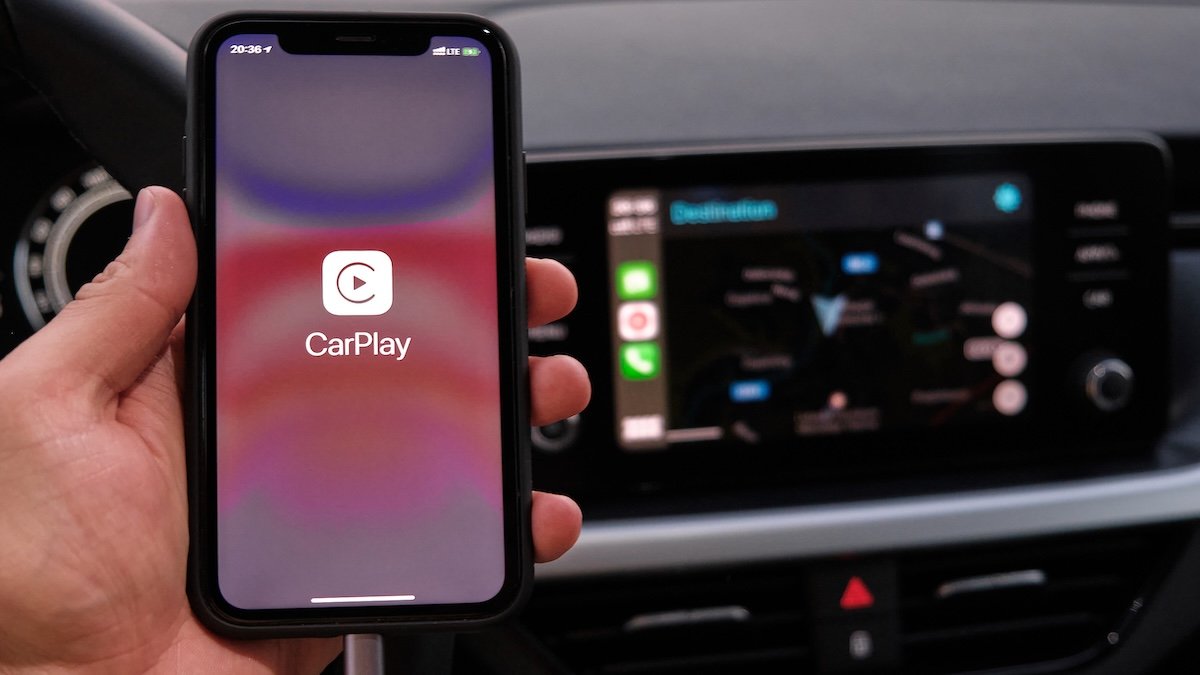
Researchers from security firm Oligo have uncovered a significant vulnerability in Apple’s CarPlay system that could allow hackers to remotely intrude on vehicles and manipulate driver distractions or spy on users. This flaw is linked to the iAP2 protocol, which CarPlay relies on for wireless connections via Bluetooth, Wi-Fi, or USB. The bug, known as CVE-2025-24132, enables malicious actors to impersonate legitimate devices, hijack the connection, and extract Wi-Fi credentials, potentially gaining root access to the vehicle’s infotainment system. Once inside, an attacker could display misleading images, play audio, eavesdrop on conversations, or track the vehicle’s location—all without user interaction. Although Apple addressed the vulnerability with a patch in April, most automakers have yet to implement the fix, leaving millions of vehicles vulnerable to exploitation. The report underscores how delays and coordination challenges among manufacturers mean many cars remain exposed long after a security patch is released, emphasizing the ongoing risk in connected vehicle systems.
Critical Concerns
Researchers have uncovered significant vulnerabilities in Apple’s CarPlay and AirPlay wireless communication protocols, which pose substantial cyber risks including remote device takeover, eavesdropping, and driver distraction. Attackers can exploit these flaws through wired USB or wireless connections like Wi-Fi and Bluetooth, often leveraging default passwords or weak pairing methods such as “just works,” due to the protocol’s one-way authentication. Once connected, hackers can impersonate legitimate devices, extract Wi-Fi credentials, and exploit existing SDK vulnerabilities to gain remote code execution with root privileges, enabling them to manipulate vehicle displays, play audio, or monitor driver conversations and locations. Despite Apple patching some flaws, automakers often delay or fail to deploy updates—highlighting a prolonged exposure window impacting millions of vehicles worldwide, thereby risking driver safety, privacy breaches, and vehicle security on a large scale.
Possible Next Steps
Addressing the security vulnerability in Remote CarPlay promptly is crucial to safeguard drivers from heightened risks of distraction and intrusive surveillance, which can lead to accidents and privacy breaches.
Mitigation Strategies:
- Software Updates: Regularly applying security patches released by manufacturers to fix known vulnerabilities.
- Enhanced Authentication: Implementing stronger access controls and multi-factor authentication to prevent unauthorized remote connections.
- User Education: Informing drivers about potential risks and advising on best practices, such as disabling CarPlay in untrusted environments.
- Network Security: Using secure and trusted networks, along with VPNs, to minimize interception of data during remote access.
- Device Monitoring: Installing cybersecurity tools that detect unusual activity related to CarPlay connections.
- Vendor Collaboration: Working with device and vehicle manufacturers to expedite security improvements and patches.
Stay Ahead in Cybersecurity
Explore career growth and education via Careers & Learning, or dive into Compliance essentials.
Explore engineering-led approaches to digital security at IEEE Cybersecurity.
Disclaimer: The information provided may not always be accurate or up to date. Please do your own research, as the cybersecurity landscape evolves rapidly. Intended for secondary references purposes only.
Cyberattacks-V1
