
Close Menu
  • Home
  • Cybercrime and Ransomware
  • Emerging Tech
  • Threat Intelligence
  • Expert Insights
  • Careers and Learning
  • Compliance

Subscribe to Updates

Subscribe to our newsletter and never miss our latest news

Subscribe my Newsletter for New Posts & tips Let's stay updated!

What's Hot

Buhlmann Group Faces Devastating Ransomware Attack

February 5, 2026

Hackers Exploit Decade-Old Windows Flaw to Disable Modern EDR Defenses

February 5, 2026

Unlocking Hidden Power: Why Boards Should Care About Their ‘Boring’ Systems

February 5, 2026
Facebook X (Twitter) Instagram
The CISO Brief
  • Home
  • Cybercrime and Ransomware
  • Emerging Tech
  • Threat Intelligence
  • Expert Insights
  • Careers and Learning
  • Compliance
Home » Cybersecurity Groups Push Congress to Renew Critical State and Local Cyber Grants
Cybercrime and Ransomware

Cybersecurity Groups Push Congress to Renew Critical State and Local Cyber Grants

Staff WriterBy Staff WriterSeptember 4, 2025No Comments4 Mins Read0 Views
Facebook Twitter Pinterest LinkedIn Tumblr Email
Share
Facebook Twitter LinkedIn Pinterest WhatsApp Email

Top Highlights

  1. The SLCGP, established in 2021 to bolster cybersecurity at state, local, tribal, and territorial levels, is critical for protecting U.S. infrastructure against sophisticated threats and should be reauthorized and funded long-term.
  2. Cybersecurity organizations emphasize that SLTT entities are on the frontline of cyberattacks, facing challenges like budget limits and lack of expertise, which the SLCGP helps mitigate through strategic funding and planning.
  3. The program promotes a whole-of-nation cybersecurity approach, encouraging resource sharing, best practices, and collaboration across government levels and private sectors to strengthen defenses.
  4. Urging increased, stable federal funding—around $4.5 billion over two years—they warn that insufficient investment, especially amid threats from nation-state actors like Volt Typhoon, jeopardizes national security and community resilience.

Underlying Problem

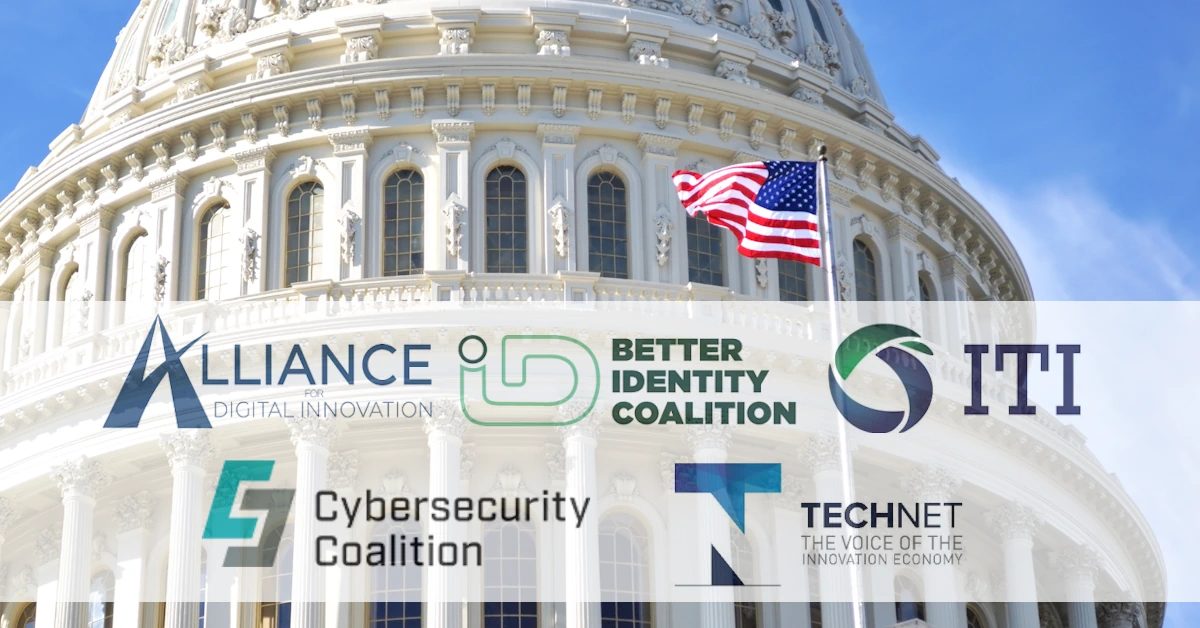
A coalition of cybersecurity organizations is urgently pleading with Congress to renew and expand the State and Local Cybersecurity Grant Program (SLCGP), which is set to expire in September 2025. Since its inception in 2021, the program has played a crucial role in helping state, local, tribal, and territorial governments bolster their defenses against an increasingly complex array of cyber threats, including critical infrastructure and operational technology risks. These organizations, including the Cyber Threat Alliance, the Global Cyber Alliance, and various industry groups, emphasize that small and rural communities often struggle with limited resources and expertise, making this funding essential. They argue that the program’s continued support is vital not only for upgrading cybersecurity measures but also for fostering a collaborative, whole-of-nation approach that enhances overall national resilience against threats posed by state-sponsored actors and sophisticated cyberattacks.

The organizations warn that significant gaps remain, notably due to inadequate long-term funding and high cost-sharing requirements that strain small communities. They call for a stable, multi-year investment of about $4.5 billion over two years and a lower, more predictable cost-sharing system. Furthermore, they highlight the urgent threat posed by nation-state cyber actors like Volt Typhoon, linked to China, which is covertly targeting U.S. infrastructure for strategic purposes. They stress that without sustained, substantial investment—comparable to the defense spending that the Department of Defense allocates daily—the United States risks severe disruptions and vulnerabilities in critical systems, ultimately jeopardizing national security. These perspectives are conveyed through official letters addressed to Congress and key officials, underscoring the program’s proven effectiveness and need for enhanced funding to meet evolving cyber threats.

Risks Involved

Cyber risks pose a profound threat to U.S. infrastructure, communities, and national security, exemplified by sophisticated nation-state actors like Volt Typhoon, which infiltrate critical systems—energy, transportation, water—using covert tactics to influence decision-making and advance geopolitical aims. These cyber threats escalate the risk of catastrophic disruptions, financial theft, and compromised public safety, especially as smaller and rural jurisdictions face budget and expertise gaps that hinder robust defenses. Recognizing this, cybersecurity organizations are urging Congress to reauthorize and expand the State and Local Cybersecurity Grant Program (SLCGP), vital for empowering local entities with the resources, strategic planning, and collaboration needed to combat evolving threats. Without sustained funding and streamlined processes, these communities remain vulnerable to increasingly complex attacks, while the broader danger looms of an attack disrupting critical infrastructure on a national scale—underscoring the urgent need for substantial, predictable investment to bolster resilience and safeguard public welfare.

Possible Actions

Addressing the urgency of cybersecurity vulnerabilities is crucial to safeguard critical infrastructure and data integrity. Timely remediation ensures that emerging threats are neutralized before they can cause significant harm, maintaining trust and stability in digital systems.

Mitigation Strategies

  • Update security software regularly
  • Implement multi-factor authentication
  • Conduct regular vulnerability scans

Remediation Steps

  • Patch known software flaws promptly
  • Isolate affected systems
  • Deploy intrusion detection systems

Preventive Measures

  • Train staff on cybersecurity best practices
  • Develop comprehensive incident response plans
  • Promote ongoing security awareness programs

Stay Ahead in Cybersecurity

Discover cutting-edge developments in Emerging Tech and industry Insights.

Understand foundational security frameworks via NIST CSF on Wikipedia.

Disclaimer: The information provided may not always be accurate or up to date. Please do your own research, as the cybersecurity landscape evolves rapidly. Intended for secondary references purposes only.

Cyberattacks-V1

AUSCF CISO Update critical infrastructure Critical Infrastructure Security CSC 2.0 CTA cyber defenses Cybersecurity Exposure Management GCA ITI McCrary Institute MX1 national cybersecurity OT OTCC risk management SCC SIIA SLCGP SLTT
Share. Facebook Twitter Pinterest LinkedIn Tumblr Email
Previous ArticleWytec Faces Major Financial Setback After Website Breach
Next Article Auto-Industrie in Angst vor Cyberattacken
Avatar photo
Staff Writer
  • Website

John Marcelli is a staff writer for the CISO Brief, with a passion for exploring and writing about the ever-evolving world of technology. From emerging trends to in-depth reviews of the latest gadgets, John stays at the forefront of innovation, delivering engaging content that informs and inspires readers. When he's not writing, he enjoys experimenting with new tech tools and diving into the digital landscape.

Related Posts

Buhlmann Group Faces Devastating Ransomware Attack

February 5, 2026

Hackers Exploit Decade-Old Windows Flaw to Disable Modern EDR Defenses

February 5, 2026

Unlocking Hidden Power: Why Boards Should Care About Their ‘Boring’ Systems

February 5, 2026

Comments are closed.

Latest Posts

Buhlmann Group Faces Devastating Ransomware Attack

February 5, 2026

Hackers Exploit Decade-Old Windows Flaw to Disable Modern EDR Defenses

February 5, 2026

Unlocking Hidden Power: Why Boards Should Care About Their ‘Boring’ Systems

February 5, 2026

DragonForce Ransomware Strikes: Critical Business Data at Risk

February 5, 2026
Don't Miss

Buhlmann Group Faces Devastating Ransomware Attack

By Staff WriterFebruary 5, 2026

Quick Takeaways The Buhlmann Group was targeted by the notorious ransomware group Akira, which claims…

Hackers Exploit Decade-Old Windows Flaw to Disable Modern EDR Defenses

February 5, 2026

Unlocking Hidden Power: Why Boards Should Care About Their ‘Boring’ Systems

February 5, 2026

Subscribe to Updates

Subscribe to our newsletter and never miss our latest news

Subscribe my Newsletter for New Posts & tips Let's stay updated!

Recent Posts

  • Buhlmann Group Faces Devastating Ransomware Attack
  • Hackers Exploit Decade-Old Windows Flaw to Disable Modern EDR Defenses
  • Unlocking Hidden Power: Why Boards Should Care About Their ‘Boring’ Systems
  • Critical n8n Flaw CVE-2026-25049: Command Execution Risk via Malicious Workflows
  • DragonForce Ransomware Strikes: Critical Business Data at Risk
About Us
About Us

Welcome to The CISO Brief, your trusted source for the latest news, expert insights, and developments in the cybersecurity world.

In today’s rapidly evolving digital landscape, staying informed about cyber threats, innovations, and industry trends is critical for professionals and organizations alike. At The CISO Brief, we are committed to providing timely, accurate, and insightful content that helps security leaders navigate the complexities of cybersecurity.

Facebook X (Twitter) Pinterest YouTube WhatsApp
Our Picks

Buhlmann Group Faces Devastating Ransomware Attack

February 5, 2026

Hackers Exploit Decade-Old Windows Flaw to Disable Modern EDR Defenses

February 5, 2026

Unlocking Hidden Power: Why Boards Should Care About Their ‘Boring’ Systems

February 5, 2026
Most Popular

Nokia Alerts Telecoms to Rising Stealth Attacks, DDoS Surge, and Cryptography Pressures

October 8, 20259 Views

Cyberattack Cripples 34 Devices in Telecoms Using LinkedIn Lures & MINIBIKE Malware

September 19, 20259 Views

Tonic Security Secures $7 Million to Transform Cyber Risk Reduction

July 28, 20259 Views

Archives

  • February 2026
  • January 2026
  • December 2025
  • November 2025
  • October 2025
  • September 2025
  • August 2025
  • July 2025
  • June 2025

Categories

  • Compliance
  • Cyber Updates
  • Cybercrime and Ransomware
  • Editor's pick
  • Emerging Tech
  • Events
  • Featured
  • Insights
  • Threat Intelligence
  • Uncategorized
© 2026 thecisobrief. Designed by thecisobrief.
  • Home
  • About Us
  • Advertise with Us
  • Contact Us
  • DMCA
  • Privacy Policy
  • Terms & Conditions

Type above and press Enter to search. Press Esc to cancel.