
Close Menu
  • Home
  • Cybercrime and Ransomware
  • Emerging Tech
  • Threat Intelligence
  • Expert Insights
  • Careers and Learning
  • Compliance

Subscribe to Updates

Subscribe to our newsletter and never miss our latest news

Subscribe my Newsletter for New Posts & tips Let's stay updated!

What's Hot

Buhlmann Group Faces Devastating Ransomware Attack

February 5, 2026

Hackers Exploit Decade-Old Windows Flaw to Disable Modern EDR Defenses

February 5, 2026

Unlocking Hidden Power: Why Boards Should Care About Their ‘Boring’ Systems

February 5, 2026
Facebook X (Twitter) Instagram
The CISO Brief
  • Home
  • Cybercrime and Ransomware
  • Emerging Tech
  • Threat Intelligence
  • Expert Insights
  • Careers and Learning
  • Compliance
Home » Tech Giants Targeted: Hacked for Support Scams!
Cybercrime and Ransomware

Tech Giants Targeted: Hacked for Support Scams!

Staff WriterBy Staff WriterJune 24, 2025No Comments4 Mins Read0 Views
Facebook Twitter Pinterest LinkedIn Tumblr Email
Share
Facebook Twitter LinkedIn Pinterest WhatsApp Email

Essential Insights

  1. Exploiting Legitimate Websites: Tech support scammers are ‘hacking’ major company websites to display their phone numbers, tricking users into calling them for support.

  2. Misleading Sponsored Ads: Scammers are buying Google ads that direct users to genuine sites like Apple and Microsoft, but the URLs are manipulated to show scam phone numbers in search results.

  3. Search Parameter Injection: This method uses search parameter injection techniques to poison search results on real support pages, making the fraudulent number appear legitimate.

  4. Endangering Personal Data: Once contacted, scammers impersonate the brand to steal personal information, financial data, or gain remote access to victims’ computers.

Problem Explained

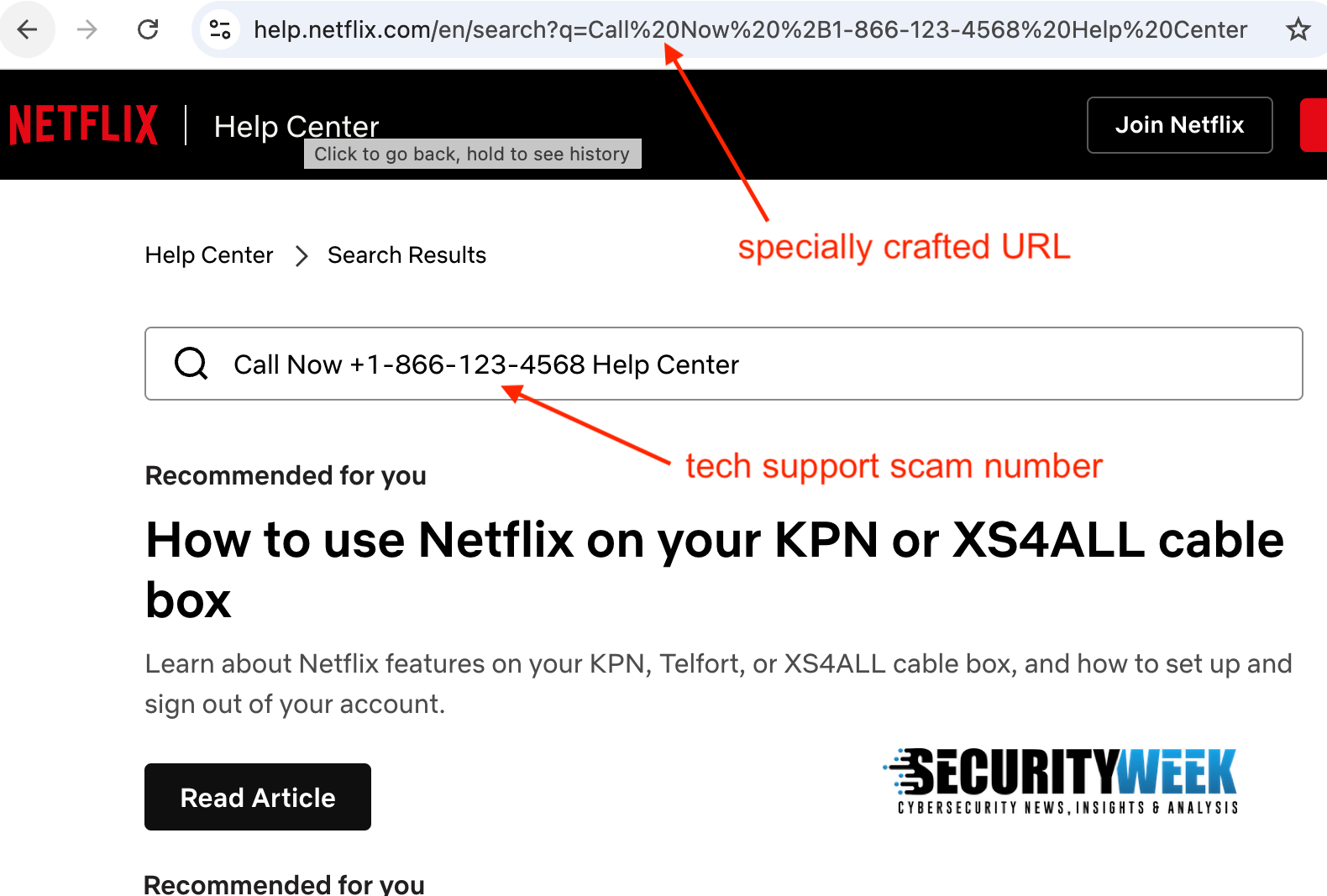
Tech support scammers have devised an insidious yet simplistic strategy to ensnare unsuspecting users by exploiting the websites of reputable companies. According to an analysis by the cybersecurity firm Malwarebytes, these unscrupulous actors purchase sponsored ads on Google that lead users searching for technical assistance directly to the legitimate help pages of well-known corporations like Apple, Microsoft, and PayPal. However, these pages contain cleverly manipulated URLs that trigger “search parameter injection,” causing the scammers’ phone numbers to appear deceptively within the official site’s search results, thus bypassing the need for fake websites.

The manipulation is so subtle that users may not initially recognize the dissonance, as the browser’s address bar still displays the legitimate company’s URL, thereby fostering a false sense of security. Once individuals call the fraudulent number, scammers exploit this trust by impersonating the company to extract sensitive personal and financial information. Jerome Segura, Malwarebytes’ Senior Director of Research, emphasizes the gravity of the situation, especially regarding financial entities like Bank of America and PayPal, where the ultimate aim is to siphon funds from unsuspecting victims. This alarming trend not only highlights the creativity of cybercriminals but also underscores the pervasive vulnerability of users navigating digital landscapes in search of assistance.

Critical Concerns

The emergence of tech support scammers exploiting major company websites poses significant risks not only to unsuspecting users but also to the broader business landscape. When esteemed brands like Apple and Microsoft are hijacked to display fraudulent contact information, it undermines customer trust and brand integrity, leading to decreased user engagement and potential financial losses. Users, misled into divulging personal or financial information, can face dire consequences, including identity theft and monetary fraud, amplifying the fallout for the legitimate companies that inadvertently facilitated this deception. Consequently, organizations may encounter heightened reputational damage, increased customer service burdens, and regulatory scrutiny, culminating in a pervasive atmosphere of skepticism that adversely affects consumer confidence across the industry. The ripple effects of such scams extend well beyond individual incidents, potentially destabilizing relationships between consumers and other businesses that rely on trust and transparency in a digital marketplace.

Possible Remediation Steps

Timely remediation is essential in mitigating the repercussions of high-profile tech support scams that exploit well-known platforms like Apple, Netflix, and Microsoft. Prompt action can prevent further damage and protect both users and corporate reputations.

Mitigation and Remediation Steps

  • Incident Response Plan: Activate designated protocols for immediate action.
  • User Awareness: Educate users on recognizing phishing attempts and fraudulent activity.
  • System Updates: Ensure software and security systems are up-to-date to close vulnerabilities.
  • Access Controls: Limit system access according to the principle of least privilege.
  • Threat Intelligence: Monitor and analyze threat landscapes to anticipate future scams.
  • Communication Strategy: Inform stakeholders and clients clearly and promptly about the breach and recovery efforts.
  • Regular Audits: Conduct audits to identify security gaps and enhance defense mechanisms.

NIST CSF Guidance
The National Institute of Standards and Technology’s Cybersecurity Framework (CSF) emphasizes a proactive approach to risk management, prioritizing detection, response, and recovery strategies. For deeper insights into effective controls and frameworks, refer specifically to NIST Special Publication 800-53.

Advance Your Cyber Knowledge

Explore career growth and education via Careers & Learning, or dive into Compliance essentials.

Explore engineering-led approaches to digital security at IEEE Cybersecurity.

Disclaimer: The information provided may not always be accurate or up to date. Please do your own research, as the cybersecurity landscape evolves rapidly. Intended for secondary references purposes only.

Cyberattacks-V1

CISO Update Cybersecurity injection MX1 scam tech support scam
Share. Facebook Twitter Pinterest LinkedIn Tumblr Email
Previous ArticleSecure Your Applications with OPSWAT and F5
Next Article Silent Sentinels: Chinese APTs Harness Routers for Espionage
Avatar photo
Staff Writer
  • Website

John Marcelli is a staff writer for the CISO Brief, with a passion for exploring and writing about the ever-evolving world of technology. From emerging trends to in-depth reviews of the latest gadgets, John stays at the forefront of innovation, delivering engaging content that informs and inspires readers. When he's not writing, he enjoys experimenting with new tech tools and diving into the digital landscape.

Related Posts

Buhlmann Group Faces Devastating Ransomware Attack

February 5, 2026

Hackers Exploit Decade-Old Windows Flaw to Disable Modern EDR Defenses

February 5, 2026

Unlocking Hidden Power: Why Boards Should Care About Their ‘Boring’ Systems

February 5, 2026

Comments are closed.

Latest Posts

Buhlmann Group Faces Devastating Ransomware Attack

February 5, 2026

Hackers Exploit Decade-Old Windows Flaw to Disable Modern EDR Defenses

February 5, 2026

Unlocking Hidden Power: Why Boards Should Care About Their ‘Boring’ Systems

February 5, 2026

DragonForce Ransomware Strikes: Critical Business Data at Risk

February 5, 2026
Don't Miss

Buhlmann Group Faces Devastating Ransomware Attack

By Staff WriterFebruary 5, 2026

Quick Takeaways The Buhlmann Group was targeted by the notorious ransomware group Akira, which claims…

Hackers Exploit Decade-Old Windows Flaw to Disable Modern EDR Defenses

February 5, 2026

Unlocking Hidden Power: Why Boards Should Care About Their ‘Boring’ Systems

February 5, 2026

Subscribe to Updates

Subscribe to our newsletter and never miss our latest news

Subscribe my Newsletter for New Posts & tips Let's stay updated!

Recent Posts

  • Buhlmann Group Faces Devastating Ransomware Attack
  • Hackers Exploit Decade-Old Windows Flaw to Disable Modern EDR Defenses
  • Unlocking Hidden Power: Why Boards Should Care About Their ‘Boring’ Systems
  • Critical n8n Flaw CVE-2026-25049: Command Execution Risk via Malicious Workflows
  • DragonForce Ransomware Strikes: Critical Business Data at Risk
About Us
About Us

Welcome to The CISO Brief, your trusted source for the latest news, expert insights, and developments in the cybersecurity world.

In today’s rapidly evolving digital landscape, staying informed about cyber threats, innovations, and industry trends is critical for professionals and organizations alike. At The CISO Brief, we are committed to providing timely, accurate, and insightful content that helps security leaders navigate the complexities of cybersecurity.

Facebook X (Twitter) Pinterest YouTube WhatsApp
Our Picks

Buhlmann Group Faces Devastating Ransomware Attack

February 5, 2026

Hackers Exploit Decade-Old Windows Flaw to Disable Modern EDR Defenses

February 5, 2026

Unlocking Hidden Power: Why Boards Should Care About Their ‘Boring’ Systems

February 5, 2026
Most Popular

Nokia Alerts Telecoms to Rising Stealth Attacks, DDoS Surge, and Cryptography Pressures

October 8, 20259 Views

Cyberattack Cripples 34 Devices in Telecoms Using LinkedIn Lures & MINIBIKE Malware

September 19, 20259 Views

Tonic Security Secures $7 Million to Transform Cyber Risk Reduction

July 28, 20259 Views

Archives

  • February 2026
  • January 2026
  • December 2025
  • November 2025
  • October 2025
  • September 2025
  • August 2025
  • July 2025
  • June 2025

Categories

  • Compliance
  • Cyber Updates
  • Cybercrime and Ransomware
  • Editor's pick
  • Emerging Tech
  • Events
  • Featured
  • Insights
  • Threat Intelligence
  • Uncategorized
© 2026 thecisobrief. Designed by thecisobrief.
  • Home
  • About Us
  • Advertise with Us
  • Contact Us
  • DMCA
  • Privacy Policy
  • Terms & Conditions

Type above and press Enter to search. Press Esc to cancel.