

Essential Insights
-
Digital Risk Protection (DRP) platforms in 2025 are essential for combating evolving external threats like brand impersonation, phishing, and data leaks, especially with expanded attack surfaces due to hybrid work, cloud, and AI-driven cyberattacks.
-
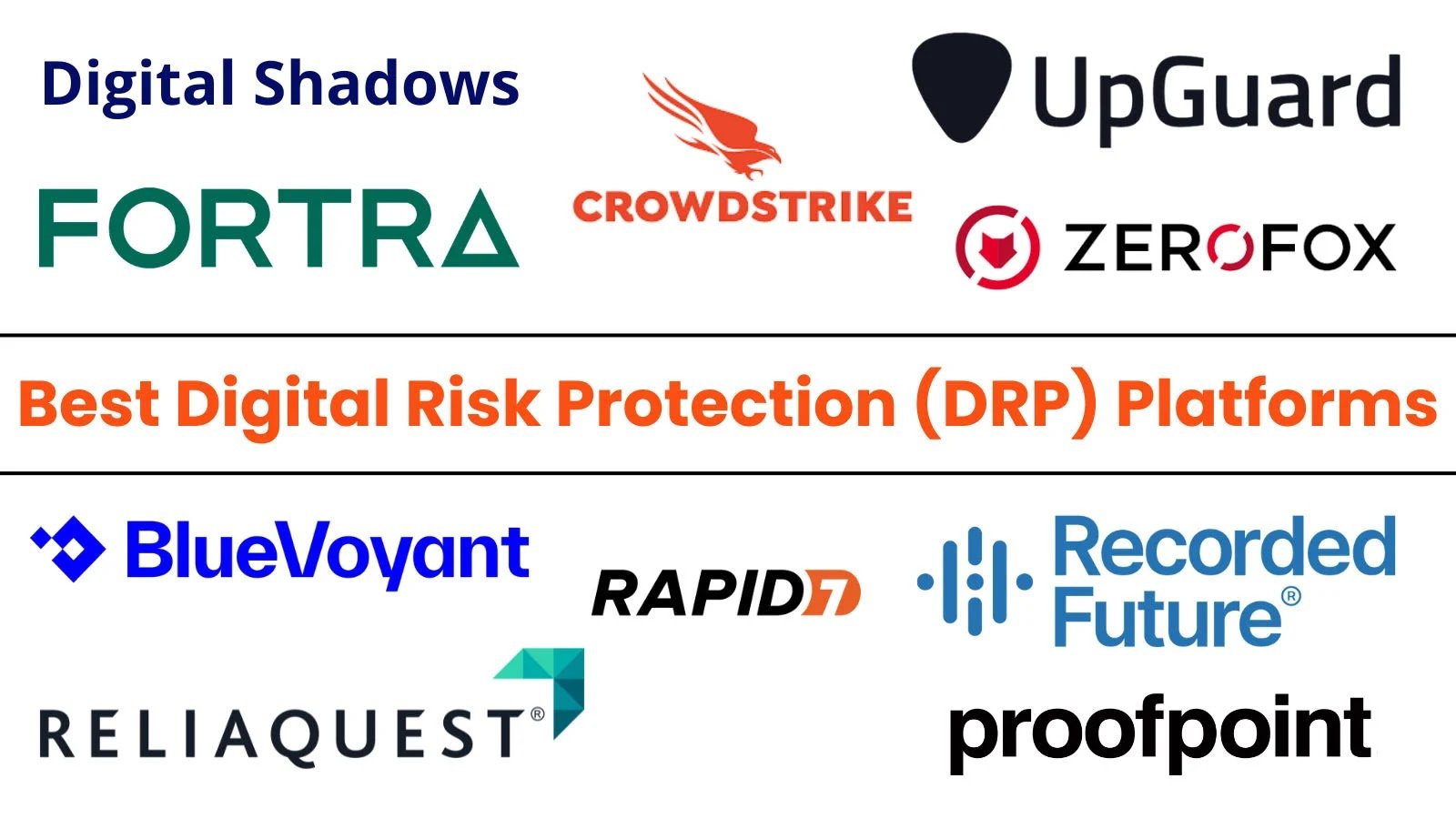
Top platforms such as Digital Shadows, Proofpoint, and ZeroFox offer comprehensive features including dark web monitoring, takedown capabilities, and social media defense, tailored to different organizational needs—large enterprises, SMBs, or brand-centric firms.
-
Choosing the ideal DRP involves assessing features like automated remediation, threat intelligence depth, integration with existing security tools, and support services, with some platforms emphasizing external threat detection, others combining internal-external oversight or specializing in phishing.
- In 2025, integrating advanced DRP platforms into cybersecurity strategies is critical for proactive threat detection, rapid response, and protecting organizational reputation amid increasing cyber risks and attack vectors across digital channels.
Key Challenge
In 2025, a surge in sophisticated digital threats has caused organizations across various sectors to seek advanced protective measures against external cyber risks such as brand impersonation, data leaks, and phishing attacks. These threats, which extend beyond traditional defenses like firewalls, often target sensitive customer data, corporate reputation, and intellectual property, especially amidst the expanding attack surface created by hybrid work, cloud adoption, and AI-driven cybercrime. Multiple Digital Risk Protection (DRP) platforms—the most prominent being Digital Shadows, Proofpoint, ZeroFox, and others—have emerged to address these challenges by offering comprehensive monitoring of open, deep, and dark web sources. These platforms utilize automation, global threat databases, and intelligence-driven insights to detect, analyze, and remediate risks, often through rapid takedown services and threat intelligence integration. The story, reported by industry analysts and security experts, highlights the critical role of these platforms in safeguarding organizations that are increasingly targeted by cybercriminals, emphasizing the importance of selecting a suitable DRP solution that aligns with their specific threat landscape, operational needs, and budget constraints.
Critical Concerns
In 2025, organizations face a complex and expanding cyber risk landscape driven by the proliferation of hybrid work, cloud reliance, and AI-powered threats, which significantly broadens their attack surfaces beyond traditional defenses. Digital Risk Protection (DRP) platforms play a vital role in providing proactive, external threat visibility—monitoring the dark web, social media, and online domains to detect risks like brand impersonation, data leaks, phishing campaigns, and cybercrime activities that traditional security measures often overlook. These platforms leverage sophisticated threat intelligence, automation, and takedown capabilities to swiftly identify and mitigate threats, thereby safeguarding organizational reputation, customer trust, intellectual property, and regulatory compliance. The effectiveness of a DRP solution hinges on its ability to integrate contextual insights, automate responses, and connect seamlessly with existing security workflows—features that are crucial as cyber adversaries adapt and escalate their tactics. With only select platforms offering comprehensive coverage, rapid threat detection, and remediation, choosing the right DRP tool requires meticulous evaluation of their specific strengths, operational fit, and cost-efficiency to ensure resilient defense in an era where external digital risks pose unprecedented challenges.
Fix & Mitigation
Addressing digital risks swiftly is essential to safeguard reputation, maintain operational integrity, and prevent financial loss. The fastest response can mitigate damage and restore trust efficiently.
Immediate Actions
- Rapid incident detection
- Initial containment measures
- Stakeholder notification
Analysis & Evaluation
- Root cause analysis
- Threat assessment review
- Impact analysis
Containment & Eradication
- Isolate affected systems
- Remove malicious content
- Patch security vulnerabilities
Recovery & Restoration
- System recovery protocols
- Data restoration
- Continuous monitoring
Prevention & Planning
- Update security policies
- Employee cybersecurity training
- Regular vulnerability scans
Explore More Security Insights
Explore career growth and education via Careers & Learning, or dive into Compliance essentials.
Understand foundational security frameworks via NIST CSF on Wikipedia.
Disclaimer: The information provided may not always be accurate or up to date. Please do your own research, as the cybersecurity landscape evolves rapidly. Intended for secondary references purposes only.
Cyberattacks-V1
