

Quick Takeaways
- Protecting digital infrastructure in 2025 is vital due to escalating and complex cyber threats, making Next-Generation Firewalls (NGFWs) essential for comprehensive enterprise defense.
- Top NGFW providers like Palo Alto Networks, Fortinet, and Check Point leverage AI, scalable architecture, and unified management to deliver advanced threat detection, flexible deployment, and future-proof security.
- These solutions cater to a wide range of organizations—large enterprises, SMBs, and cloud operators—by addressing ransomware, malware, phishing, insider risks, and regulatory compliance.
- The selection of an NGFW depends on specific needs such as performance, cost, ease of management, and infrastructure compatibility, emphasizing the importance of detailed comparison to ensure optimal cybersecurity resilience.
Problem Explained
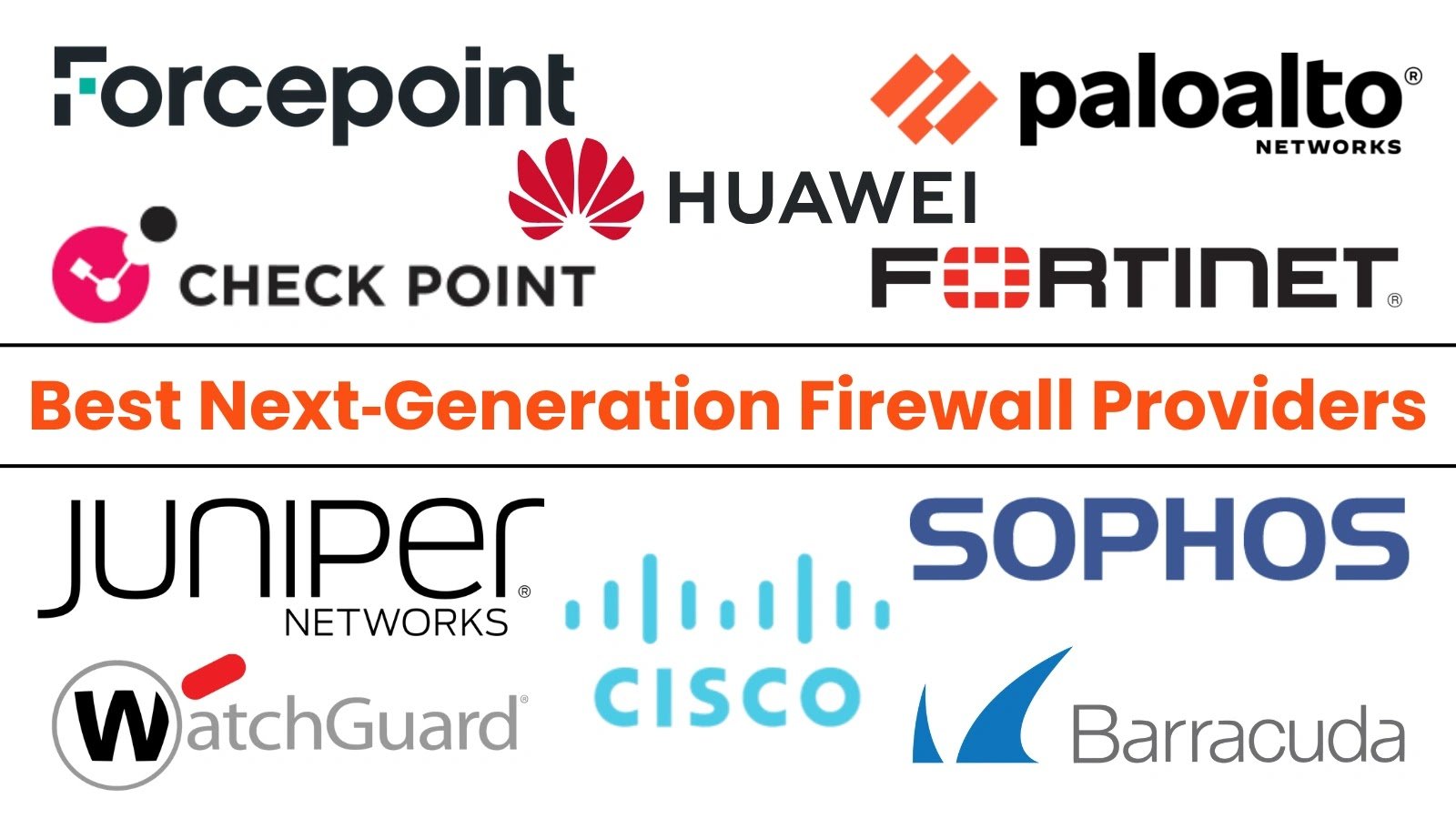
In 2025, digital infrastructure faces an ever-increasing barrage of sophisticated cyber threats, prompting organizations across industries to adopt advanced security solutions like Next-Generation Firewalls (NGFWs). The story revolves around a comparative overview of the top 10 NGFW providers—led by industry giants such as Palo Alto Networks, Fortinet, and Check Point—who have developed cutting-edge platforms empowered with artificial intelligence, deep threat intelligence, and seamless cloud integration. These providers deliver tailored security architectures that safeguard sensitive assets against ransomware, malware, and insider risks, while also supporting scalability and compliance requirements across hybrid environments. The report, compiled by cybersecurity experts and industry analysts, underscores each vendor’s unique advantages—be it Palo Alto’s AI-driven threat detection or Fortinet’s performance-cost balance—along with the challenges such as high costs or complex configurations, emphasizing that choosing the right NGFW is vital for ensuring resilient, adaptive defenses suited to the evolving digital landscape.
The review highlights that these top-tier providers are responding to an escalating demand for robust, flexible, and future-proof security solutions, addressing the needs of enterprises, small-to-midsize businesses, and cloud operators alike. Their platforms offer features like centralized management, modular scalability, and advanced threat prevention, which are essential for maintaining operational integrity amidst fast-changing regulatory environments and expanding business networks. Ultimately, the story reveals that the ongoing development and selection of NGFWs in 2025 are driven by the necessity to defend increasingly complex digital systems, with the report acting as a guidance tool for organizations intent on securing their infrastructure against persistent and emerging cyber threats.
Risks Involved
In 2025, safeguarding digital infrastructure against escalating cyber risks is paramount, as threats like ransomware, malware, phishing, and insider attacks grow increasingly sophisticated, diverse, and relentless. Leading-edge Next-Generation Firewalls (NGFWs) serve as vital defensive pillars, integrating advanced capabilities such as AI-driven threat detection, deep packet inspection, seamless cloud compatibility, and modular scalability to counteract this evolving menace. These security solutions, provided by top providers like Palo Alto Networks, Fortinet, and Check Point, offer tailored protection for enterprises, SMBs, and cloud operators, ensuring resilience through real-time threat intelligence, automated responses, and adaptable architectures. Their deployment fortifies networks against zero-day exploits, encrypted malware, and regulatory violations, ultimately safeguarding critical assets, maintaining operational continuity, and enabling scalable growth amid an increasingly hostile cyber landscape.
Possible Actions
Acting promptly on cybersecurity threats is critical to protecting valuable digital assets and maintaining operational integrity. When it comes to evaluating the "Top 10 Best Next‑Generation Firewall (NGFW) Providers in 2025," timely remediation ensures organizations can swiftly address vulnerabilities, minimize potential damage, and stay ahead of evolving cyber threats.
Mitigation & Remediation Steps
-
Vulnerability Assessment
Conduct thorough vulnerability scans to identify weaknesses. -
Patch Management
Apply firmware and software updates promptly to close security gaps. -
Configuration Review
Regularly audit firewall settings to ensure optimal security configurations. -
Incident Response Planning
Develop and rehearse comprehensive response plans for security breaches. -
User Education
Train staff on best cybersecurity practices to prevent social engineering and insider threats. -
Network Segmentation
Implement segmentation to contain potential breaches and limit their impact. -
Monitoring & Logging
Enable real-time monitoring and maintain logs for early threat detection and forensic analysis. -
Vendor Support Collaboration
Work closely with NGFW providers for tailored advice and timely support during incidents. -
Backup & Recovery
Maintain regular backups and establish rapid recovery procedures to restore operations swiftly. - Continuous Improvement
Regularly update security protocols based on emerging threats and audit findings.
Stay Ahead in Cybersecurity
Stay informed on the latest Threat Intelligence and Cyberattacks.
Learn more about global cybersecurity standards through the NIST Cybersecurity Framework.
Disclaimer: The information provided may not always be accurate or up to date. Please do your own research, as the cybersecurity landscape evolves rapidly. Intended for secondary references purposes only.
Cyberattacks-V1
