

Quick Takeaways
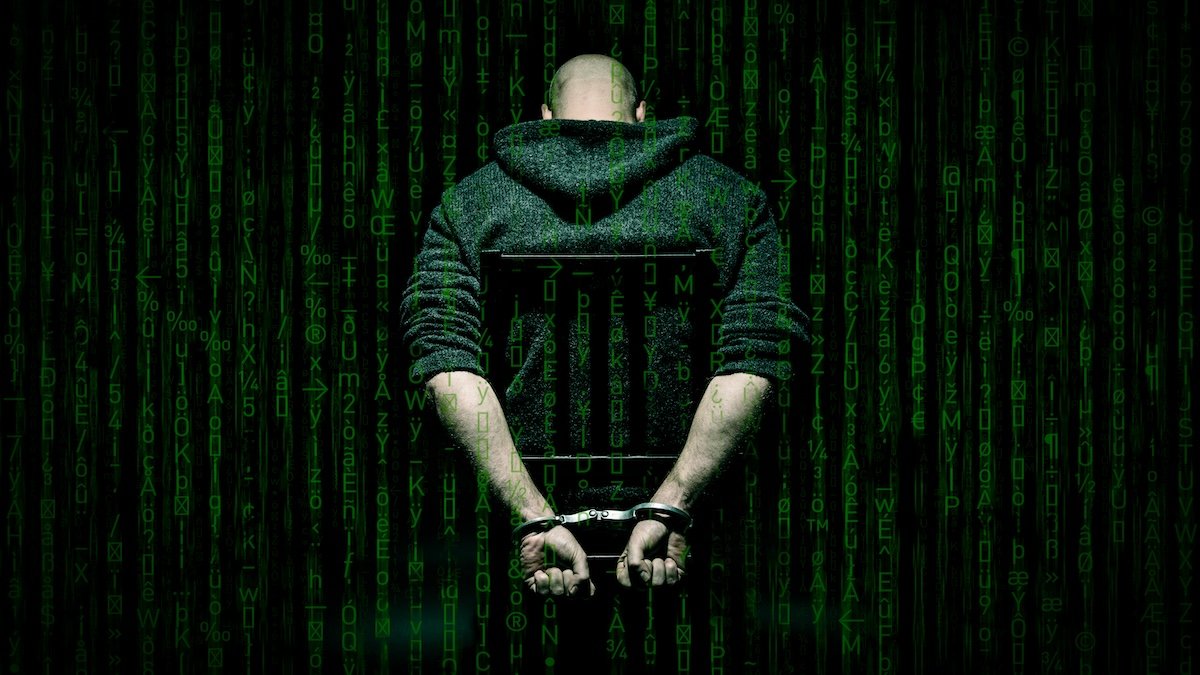
- Two 17-year-old boys in the Netherlands were arrested on suspicions of spying for pro-Russian hackers via Telegram, with one seen near key locations carrying a Wi-Fi sniffer.
- Prosecutors confirmed their links to "government-sponsored interference," with one teenager in custody and the other on home bail with an ankle monitor.
- The boy in custody was arrested while doing homework, with authorities seizing electronic devices, and his father revealed he’s a computer-savvy gamer interested in hacking.
- Similar cases involving Russian hackers recruiting teenagers for minor malicious acts have recently occurred in Germany and Ukraine.
Underlying Problem
In the Netherlands, authorities detained two 17-year-old boys on suspicion of espionage linked to pro-Russian hackers who reportedly recruited them through Telegram, a messaging app favored by cybercriminals. One of the teens was observed near high-profile locations such as Europol, Eurojust, and the Canadian embassy while carrying a Wi-Fi sniffer—an equipment used to map networks and intercept data—raising concerns about potential covert espionage activities. Prosecutors confirmed that the youths are suspected of being involved in “government-sponsored interference,” possibly connected to broader efforts by Russian-backed actors to manipulate or gather intelligence, which aligns with recent incidents in Germany and Ukraine where teenagers were exploited for minor acts of vandalism or to record infrastructure, indicating a pattern of recruitment among youth for cyber operations. The boy in custody was apprehended while doing his homework, and electronic devices were seized for investigation, while his father highlighted his son’s interest and skills in hacking, emphasizing the ease with which young, computer-savvy individuals can be targeted and manipulated by state-sponsored threat actors. The case is set to be reviewed within two weeks, and the arrests are part of a wider concern regarding cyber espionage carried out by foreign actors targeting European countries.
Critical Concerns
The recent arrest of two Dutch teenage boys suspected of espionage for pro-Russian hackers illustrates the escalating cyber risks posed by malicious state-sponsored actors, particularly their exploitation of youth for covert operations. These threat actors frequently leverage popular platforms like Telegram to recruit juvenile targets, who may unwittingly assist in reconnaissance activities, such as Wi-Fi network mapping and data interception, by using devices like Wi-Fi sniffers. Such tactics amplify the danger of cyber espionage, data breaches, and infrastructural sabotage, with adolescents drawn into mild criminal acts—like vandalism or filming critical sites—further blurring legal and security boundaries. These incidents underscore the broader threat landscape where minors, often enticed by fascination or opportunity, can unwittingly serve as pawns in complex cyber conflicts, thereby heightening the urgency for enhanced vigilance, education, and cyber defense strategies against sophisticated threat actors embedding themselves within vulnerable communities.
Possible Action Plan
When Dutch teens are accused of aiding Russian hackers, swift remediation becomes crucial to prevent further illicit activities, safeguard cyber infrastructure, and restore trust in cybersecurity systems. Addressing such incidents promptly not only curtails ongoing threats but also demonstrates a commitment to justice and proactive defense.
Mitigation Measures
- Immediate Investigation: Conduct thorough forensic analysis to understand the scope and methods of involvement.
- Notification Protocols: Inform relevant authorities, including cybersecurity agencies and law enforcement.
- Network Isolation: Quickly isolate compromised systems to prevent malware spread or data theft.
Remediation Strategies
- Legal Action: Pursue appropriate legal proceedings to address criminal activities.
- System Restoration: Upgrade and patch affected systems to eliminate vulnerabilities.
- Education & Awareness: Implement targeted programs to educate teens on cyber ethics and security risks.
- Monitoring & Defense: Establish continuous monitoring to detect and respond to future threats swiftly.
Stay Ahead in Cybersecurity
Explore career growth and education via Careers & Learning, or dive into Compliance essentials.
Understand foundational security frameworks via NIST CSF on Wikipedia.
Disclaimer: The information provided may not always be accurate or up to date. Please do your own research, as the cybersecurity landscape evolves rapidly. Intended for secondary references purposes only.
Cyberattacks-V1
