
Close Menu
  • Home
  • Cybercrime and Ransomware
  • Emerging Tech
  • Threat Intelligence
  • Expert Insights
  • Careers and Learning
  • Compliance

Subscribe to Updates

Subscribe to our newsletter and never miss our latest news

Subscribe my Newsletter for New Posts & tips Let's stay updated!

What's Hot

Google Cloud links Wiz data to threat actors and attack techniques

July 8, 2026

Accenture Data Breach: Hackers Claim to Have Stolen 35 GB of Source Code

July 8, 2026

Rogue Agent: AI Chatbot Data Theft Uncovered

July 7, 2026
Facebook X (Twitter) Instagram
The CISO Brief
  • Home
  • Cybercrime and Ransomware
  • Emerging Tech
  • Threat Intelligence
  • Expert Insights
  • Careers and Learning
  • Compliance
Home » New WireTap Attack Exposes Intel SGX ECDSA Keys via DDR4 Memory
Cyber Updates

New WireTap Attack Exposes Intel SGX ECDSA Keys via DDR4 Memory

Staff WriterBy Staff WriterOctober 2, 2025Updated:October 25, 2025No Comments2 Mins Read8 Views
Facebook Twitter Pinterest LinkedIn Tumblr Email
Share
Facebook Twitter LinkedIn Pinterest WhatsApp Email

Fast Facts

  1. Vulnerability in SGX: Research from Georgia Tech and Purdue reveals Intel’s Software Guard eXtensions (SGX) can be bypassed on DDR4 systems, allowing passive decryption of sensitive data.

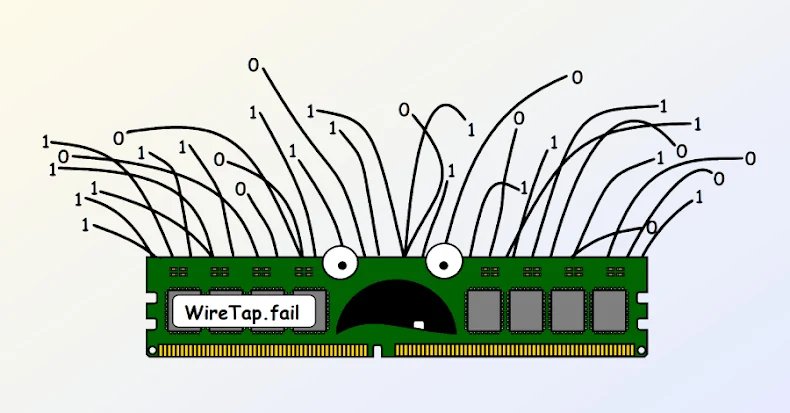
  2. WireTap Attack: The new method, codenamed WireTap, uses a low-cost interposer device to monitor memory traffic, enabling attackers to extract SGX attestation keys and impersonate trusted hardware.

  3. Deterministic Encryption Exploitation: The physical attack leverages deterministic encryption in SGX to recover keys, undermining confidentiality and enabling unauthorized access to encrypted data.

  4. Intel’s Response: Intel states that such exploits are outside their threat model, advising users to operate servers in secure environments and emphasizing limitations in SGX’s protective capabilities against physical adversaries.

New Vulnerability Exploits Intel SGX Security

Recent research from Georgia Institute of Technology and Purdue University unveils a concerning vulnerability in Intel’s Software Guard eXtensions (SGX). This hardware security feature, designed to create a Trusted Execution Environment (TEE), allows applications to operate in isolated enclaves. Unfortunately, the study demonstrates that attackers can bypass these defenses on DDR4 systems.

The researchers crafted an easy-to-use device that passively monitors memory traffic between the CPU and memory module. They claim that using basic electronic tools, anyone can exploit this method to extract sensitive encryption keys from a machine in a seemingly secure state. This revelation raises alarms for users reliant on SGX for keeping their data secure, as it highlights significant flaws in the system’s ability to protect against physical attacks.

Implications for Data Security and Recommendations

The attack, named WireTap, effectively compromises the confidentiality of data protected by SGX. By exploiting the deterministic nature of memory encryption, attackers can not only recover an ECDSA signing key but also manipulate SGX’s attestation mechanism. Such a breach places sensitive applications, like blockchain networks, at risk of unauthorized data access and transaction manipulation.

Intel acknowledged the vulnerability, emphasizing that it falls outside their current threat model, which does not anticipate physical compromises. They recommend users operate servers in secure environments and utilize cloud providers that offer robust physical security measures. With the rising importance of data integrity and confidentiality, organizations must proactively address these vulnerabilities to enhance their overall security posture.

Stay Ahead with the Latest Tech Trends

Dive deeper into the world of Cryptocurrency and its impact on global finance.

Access comprehensive resources on technology by visiting Wikipedia.

DataProtection-V1

Share. Facebook Twitter Pinterest LinkedIn Tumblr Email
Previous Article2025’s Top 10 Brand Protection Solutions for Enterprises
Next Article Red Hat Confirms GitLab Breach Exposing Consulting Data
Avatar photo
Staff Writer
  • Website

John Marcelli is a staff writer for the CISO Brief, with a passion for exploring and writing about the ever-evolving world of technology. From emerging trends to in-depth reviews of the latest gadgets, John stays at the forefront of innovation, delivering engaging content that informs and inspires readers. When he's not writing, he enjoys experimenting with new tech tools and diving into the digital landscape.

Related Posts

Bridging the Critical Confidence Gap in Enterprise AI Security

June 16, 2026

Legal Industry VPNs: Falling to Modern Threats

June 15, 2026

Closing the Gap: The Rising Threat of Third-Party Privileged Access

June 14, 2026

Comments are closed.

Latest Posts

Accenture Data Breach: Hackers Claim to Have Stolen 35 GB of Source Code

July 8, 2026

Hidden Threats: RDP and WinRAR Exploit Target Ukraine

July 7, 2026

Disrupting Ransomware: How VECT and TeamPCP Counter Supply Chain Credential Theft

July 7, 2026

The Gentlemen Ransomware: Accelerating Global Attacks with Custom EDR/AV Killers

July 7, 2026
Don't Miss

Bridging the Critical Confidence Gap in Enterprise AI Security

By Staff WriterJune 16, 2026

Summary Points Current AI security testing methods, like tabletop exercises, fail to reveal how AI…

Legal Industry VPNs: Falling to Modern Threats

June 15, 2026

Closing the Gap: The Rising Threat of Third-Party Privileged Access

June 14, 2026

Subscribe to Updates

Subscribe to our newsletter and never miss our latest news

Subscribe my Newsletter for New Posts & tips Let's stay updated!

Recent Posts

  • Google Cloud links Wiz data to threat actors and attack techniques
  • Accenture Data Breach: Hackers Claim to Have Stolen 35 GB of Source Code
  • Rogue Agent: AI Chatbot Data Theft Uncovered
  • Hidden Threats: RDP and WinRAR Exploit Target Ukraine
  • Disrupting Ransomware: How VECT and TeamPCP Counter Supply Chain Credential Theft
About Us
About Us

Welcome to The CISO Brief, your trusted source for the latest news, expert insights, and developments in the cybersecurity world.

In today’s rapidly evolving digital landscape, staying informed about cyber threats, innovations, and industry trends is critical for professionals and organizations alike. At The CISO Brief, we are committed to providing timely, accurate, and insightful content that helps security leaders navigate the complexities of cybersecurity.

Facebook X (Twitter) Pinterest YouTube WhatsApp
Our Picks

Google Cloud links Wiz data to threat actors and attack techniques

July 8, 2026

Accenture Data Breach: Hackers Claim to Have Stolen 35 GB of Source Code

July 8, 2026

Rogue Agent: AI Chatbot Data Theft Uncovered

July 7, 2026
Most Popular

Protecting MCP Security: Defeating Prompt Injection & Tool Poisoning

January 30, 202634 Views

Unlock the Power of Free WormGPT: Harnessing DeepSeek, Gemini, and Kimi-K2 AI Models

November 27, 202530 Views

The New Face of DDoS is Impacted by AI

August 4, 202528 Views

Archives

  • July 2026
  • June 2026
  • May 2026
  • April 2026
  • March 2026
  • February 2026
  • January 2026
  • December 2025
  • November 2025
  • October 2025
  • September 2025
  • August 2025
  • July 2025
  • June 2025

Categories

  • Compliance
  • Cyber Updates
  • Cybercrime and Ransomware
  • Editor's pick
  • Emerging Tech
  • Events
  • Featured
  • Insights
  • Most Read
  • Threat Intelligence
  • Uncategorized
© 2026 thecisobrief. Designed by thecisobrief.
  • Home
  • About Us
  • Advertise with Us
  • Contact Us
  • DMCA
  • Privacy Policy
  • Terms & Conditions

Type above and press Enter to search. Press Esc to cancel.