
Close Menu
  • Home
  • Cybercrime and Ransomware
  • Emerging Tech
  • Threat Intelligence
  • Expert Insights
  • Careers and Learning
  • Compliance

Subscribe to Updates

Subscribe to our newsletter and never miss our latest news

Subscribe my Newsletter for New Posts & tips Let's stay updated!

What's Hot

Attackers Exploit SharePoint Authentication Bypass Post-PoC Release

September 25, 2026

AI Identifies Dark Web Cyber Threats in Text and Images

September 25, 2026

Revolutionize HR to Block IT Worker Scams

September 25, 2026
Facebook X (Twitter) Instagram
The CISO Brief
  • Home
  • Cybercrime and Ransomware
  • Emerging Tech
  • Threat Intelligence
  • Expert Insights
  • Careers and Learning
  • Compliance
Home » Identity Fraud in Home Care: A Hidden Risk to Patients
Compliance

Identity Fraud in Home Care: A Hidden Risk to Patients

Staff WriterBy Staff WriterDecember 19, 2025No Comments3 Mins Read11 Views
Facebook Twitter Pinterest LinkedIn Tumblr Email
Share
Facebook Twitter LinkedIn Pinterest WhatsApp Email

Top Highlights

  1. Rising Fraud: Cases of healthcare fraud, particularly in home care, are escalating as workers send unqualified individuals to impersonate them during shifts, risking patient safety and wellbeing.

  2. Impersonation Concerns: Identity fraud remains a significant and recurring issue in healthcare, with reports of fraudulent practices observed for over a decade and increasing scrutiny from organizations like the Department of Health and Human Services.

  3. Insufficient Measures: Current verification strategies, such as geolocation and electronic visit verification, are often compromised due to weak security protocols, leading to serious consequences, including patient neglect and adverse health outcomes.

  4. Need for Enhanced Security: Effective solutions require multi-faceted approaches combining biometric authentication and robust identity verification processes to mitigate the escalating threat of identity fraud in healthcare settings.

Rising Concerns of Identity Fraud in Home Care

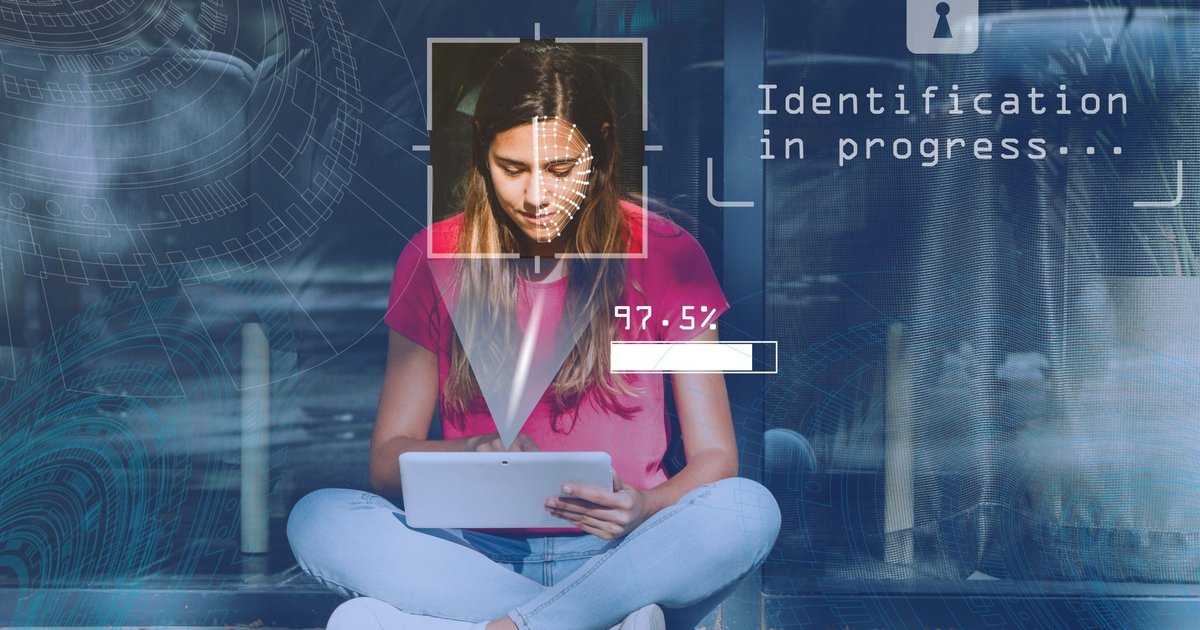
Cases of identity fraud among home care workers are increasing, putting patients at significant risk. Many fraud cases involve workers misusing their patients’ personal information or billing services for illicit financial gain. Moreover, a troubling trend has emerged where home care workers send unqualified friends or family members to care for patients under false identities.

Conor White, president of a biometrics company, highlights that impersonation is a recurring issue in healthcare. This problem has persisted for years, yet recent actions by various healthcare organizations may signal a shift in how institutions address accountability. For instance, biometric authentication combined with location verification could significantly reduce these instances of fraud. However, the fact remains that patients may not receive the care they need. Tragically, some have even become sicker or have died due to inadequate care.

Fraud in a Tight Labor Market

The demand for home care services has surged, especially as the elderly population grows. However, labor shortages in healthcare create an environment ripe for abuse. Reports indicate that the number of fraud convictions among personal care assistants is significantly high, with hundreds of cases documented recently.

Various incidents illustrate the widespread nature of this issue. For example, in Ohio, several Medicaid providers faced charges for fraud, with one worker sending unqualified individuals to fill their shifts. Across the ocean, a man in the UK received a prison sentence for impersonating a nurse. Meanwhile, reports from Maine reveal concerns about electronic monitoring systems being manipulated to fabricate caregiver visit logs.

Identity fraud like this raises critical questions about the responsibility of home care agencies to verify the identities of their workers. While some perpetrators may have benign motives, the consequences for patients can be severe. Robust identity verification measures become essential in ensuring patient safety and preventing this growing trend from further endangering vulnerable populations.

Discover More Technology Insights

Learn how the Internet of Things (IoT) is transforming everyday life.

Discover archived knowledge and digital history on the Internet Archive.

CyberRisk-V1

Share. Facebook Twitter Pinterest LinkedIn Tumblr Email
Previous ArticleAI-Driven Attacks Reshape Cyber Risks in Transportation
Next Article Preparing for the Unavoidable: Cyber Leaders’ 2026 Playbook
Avatar photo
Staff Writer
  • Website

John Marcelli is a staff writer for the CISO Brief, with a passion for exploring and writing about the ever-evolving world of technology. From emerging trends to in-depth reviews of the latest gadgets, John stays at the forefront of innovation, delivering engaging content that informs and inspires readers. When he's not writing, he enjoys experimenting with new tech tools and diving into the digital landscape.

Related Posts

Revolutionize HR to Block IT Worker Scams

September 25, 2026

Summer 2026’s Top 3 Cyber Threats: What You Need to Know

September 24, 2026

Protect Your Supply Chain: The Hidden Threat of GitLab Email Exploits

September 23, 2026

Comments are closed.

Latest Posts

Attackers Exploit SharePoint Authentication Bypass Post-PoC Release

September 25, 2026

Apple Alerts: 110 Countries at Risk of Spyware Attacks

September 22, 2026

Urgent: Exploitation of SAP Commerce Cloud CVE-2026-58231 Sparks Immediate Threat

September 19, 2026

Suspected China-Linked Group Exploits VMware Flaw to Launch Babuk Ransomware

September 16, 2026
Don't Miss

Revolutionize HR to Block IT Worker Scams

By Staff WriterSeptember 25, 2026

Essential Insights Nisos successfully infiltrated and monitored a suspected North Korean operative applying for remote…

Summer 2026’s Top 3 Cyber Threats: What You Need to Know

September 24, 2026

Protect Your Supply Chain: The Hidden Threat of GitLab Email Exploits

September 23, 2026

Subscribe to Updates

Subscribe to our newsletter and never miss our latest news

Subscribe my Newsletter for New Posts & tips Let's stay updated!

Recent Posts

  • Attackers Exploit SharePoint Authentication Bypass Post-PoC Release
  • AI Identifies Dark Web Cyber Threats in Text and Images
  • Revolutionize HR to Block IT Worker Scams
  • Cohesity maps 5-step plan to accelerate ransomware recovery
  • Macfinger ClickFix Campaign Deploys Stealthy Malware via Clicks
About Us
About Us

Welcome to The CISO Brief, your trusted source for the latest news, expert insights, and developments in the cybersecurity world.

In today’s rapidly evolving digital landscape, staying informed about cyber threats, innovations, and industry trends is critical for professionals and organizations alike. At The CISO Brief, we are committed to providing timely, accurate, and insightful content that helps security leaders navigate the complexities of cybersecurity.

Facebook X (Twitter) Pinterest YouTube WhatsApp
Our Picks

Attackers Exploit SharePoint Authentication Bypass Post-PoC Release

September 25, 2026

AI Identifies Dark Web Cyber Threats in Text and Images

September 25, 2026

Revolutionize HR to Block IT Worker Scams

September 25, 2026
Most Popular

Gefährliche Angriffe: Wie Cyberkriminelle Ihre Identität angreifen

January 29, 2026219 Views

CISA Alerts: Critical Vulnerability in Splunk Enterprise Under Active Attack

June 19, 2026212 Views

Salesforce Disables Klue App After Data Breach from Token Abuse

June 19, 2026210 Views

Archives

  • September 2026
  • August 2026
  • July 2026
  • June 2026
  • May 2026
  • April 2026
  • March 2026
  • February 2026
  • January 2026
  • December 2025
  • November 2025
  • October 2025
  • September 2025
  • August 2025
  • July 2025
  • June 2025

Categories

  • Compliance
  • Cyber Updates
  • Cybercrime and Ransomware
  • Editor's pick
  • Emerging Tech
  • Events
  • Featured
  • Insights
  • Most Read
  • Threat Intelligence
  • Uncategorized
© 2026 thecisobrief. Designed by thecisobrief.
  • Home
  • About Us
  • Advertise with Us
  • Contact Us
  • DMCA
  • Privacy Policy
  • Terms & Conditions

Type above and press Enter to search. Press Esc to cancel.