

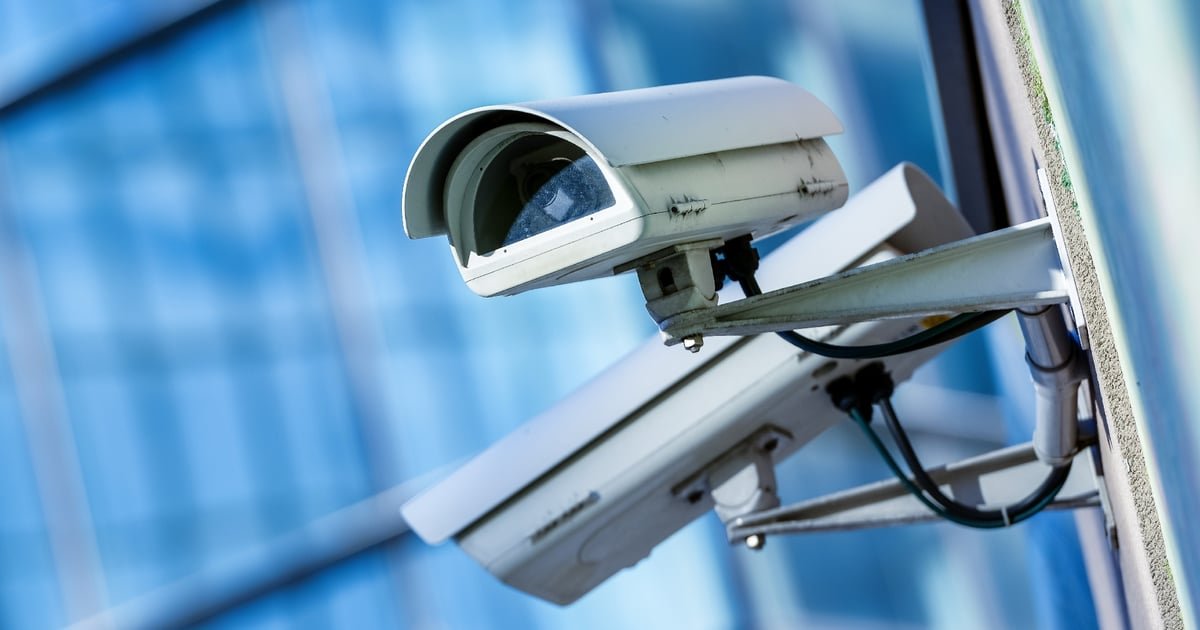
Top Highlights
- Compromised IP cameras are now strategic assets used by nations like Russia, Ukraine, Iran, the US, and Israel for intelligence, surveillance, and targeted strikes.
- Attacks on these devices have shifted from simple vandalism to sophisticated espionage and military applications, highlighting the need for better security practices.
- The most vulnerable devices are outdated, shadow, or consumer-grade IoT cameras that remain unpatched and unsecured, especially those connected to public networks.
- Organizations should implement robust cyber hygiene—regular patching, strong passwords, and network protections—to mitigate risks of government and criminal exploitation.
Wartime Tactics Show the Growing Danger of IP Cameras
Recently, compromised IP cameras have played a larger role in military conflicts. Instead of just being hacked for fun or privacy invasion, these devices now serve strategic purposes. For example, Russian and Ukrainian forces have used hacked cameras to spy on each other. Similarly, Iran has taken control of devices to carry out targeted attacks. Sometimes, nations even rely on them for complex operations, such as identifying enemy movements or planning strikes. A notable case involved Israel and the US hijacking Iran’s traffic cameras to gather intelligence. They monitored protesters and the Iranian leader’s activities before executing a successful airstrike. This shift shows that IP cameras are now seen as valuable military assets, beyond their usual uses. Their exploitation increases risks, especially when devices stay unpatched or use default passwords. As these cameras become tools for wartime strategies, organizations worldwide must recognize their potential threats. Proper security measures are necessary to prevent malicious control and espionage.
Risks and Recommendations for Protecting Cameras and Devices
The use of hacked IP cameras in conflicts reveals their vulnerability. Many cameras are legacy devices still connected to the internet without proper security. Often, outdated or shadow devices are the easiest targets. These vulnerabilities let attackers gain direct access to sensitive areas or critical infrastructure. Experts advise organizations to prioritize regular updates and strong passwords for all devices. Additionally, companies should scan their networks to find unprotected or outdated cameras. Defense in depth, such as firewalls with intrusion prevention, can help create an extra layer of security. Recognizing that many devices are self-managed consumer products, users should be cautious about leaving default settings in place. Maintaining good cyber hygiene can reduce the risk of being caught in a geopolitical or criminal attack. As conflicts evolve, so must the strategies to keep connected devices safe and secure from exploitation.
Discover More Technology Insights
Stay informed on the revolutionary breakthroughs in Quantum Computing research.
Explore past and present digital transformations on the Internet Archive.
CyberRisk-V1
