
Close Menu
  • Home
  • Cybercrime and Ransomware
  • Emerging Tech
  • Threat Intelligence
  • Expert Insights
  • Careers and Learning
  • Compliance

Subscribe to Updates

Subscribe to our newsletter and never miss our latest news

Subscribe my Newsletter for New Posts & tips Let's stay updated!

What's Hot

LiteLLM Probes Suspected GitHub Token Leak After Malicious Release

October 22, 2026

SafePay Hits 600 Critical Organizations—Patch Now, Harden Networks

October 22, 2026

PHP Vulnerabilities Threaten Major Companies

October 22, 2026
Facebook X (Twitter) Instagram
The CISO Brief
  • Home
  • Cybercrime and Ransomware
  • Emerging Tech
  • Threat Intelligence
  • Expert Insights
  • Careers and Learning
  • Compliance
Home » Hidden Threats: How Compromised IP Cameras Endanger Us All
Compliance

Hidden Threats: How Compromised IP Cameras Endanger Us All

Staff WriterBy Staff WriterMarch 27, 2026No Comments3 Mins Read9 Views
Facebook Twitter Pinterest LinkedIn Tumblr Email
Share
Facebook Twitter LinkedIn Pinterest WhatsApp Email

Top Highlights

  1. Compromised IP cameras are now strategic assets used by nations like Russia, Ukraine, Iran, the US, and Israel for intelligence, surveillance, and targeted strikes.
  2. Attacks on these devices have shifted from simple vandalism to sophisticated espionage and military applications, highlighting the need for better security practices.
  3. The most vulnerable devices are outdated, shadow, or consumer-grade IoT cameras that remain unpatched and unsecured, especially those connected to public networks.
  4. Organizations should implement robust cyber hygiene—regular patching, strong passwords, and network protections—to mitigate risks of government and criminal exploitation.

Wartime Tactics Show the Growing Danger of IP Cameras

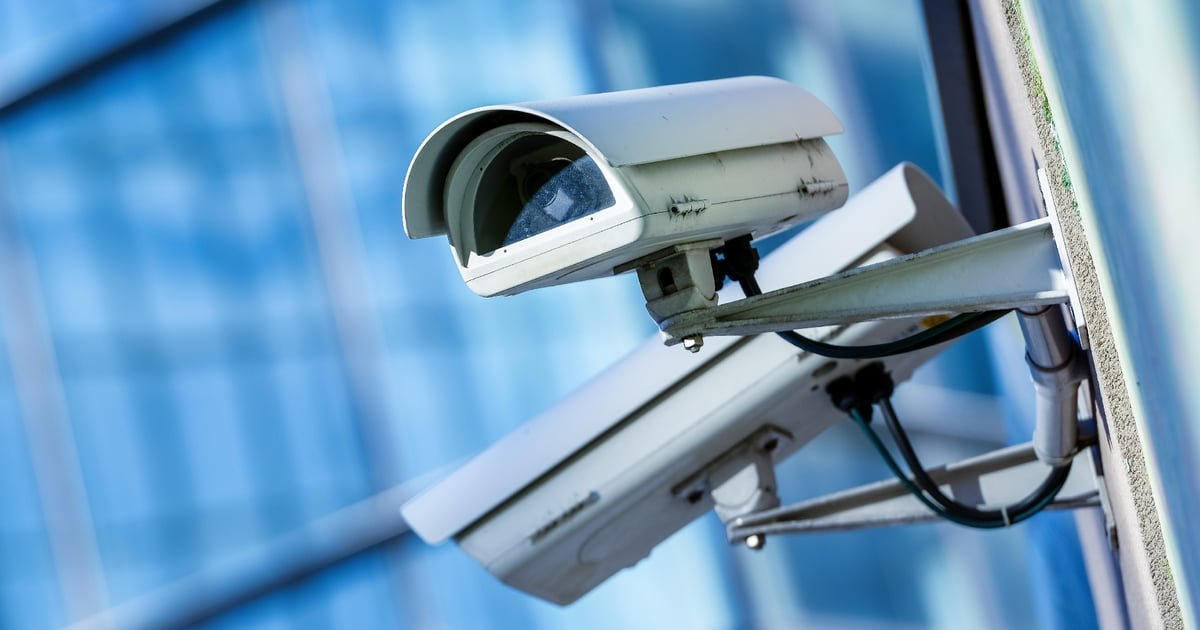
Recently, compromised IP cameras have played a larger role in military conflicts. Instead of just being hacked for fun or privacy invasion, these devices now serve strategic purposes. For example, Russian and Ukrainian forces have used hacked cameras to spy on each other. Similarly, Iran has taken control of devices to carry out targeted attacks. Sometimes, nations even rely on them for complex operations, such as identifying enemy movements or planning strikes. A notable case involved Israel and the US hijacking Iran’s traffic cameras to gather intelligence. They monitored protesters and the Iranian leader’s activities before executing a successful airstrike. This shift shows that IP cameras are now seen as valuable military assets, beyond their usual uses. Their exploitation increases risks, especially when devices stay unpatched or use default passwords. As these cameras become tools for wartime strategies, organizations worldwide must recognize their potential threats. Proper security measures are necessary to prevent malicious control and espionage.

Risks and Recommendations for Protecting Cameras and Devices

The use of hacked IP cameras in conflicts reveals their vulnerability. Many cameras are legacy devices still connected to the internet without proper security. Often, outdated or shadow devices are the easiest targets. These vulnerabilities let attackers gain direct access to sensitive areas or critical infrastructure. Experts advise organizations to prioritize regular updates and strong passwords for all devices. Additionally, companies should scan their networks to find unprotected or outdated cameras. Defense in depth, such as firewalls with intrusion prevention, can help create an extra layer of security. Recognizing that many devices are self-managed consumer products, users should be cautious about leaving default settings in place. Maintaining good cyber hygiene can reduce the risk of being caught in a geopolitical or criminal attack. As conflicts evolve, so must the strategies to keep connected devices safe and secure from exploitation.

Discover More Technology Insights

Stay informed on the revolutionary breakthroughs in Quantum Computing research.

Explore past and present digital transformations on the Internet Archive.

CyberRisk-V1

Share. Facebook Twitter Pinterest LinkedIn Tumblr Email
Previous ArticleInfrastructure Attacks Down 25% with Fewer Physical Consequences
Next Article FBI Chief’s Gmail Hacked by Iranian Hackers
Avatar photo
Staff Writer
  • Website

John Marcelli is a staff writer for the CISO Brief, with a passion for exploring and writing about the ever-evolving world of technology. From emerging trends to in-depth reviews of the latest gadgets, John stays at the forefront of innovation, delivering engaging content that informs and inspires readers. When he's not writing, he enjoys experimenting with new tech tools and diving into the digital landscape.

Related Posts

CyberBOT Launches Cybersecurity Training Program

October 21, 2026

SecTor 2026 Unveils a Rapidly Evolving Cybersecurity Frontier

October 15, 2026

Prioritizing Context Over Scores in Vulnerability Management

October 15, 2026

Comments are closed.

Latest Posts

SafePay Hits 600 Critical Organizations—Patch Now, Harden Networks

October 22, 2026

Railway Hackers May Have Accessed Customer Environment Variables

October 22, 2026

Critical PHP Flaws Spark Emergency Patch Rush

October 21, 2026

PHP Races to Fix Two Critical Security Flaws

October 21, 2026
Don't Miss

CyberBOT Launches Cybersecurity Training Program

By Staff WriterOctober 21, 2026

Summary Points Optiv launched CyberBOT, a free cybersecurity learning program for schools, nonprofits and communities.…

SecTor 2026 Unveils a Rapidly Evolving Cybersecurity Frontier

October 15, 2026

Prioritizing Context Over Scores in Vulnerability Management

October 15, 2026

Subscribe to Updates

Subscribe to our newsletter and never miss our latest news

Subscribe my Newsletter for New Posts & tips Let's stay updated!

Recent Posts

  • LiteLLM Probes Suspected GitHub Token Leak After Malicious Release
  • SafePay Hits 600 Critical Organizations—Patch Now, Harden Networks

  • PHP Vulnerabilities Threaten Major Companies
  • Railway Hackers May Have Accessed Customer Environment Variables

  • Critical PHP Flaws Spark Emergency Patch Rush

About Us
About Us

Welcome to The CISO Brief, your trusted source for the latest news, expert insights, and developments in the cybersecurity world.

In today’s rapidly evolving digital landscape, staying informed about cyber threats, innovations, and industry trends is critical for professionals and organizations alike. At The CISO Brief, we are committed to providing timely, accurate, and insightful content that helps security leaders navigate the complexities of cybersecurity.

Facebook X (Twitter) Pinterest YouTube WhatsApp
Our Picks

LiteLLM Probes Suspected GitHub Token Leak After Malicious Release

October 22, 2026

SafePay Hits 600 Critical Organizations—Patch Now, Harden Networks

October 22, 2026

PHP Vulnerabilities Threaten Major Companies

October 22, 2026
Most Popular

Gefährliche Angriffe: Wie Cyberkriminelle Ihre Identität angreifen

January 29, 2026310 Views

Salesforce Disables Klue App After Data Breach from Token Abuse

June 19, 2026215 Views

CISA Alerts: Critical Vulnerability in Splunk Enterprise Under Active Attack

June 19, 2026214 Views

Archives

  • October 2026
  • September 2026
  • August 2026
  • July 2026
  • June 2026
  • May 2026
  • April 2026
  • March 2026
  • February 2026
  • January 2026
  • December 2025
  • November 2025
  • October 2025
  • September 2025
  • August 2025
  • July 2025
  • June 2025

Categories

  • Compliance
  • Cyber Updates
  • Cybercrime and Ransomware
  • Editor's pick
  • Emerging Tech
  • Events
  • Featured
  • Insights
  • Most Read
  • Threat Intelligence
  • Uncategorized
© 2026 thecisobrief. Designed by thecisobrief.
  • Home
  • About Us
  • Advertise with Us
  • Contact Us
  • DMCA
  • Privacy Policy
  • Terms & Conditions

Type above and press Enter to search. Press Esc to cancel.