
Close Menu
  • Home
  • Cybercrime and Ransomware
  • Emerging Tech
  • Threat Intelligence
  • Expert Insights
  • Careers and Learning
  • Compliance

Subscribe to Updates

Subscribe to our newsletter and never miss our latest news

Subscribe my Newsletter for New Posts & tips Let's stay updated!

What's Hot

Scattered Spider Member Extradited to U.S.

July 2, 2026

South Korea Denies Discrimination Allegations Against Coupang

July 2, 2026

Critical Vulnerability Lets Hackers Read Arbitrary Files on Cisco Catalyst Center

July 2, 2026
Facebook X (Twitter) Instagram
The CISO Brief
  • Home
  • Cybercrime and Ransomware
  • Emerging Tech
  • Threat Intelligence
  • Expert Insights
  • Careers and Learning
  • Compliance
Home » Microsoft Warns of Phishing Campaign Targeting 35,000 Users Worldwide
Uncategorized

Microsoft Warns of Phishing Campaign Targeting 35,000 Users Worldwide

Staff WriterBy Staff WriterMay 6, 2026No Comments3 Mins Read4 Views
Facebook Twitter Pinterest LinkedIn Tumblr Email
Share
Facebook Twitter LinkedIn Pinterest WhatsApp Email

Top Highlights

  1. Microsoft detected a large credential theft campaign targeting over 35,000 users worldwide, using sophisticated, enterprise-like phishing emails to lure victims.
  2. The campaign employed legitimate email services, convincing HTML templates, and urgency tactics to bypass defenses and harvest Microsoft credentials through real-time AiTM phishing.
  3. Phishing tactics evolved in 2026 with a rapid rise in QR code scams (+146%) and CAPTCHA-based attacks, primarily aiming for credential theft, with malware delivery significantly declining.
  4. Threat actors increasingly abuse trusted services like Amazon SES and alternative hosting providers, making phishing and BEC attacks more persistent and harder to detect.

Microsoft Uncovers a Large-Scale Phishing Attack Across Multiple Countries

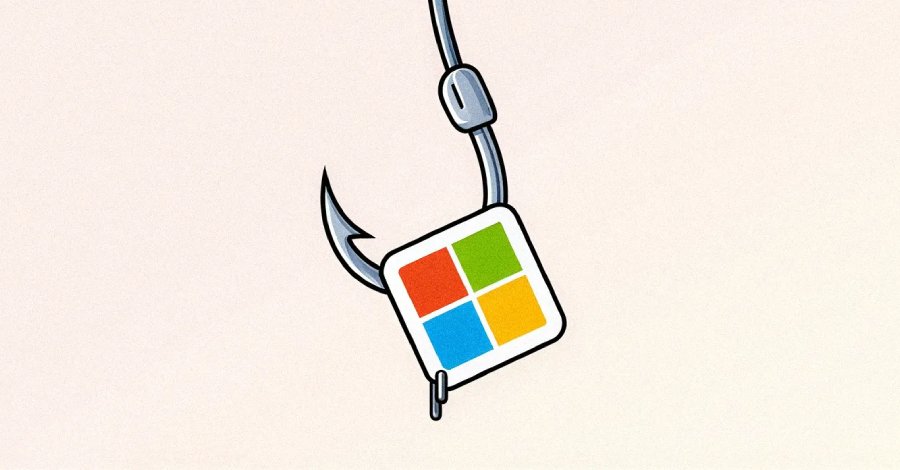
Recently, Microsoft revealed details about a widespread phishing campaign targeting over 35,000 users in 26 countries. The attack lasted from April 14 to 16, 2026, and primarily affected organizations in healthcare, finance, professional services, and technology sectors. Attackers used sophisticated emails designed to look like official internal messages. These emails contained convincing HTML templates and false authenticity claims, which increased their credibility. Additionally, they used urgency tactics, such as accusations and time-sensitive prompts, to pressure recipients into clicking malicious links. The emails often featured titles like “Internal case log issued under conduct policy” and appeared to be issued through legitimate internal channels. Once clicked, victims were directed through multiple steps, including CAPTCHA tests and intermediate pages, making it harder for automated defenses to detect the scam.

Widespread Trends and Methods in Phishing and BEC Campaigns

This campaign highlights the evolving tactics used by cybercriminals in 2026. Microsoft analysis indicates that QR code phishing has become the fastest-growing attack vector, with a 146% increase from January to March. Attackers now embed QR codes directly into emails, disguising malicious destinations or linking to harmful apps. Business email compromise (BEC) scams remain prevalent, with over 10 million reported attacks. Notably, cybercriminals have shifted to using trusted services, such as Amazon Simple Email Service (SES), to bypass email security measures. They hijack legitimate cloud infrastructure by stealing AWS access keys, allowing for large volumes of convincing phishing emails. Meanwhile, threat actors continue leveraging advanced techniques, including CAPTCHA checks and adversary-in-the-middle tactics, to harvest credentials and tokens in real-time. This trend reflects the ongoing arms race between cybersecurity defenses and malicious actors, emphasizing the importance of vigilance and updated protection measures for organizations worldwide.

Stay Ahead with the Latest Tech Trends

Dive deeper into the world of Cryptocurrency and its impact on global finance.

Discover archived knowledge and digital history on the Internet Archive.

DataProtection-V1

Share. Facebook Twitter Pinterest LinkedIn Tumblr Email
Previous ArticleUnlocking Chrome: A New Way to Bypass Encryption
Next Article API Flaw Exposes Military Course Data & Service Records
Avatar photo
Staff Writer
  • Website

John Marcelli is a staff writer for the CISO Brief, with a passion for exploring and writing about the ever-evolving world of technology. From emerging trends to in-depth reviews of the latest gadgets, John stays at the forefront of innovation, delivering engaging content that informs and inspires readers. When he's not writing, he enjoys experimenting with new tech tools and diving into the digital landscape.

Related Posts

South Korea Denies Discrimination Allegations Against Coupang

July 2, 2026

Salesforce Disables Klue App After Data Breach from Token Abuse

June 19, 2026

Stay Safe: Top Tech Tip to Avoid World Cup Ticket Scams Online

June 18, 2026

Comments are closed.

Latest Posts

Scattered Spider Member Extradited to U.S.

July 2, 2026

Critical Vulnerability Lets Hackers Read Arbitrary Files on Cisco Catalyst Center

July 2, 2026

JADEPUFFER Ransomware Uses Base64 Python Payloads to Steal Cloud & API Keys

July 2, 2026

Browser-Only Ransomware Hacks Chrome API to Encrypt Android Photos

July 2, 2026
Don't Miss

South Korea Denies Discrimination Allegations Against Coupang

By Staff WriterJuly 2, 2026

Top Highlights South Korea disputes the U.S. House Judiciary Committee’s report, asserting its investigation into…

Salesforce Disables Klue App After Data Breach from Token Abuse

June 19, 2026

Stay Safe: Top Tech Tip to Avoid World Cup Ticket Scams Online

June 18, 2026

Subscribe to Updates

Subscribe to our newsletter and never miss our latest news

Subscribe my Newsletter for New Posts & tips Let's stay updated!

Recent Posts

  • Scattered Spider Member Extradited to U.S.
  • South Korea Denies Discrimination Allegations Against Coupang
  • Critical Vulnerability Lets Hackers Read Arbitrary Files on Cisco Catalyst Center
  • JADEPUFFER Ransomware Uses Base64 Python Payloads to Steal Cloud & API Keys
  • ToddyCat-linked malware exploits OAuth to access Gmail accounts
About Us
About Us

Welcome to The CISO Brief, your trusted source for the latest news, expert insights, and developments in the cybersecurity world.

In today’s rapidly evolving digital landscape, staying informed about cyber threats, innovations, and industry trends is critical for professionals and organizations alike. At The CISO Brief, we are committed to providing timely, accurate, and insightful content that helps security leaders navigate the complexities of cybersecurity.

Facebook X (Twitter) Pinterest YouTube WhatsApp
Our Picks

Scattered Spider Member Extradited to U.S.

July 2, 2026

South Korea Denies Discrimination Allegations Against Coupang

July 2, 2026

Critical Vulnerability Lets Hackers Read Arbitrary Files on Cisco Catalyst Center

July 2, 2026
Most Popular

Protecting MCP Security: Defeating Prompt Injection & Tool Poisoning

January 30, 202633 Views

Unlock the Power of Free WormGPT: Harnessing DeepSeek, Gemini, and Kimi-K2 AI Models

November 27, 202530 Views

The New Face of DDoS is Impacted by AI

August 4, 202528 Views

Archives

  • July 2026
  • June 2026
  • May 2026
  • April 2026
  • March 2026
  • February 2026
  • January 2026
  • December 2025
  • November 2025
  • October 2025
  • September 2025
  • August 2025
  • July 2025
  • June 2025

Categories

  • Compliance
  • Cyber Updates
  • Cybercrime and Ransomware
  • Editor's pick
  • Emerging Tech
  • Events
  • Featured
  • Insights
  • Most Read
  • Threat Intelligence
  • Uncategorized
© 2026 thecisobrief. Designed by thecisobrief.
  • Home
  • About Us
  • Advertise with Us
  • Contact Us
  • DMCA
  • Privacy Policy
  • Terms & Conditions

Type above and press Enter to search. Press Esc to cancel.