

Top Highlights
- South Korea disputes the U.S. House Judiciary Committee’s report, asserting its investigation into Coupang was lawful and non-discriminatory.
- The record 625 billion won fine was due to a massive data breach affecting over 37 million customers, with Coupang accused of inadequate security measures.
- Officials deny allegations of discriminatory tactics, emphasizing that actions against Coupang were driven by legal compliance and protecting consumer data.
- Despite the fine, Coupang plans to challenge the ruling, highlighting efforts to improve data security and foster U.S.-Korea economic ties.
[gptA technology journalist, write a short news story divided in two subheadings, at 12th grade reading level about ‘South Korea disputes US report claiming Coupang discrimination’in short sentences using transition words, in an informative and explanatory tone, from the perspective of an insightful Tech News Editor, ensure clarity, consistency, and accessibility. Use concise, factual language and avoid jargon that may confuse readers. Maintain a neutral yet engaging tone to provide balanced perspectives on practicality, possible widespread adoption, and contribution to the human journey. Avoid passive voice. The article should provide relatable insights based on the following information ‘
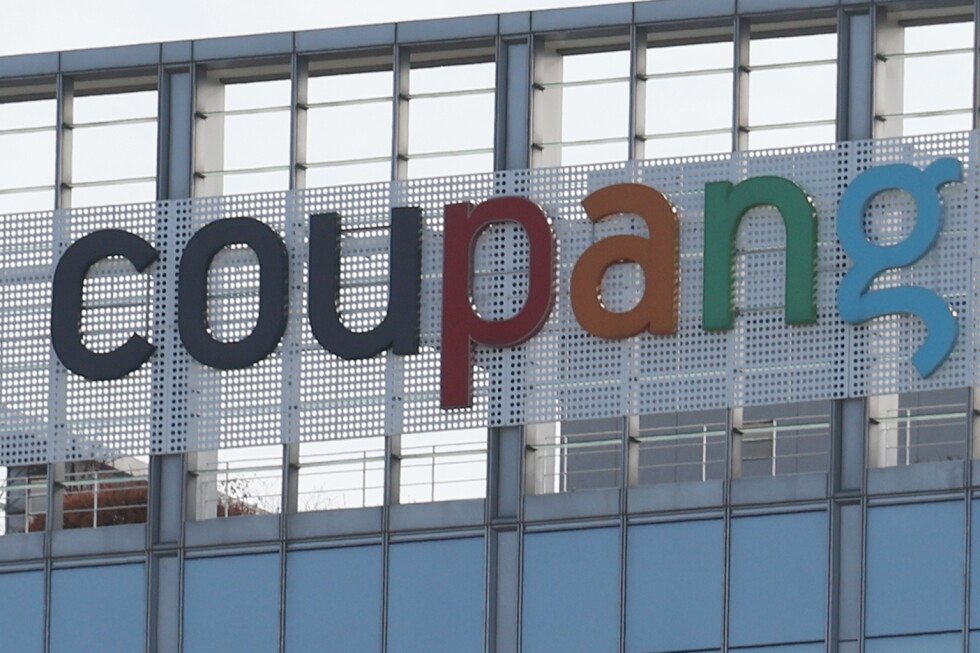
SEOUL, South Korea (AP) — South Korea’s government on Thursday disputed a U.S. congressional report accusing Seoul of discriminating against Coupang, a U.S.-listed electronic commerce giant that was hit with a record 625 billion won ($403 million) fine in June over a massive data breach affecting millions of South Korean customers.
South Korea Foreign Ministry spokesperson Park Il expressed regret over Wednesday’s report by the House Judiciary Committee, saying it reflected “only Coupang’s unilateral claims” and failed to include Seoul’s position.
South Korean authorities’ investigation into Coupang and the measures taken against the company were carried out under domestic law, he said, denying Seoul had subjected Coupang to discrimination or unfair regulation.
The U.S. committee’s 35-page report accused South Korea’s antitrust authorities of using “coercive investigation tactics” and waging a “harassment campaign” against Coupang and argued the actions highlight escalating discrimination against American-owned businesses.
“Our handling of the Coupang case has focused on handling the personal data breach and protecting consumers, and our investigation into the company and the related measures have been carried out lawfully and without discrimination under relevant domestic laws,” Park said.
The suggestion that South Korea’s government “carried out discriminatory investigations” and “imposed unfair regulations” on the company was not consistent with the facts, Park said.
After fining Coupang in June over a massive 2025 data breach, South Korea’s Personal Information Protection Commission said the personal information of more than 37 million people had been exposed, including 33 million Coupang customers.
The breach, which Coupang failed to report within 72-hour period required by law, reflected the company’s inadequate security awareness and safeguards, according to the commission, which noted the breach didn’t involve sophisticated hacking techniques and could have been prevented relatively easily.
A former Coupang employee gained unauthorized access to customer accounts with a stolen security key. The company’s lax security allowed the unidentified Chinese developer to continue accessing all customer personal information even after leaving the company, South Korean officials said.
Coupang apologized for the breach but said it would challenge the fine in an administrative court, accusing the privacy regulator of failing to properly consider the company’s efforts to strengthen safeguards and prevent further harm.
“We regret the circumstances that led to the House Judiciary Committee’s investigation, and we remain committed to finding a constructive resolution so Coupang can once again serve as a bridge to strengthen the U.S.-Korea alliance, accelerating trade and investment that benefits both countries,” Coupang said in an emailed statement.
Seattle-based Coupang is described on its website as a “U.S. technology and Fortune 150 company” that fuels American growth by “connecting thousands of U.S. companies and brands to international markets.” But most of the firm’s revenue is generated in South Korea, where it is best known for its fast delivery of food, groceries and consumer goods.
Citing U.S. Senate lobbying disclosure records, South Korea’s Yonhap News Agency reported that since the data breach scandal erupted in November, Coupang has spent more than $1 million on lobbying in the U.S., including efforts involving the White House and Congress.
‘. Do not end the article by saying In Conclusion or In Summary. Do not include names or provide a placeholder of authors or source. Make Sure the subheadings are in between html tags of
[/gpt3]
Continue Your Tech Journey
Stay informed on the revolutionary breakthroughs in Quantum Computing research.
Discover archived knowledge and digital history on the Internet Archive.
Cybercrime-V1
