

Essential Insights
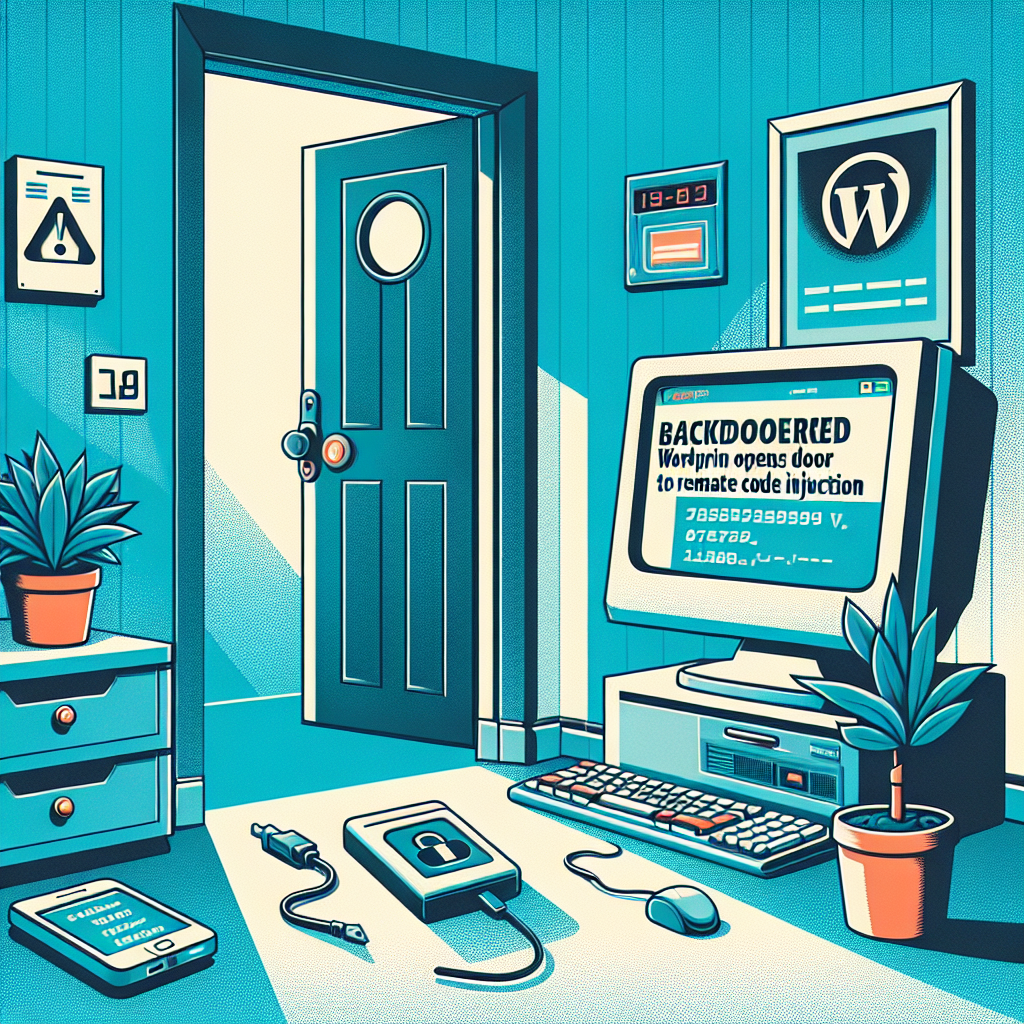
- A backdoor was found in the WordPress Quick Page/Post Redirect Plugin, installed on over 70,000 sites, allowing malicious content injection and remote code execution.
- The plugin contained tampered files and a suspect update mechanism connecting to an external server, bypassing official WordPress updates.
- Attackers used the backdoor for SEO manipulation and retained control, even after the command server went offline, due to embedded persistent code.
- Security experts advise immediate removal of compromised plugins, use of safer redirect tools, and strict monitoring of plugin integrity to prevent supply chain attacks.
Security Flaws in Popular WordPress Plugins
Recently, a serious security issue was discovered in a widely used WordPress plugin called Quick Page/Post Redirect. This plugin powers over 70,000 websites. Security experts found a hidden backdoor in its code. This backdoor allowed hackers to inject malicious content into websites without the site owners knowing. As a result, visitors, including search engines, could see manipulated pages. What makes this situation alarming is that this attack was not obvious at first glance. The plugin had been tampered with and it did not match any official WordPress release. This reveals that even popular, trusted tools can pose risks if compromised. It also emphasizes the importance of regular security checks and being cautious about plugin updates. Websites need strong monitoring to detect unexpected changes that might threaten their security.
The Long-Term Threat of Supply Chain Attacks
More troubling is the fact that the plugin included a backdoor that allowed remote code execution. This means hackers could send commands to affected websites and control them fully. The attacker’s server was connecting to the plugin, and even after it went offline, the backdoor remained embedded. Consequently, the hackers could reactivate it any time and regain access. This creates a prolonged threat that can persist for months or years. It highlights how dangerous supply chain attacks are—when malware infects software during development or distribution. Website owners must stay vigilant about their system’s integrity. They should replace compromised plugins with safer alternatives. This incident reminds us that security measures must evolve alongside growing cyber threats. By doing so, we can better protect our digital spaces and ensure a safer online experience for everyone.
Expand Your Tech Knowledge
Explore the future of technology with our detailed insights on Artificial Intelligence.
Stay inspired by the vast knowledge available on Wikipedia.
CyberTech-V1
