

Quick Takeaways
- Countries like Australia, UK, Canada, and certain US states are attempting to ban or restrict social media use for children under 16, citing mental health and safety concerns.
- Enforcement faces significant challenges due to children’s resourcefulness, technology limitations like facial recognition, and balancing user retention with legal compliance.
- Many experts criticize current regulations as inadequate, pointing out the rapid legislative responses driven by AI and platform failures to protect youth effectively.
- Future compliance strategies emphasize privacy-preserving age verification methods and transparency, aiming to minimize data collection while enforcing age restrictions.
Countries Attempt to Limit Kids’ Social Media Use
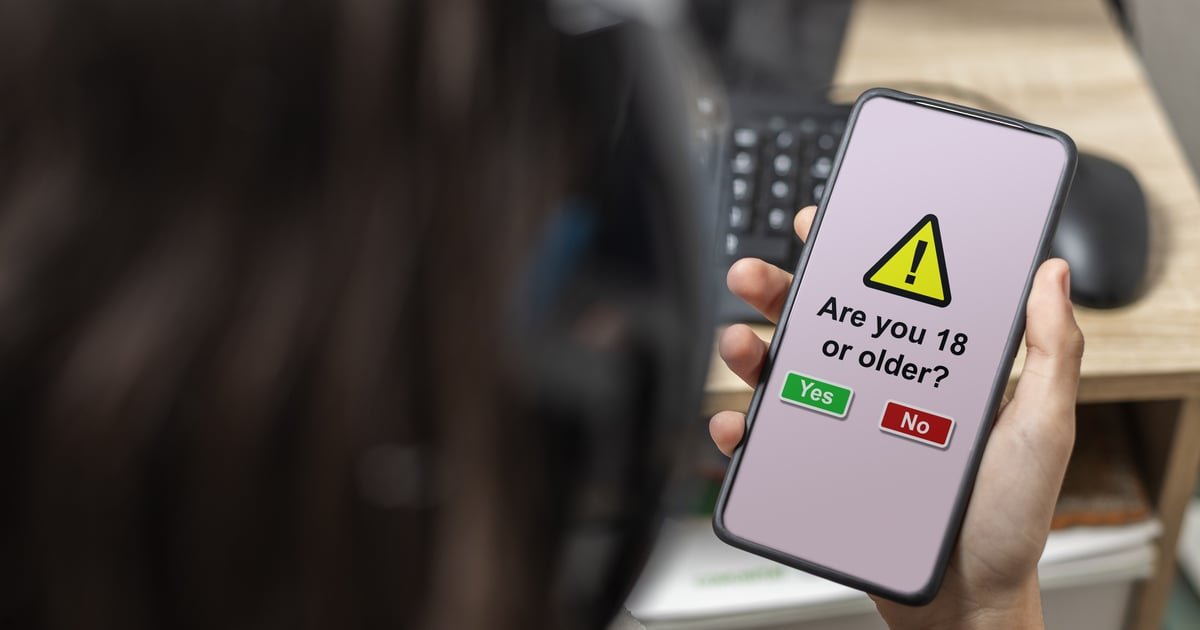
Many countries are now trying to ban social media for children. The goal is to protect their mental health and safety. Australia was the first to act. It introduced laws setting the minimum age for social media at 16, and the ban started in December 2025. Following this, Canada and the UK announced similar plans. The UK also wants to restrict gaming sites for kids. Meanwhile, several US states like California and New York are creating their own rules. These efforts focus on platforms like TikTok, Facebook, Instagram, Snapchat, and YouTube. Supporters believe these laws could reduce problems like addiction and depression. Studies show that kids who spend more than three hours on social media face higher risks of mental health issues. However, enforcing these bans is not easy. Many young people know how to bypass controls and lie about their age. Experts say that verifying age accurately is difficult without invading privacy or causing discomfort. Despite these hurdles, many officials see these laws as steps toward safer online experiences for children.
Why Are More Countries Putting Restrictions in Place?
The move to ban or limit social media use by children is happening quickly. Governments feel they must act because social media platforms often fail to protect young users. For years, these companies claimed they could police themselves. But, according to critics, they have not made enough progress. Many believe these platforms are designed to be addictive. This has caused real harm, especially to children’s mental health. Legislation is speeding up, partly because advanced tools like artificial intelligence make it easier to create and enforce laws. While some see bans as a new idea, others view them as familiar age controls, similar to rules for driving or voting. Experts also warn that children will find ways to bypass restrictions. Still, they emphasize that such measures can help limit exposure to harmful content. Overall, the rise of social media laws reflects a broader effort to balance innovation, privacy, and protection. These regulations may shape how future online safety rules develop and how society views young people’s digital worlds.
Expand Your Tech Knowledge
Explore the future of technology with our detailed insights on Artificial Intelligence.
Access comprehensive resources on technology by visiting Wikipedia.
CyberRisk-V1
