

Quick Takeaways
- The U.S. Treasury launched Operation Economic Outcast, imposing sanctions on nearly 60 Iranian entities, individuals, and vessels linked to cyber and financial networks, aiming to isolate Iran financially.
- Key Iranian cyber actors, linked to the Ministry of Intelligence and Security (MOIS), conducted extensive cyber espionage, infrastructure breaches, and cryptocurrency theft, with some members profiting personally.
- Digital asset flows reveal millions in illicit funds connected to these Iranian actors, while front companies facilitate around $1 billion in funds linked to IRGC activities, further tightening economic restrictions.
- Iran’s cyber threat landscape is multifaceted, involving state-backed hacking, cyber activism, and propaganda operations, all contributing to asymmetric information warfare amid ongoing regional conflicts.
U.S. Imposes Sanctions on Iran-Linked Cybercriminals
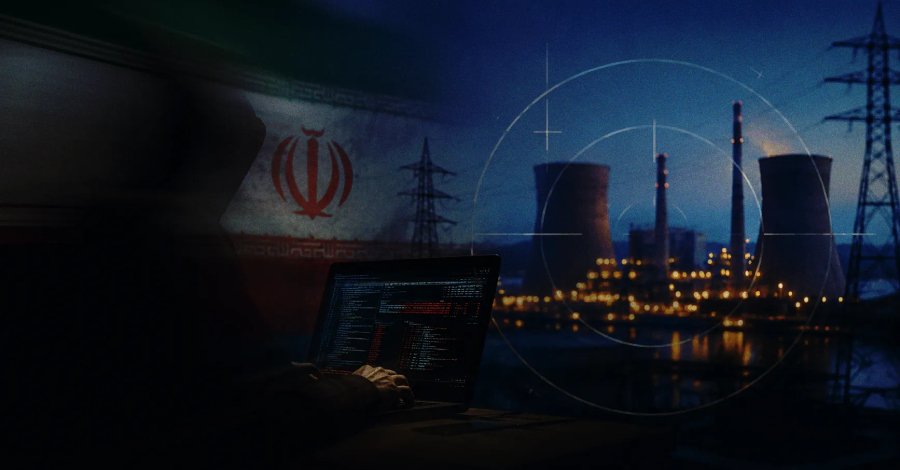
The U.S. Department of the Treasury has announced new sanctions targeting Iranian cyber actors. This move is part of a broader strategy called Operation Economic Outcast. The goal is to cut Iran’s financial ties around the world. Nearly 60 entities, individuals, and vessels linked to Iran are now under sanctions. These cover sectors from nuclear to cyber networks, including digital assets. Specifically, a cyber group connected to Iran’s Ministry of Intelligence and Security has been identified. This group has carried out extensive attacks on U.S. critical infrastructure and stolen money through cyber theft. The Treasury reports that these hackers often work for Iran’s government but are sometimes motivated by personal gain. As a result, some hackers have targeted Iranian companies for profit. In 2023 and 2024, they broke into various government agencies across the U.S. and exfiltrated data from Iranian telecom firms. Additionally, some members have been linked to illicit cryptocurrency activities, with millions of dollars in digital assets traced back to them. These actions aim to isolate Iran economically and prevent it from accessing global financial networks, affecting the broader geopolitical landscape.
Iranian Hackers’ Activities Extend Beyond Borders
Iranian hackers have been involved in numerous cyber campaigns since recent conflicts escalated between Iran, the U.S., and Israel. They are accused of breaching sensitive personal and government accounts, including an FBI director’s email. Their targets also include U.S. utilities, foreign power plants, and allied nations like the U.K. In one incident, Iranian hackers caused a temporary shutdown of a small power plant, though authorities confirmed no wider energy risk occurred. Experts describe Iran’s cyber threat as multi-faceted, involving various groups with different missions, such as data theft, sabotage, surveillance, and misinformation. These groups also use social media and websites to spread propaganda and exert political pressure. Cybersecurity researchers warn that the main danger lies not just in technical prowess but in how quickly and visibly these groups can act, influencing public opinion and international relations. As the global landscape shifts, coordination between nations and tech companies remains crucial to counter these increasingly sophisticated threats.
Expand Your Tech Knowledge
Learn how the Internet of Things (IoT) is transforming everyday life.
Stay inspired by the vast knowledge available on Wikipedia.
DataProtection-V1
