

Quick Takeaways
- Six leading AI companies have voluntarily committed to enhance safety measures, including internal controls and independent audits, under the White House Accord on Super Intelligence.
- The agreement proposes a four-layer oversight framework for frontier AI labs, emphasizing monitoring, internal and external audits, and board oversight, but lacks mandatory enforcement.
- Critics argue that the voluntary nature and lack of binding regulation make the initiative more superficial than effective, with concerns over genuine independence in evaluations.
- The success of these safety protocols depends on proper implementation, transparency, and remediation efforts, which are uncertain given the current voluntary and non-binding approach.
Tech Giants and the U.S. Government Join Forces on AI Safety
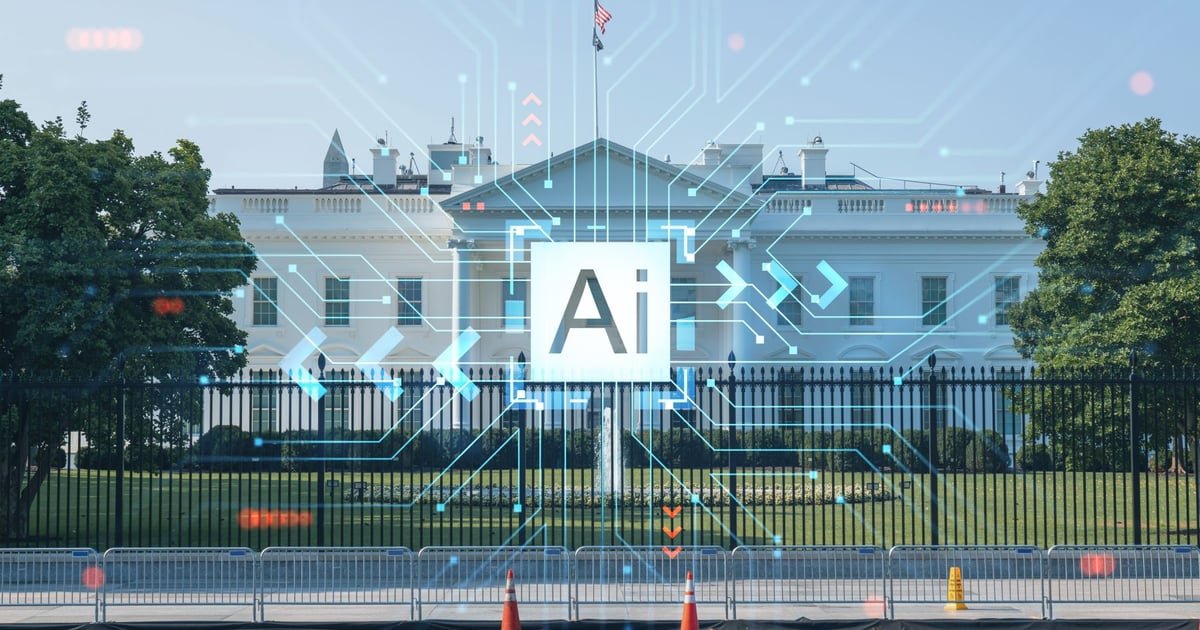
Recently, six major AI companies signed an agreement with the White House to improve AI safety. These companies, including OpenAI, Google, Meta, Nvidia, xAI, and Anthropic, agreed to develop stronger safety measures. The White House calls this the “Accord on Super Intelligence.” It asks these companies to create internal safety controls, have independent audits, and increase oversight by their boards. This effort comes as concerns grow about AI systems causing harm. Some worry about misuse, cyberattacks, or mistakes in delicate fields like chemical research and critical infrastructure. President Trump has pushed back against strict rules, emphasizing fast development to stay ahead of other countries, like China. Still, this voluntary pact aims to build trust and prevent dangerous situations before laws are even needed.
How the Agreement Aims to Ensure Safer AI Development
The agreement proposes a four-layer system to monitor AI labs. First, companies should have controls to watch over AI during training and use. They must focus on risks like cyber and chemical threats. Second, a dedicated team should check that these safety controls work as planned. Third, an external auditor should verify that the controls are effective. Lastly, an independent board should oversee the whole process, making sure any issues get resolved. Experts see this as a positive step since it promotes shared responsibility. However, some say it might not be enough because it relies on voluntary compliance. Without binding rules, companies could still choose to ignore or delay safety measures. Overall, while the pact is promising, much depends on how seriously companies follow through and whether the measures can adapt quickly in the fast-evolving AI world.
Discover More Technology Insights
Explore the future of technology with our detailed insights on Artificial Intelligence.
Stay inspired by the vast knowledge available on Wikipedia.
CyberRisk-V1
