
Close Menu
  • Home
  • Cybercrime and Ransomware
  • Emerging Tech
  • Threat Intelligence
  • Expert Insights
  • Careers and Learning
  • Compliance

Subscribe to Updates

Subscribe to our newsletter and never miss our latest news

Subscribe my Newsletter for New Posts & tips Let's stay updated!

What's Hot

WantToCry Ransomware Exploits SMB to Remotely Encrypt Files

May 21, 2026

Critical Breach: Internal Repositories Compromised via Malicious Nx Console Extension

May 21, 2026

Dark Web Brokers Resell Old Breaches as New Corporate Data Leaks

May 21, 2026
Facebook X (Twitter) Instagram
The CISO Brief
  • Home
  • Cybercrime and Ransomware
  • Emerging Tech
  • Threat Intelligence
  • Expert Insights
  • Careers and Learning
  • Compliance
Home » Ransomware Paralyzes Major Airports, Causing Widespread Delays
Cybercrime and Ransomware

Ransomware Paralyzes Major Airports, Causing Widespread Delays

Staff WriterBy Staff WriterSeptember 22, 2025No Comments4 Mins Read5 Views
Facebook Twitter Pinterest LinkedIn Tumblr Email
Share
Facebook Twitter LinkedIn Pinterest WhatsApp Email

Fast Facts

  1. A third-party ransomware attack on Collins Aerospace disrupted check-in systems at major European airports, including Heathrow, Brussels, and Berlin, causing delays and cancellations.
  2. Authorities confirmed the ransomware type is identified, and investigations are ongoing; airports are advising passengers to verify flight statuses before traveling.
  3. UK and Russian airports experienced website and digital infrastructure disruptions, though operational activities like check-in continued normally at some sites.
  4. Experts warn that reliance on a few vendors increases vulnerability in aviation cybersecurity and emphasize the need for increased resilience, redundancy, and proactive threat management.

The Issue

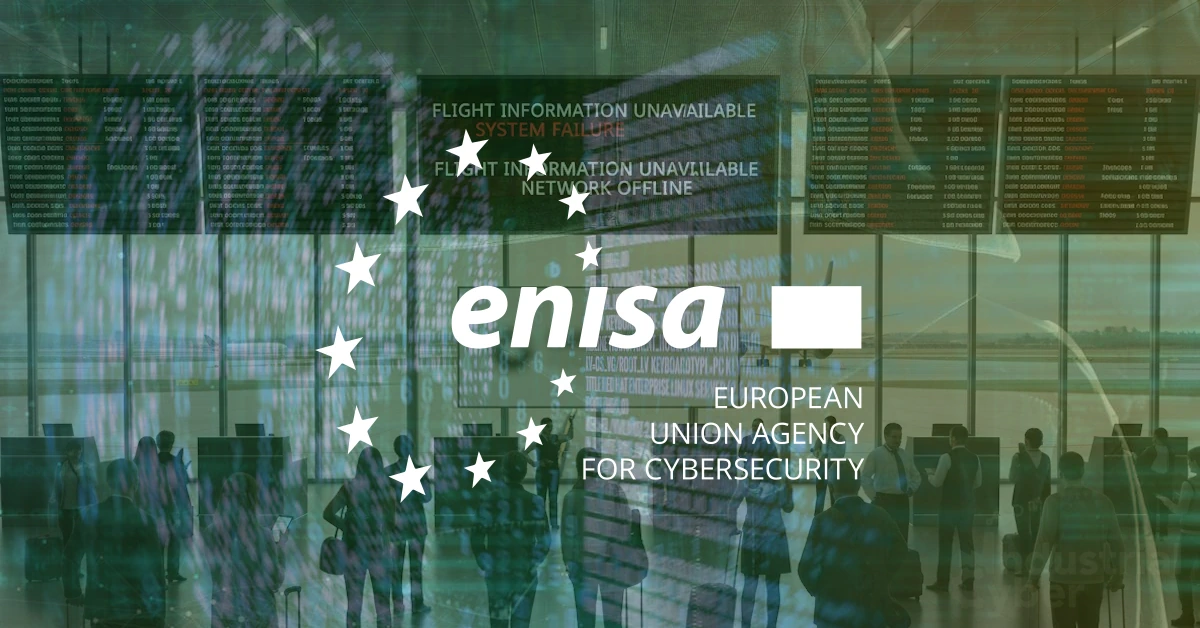
Over the weekend, several major European airports, including Heathrow, Brussels, and Berlin, experienced significant disruptions due to a sophisticated ransomware attack targeting Collins Aerospace’s MUSE check-in and boarding system. This cyberattack, identified by the European Union’s cybersecurity agency (ENISA), temporarily crippled airport operations, leading to long queues, delays, and cancellations. The attack’s severity was compounded by the fact that it exploited vulnerabilities in a third-party vendor’s systems, underscoring the fragility of the aviation supply chain, as highlighted by cybersecurity expert Cody Barrow. Authorities and affected airports, including the UK’s National Cyber Security Centre, are collaborating with law enforcement and technical teams to understand and contain the breach, which has raised broad concerns about the sector’s cybersecurity resilience amid ongoing global threats. Meanwhile, other infrastructure providers like Pulkovo Airport in Russia and the automotive giant Jaguar Land Rover also reported cyber disruptions around the same time, illustrating a widespread trend of targeted attacks on critical digital systems, which many experts warn could become more frequent and damaging if not addressed with more robust, proactive cybersecurity measures.

What’s at Stake?

The recent third-party ransomware attack on Collins Aerospace’s MUSE check-in and boarding system exposed significant vulnerabilities within the European aviation sector’s cyber defenses, causing widespread disruptions at major airports like Heathrow, Brussels, and Berlin, resulting in long delays, cancellations, and operational chaos. This incident highlights the peril of over-reliance on single vendor systems, where malicious cyber actors can exploit supply chain weaknesses to trigger cascading failures across multiple critical infrastructure points. The attack underscores the lag in cybersecurity resilience within the industry, despite heavy safety investments, emphasizing the urgent need for redundancies, comprehensive contingency planning, and enhanced threat intelligence collaboration. As cyber threats intensify globally, organizations and regulators must prioritize proactive defenses and resilience strategies to mitigate future attacks, which increasingly threaten both operational continuity and passenger safety.

Possible Next Steps

Quick action in resolving cybersecurity threats is crucial to restore operational stability and prevent further chaos. In the context of ENISA confirming ransomware behind airport disruptions, rapid remediation is essential to protect infrastructure and ensure passenger safety.

Mitigation Strategies

  • Immediate Network Isolation: Disconnect affected systems to prevent ransomware spread.
  • Incident Response Activation: Launch a dedicated team to manage the breach swiftly.
  • Data Backup Utilization: Restore systems from clean backups to recover from data loss.
  • Threat Analysis: Conduct thorough forensic investigation to understand vulnerabilities.
  • Security Patch Deployment: Update and patch all vulnerable software to eliminate exploitable flaws.
  • Enhanced Monitoring: Increase cybersecurity surveillance for early detection of anomalies.
  • Communication Protocols: Inform relevant authorities and stakeholders promptly.
  • Employee Training: Reinforce staff awareness on phishing and security best practices.
  • Legal & Regulatory Compliance: Ensure adherence to reporting and cybersecurity standards.
  • Preventative Measures: Invest in advanced defense tools, such as intrusion detection systems and antivirus solutions, to prevent future attacks.

Advance Your Cyber Knowledge

Stay informed on the latest Threat Intelligence and Cyberattacks.

Understand foundational security frameworks via NIST CSF on Wikipedia.

Disclaimer: The information provided may not always be accurate or up to date. Please do your own research, as the cybersecurity landscape evolves rapidly. Intended for secondary references purposes only.

Cyberattacks-V1

airport cybersecurity airport disruption airport security CISO Update critical infrastructure cyber incidents cyber resilience Cybersecurity ENISA MX1 Ransomware threat landscape vulnerabilities
Share. Facebook Twitter Pinterest LinkedIn Tumblr Email
Previous ArticleEurope’s Airports Paralyzed by Ransomware Attack
Next Article Malware Alert: Phony GitHub Pages Target Mac Users
Avatar photo
Staff Writer
  • Website

John Marcelli is a staff writer for the CISO Brief, with a passion for exploring and writing about the ever-evolving world of technology. From emerging trends to in-depth reviews of the latest gadgets, John stays at the forefront of innovation, delivering engaging content that informs and inspires readers. When he's not writing, he enjoys experimenting with new tech tools and diving into the digital landscape.

Related Posts

WantToCry Ransomware Exploits SMB to Remotely Encrypt Files

May 21, 2026

Dark Web Brokers Resell Old Breaches as New Corporate Data Leaks

May 21, 2026

Void Botnet Harnesses Ethereum Smart Contracts for Secure C2 Control

May 20, 2026

Comments are closed.

Latest Posts

WantToCry Ransomware Exploits SMB to Remotely Encrypt Files

May 21, 2026

Dark Web Brokers Resell Old Breaches as New Corporate Data Leaks

May 21, 2026

Void Botnet Harnesses Ethereum Smart Contracts for Secure C2 Control

May 20, 2026

GitHub: Internal Repositories Affected by Poisoned VS Code Extension Attack

May 20, 2026
Don't Miss

WantToCry Ransomware Exploits SMB to Remotely Encrypt Files

By Staff WriterMay 21, 2026

Quick Takeaways WantToCry ransomware targets organizations by exploiting exposed SMB ports rather than dropping malware…

Dark Web Brokers Resell Old Breaches as New Corporate Data Leaks

May 21, 2026

Void Botnet Harnesses Ethereum Smart Contracts for Secure C2 Control

May 20, 2026

Subscribe to Updates

Subscribe to our newsletter and never miss our latest news

Subscribe my Newsletter for New Posts & tips Let's stay updated!

Recent Posts

  • WantToCry Ransomware Exploits SMB to Remotely Encrypt Files
  • Critical Breach: Internal Repositories Compromised via Malicious Nx Console Extension
  • Dark Web Brokers Resell Old Breaches as New Corporate Data Leaks
  • Chainguard and FINOS Lead the AI Supply Chain Security Revolution
  • Void Botnet Harnesses Ethereum Smart Contracts for Secure C2 Control
About Us
About Us

Welcome to The CISO Brief, your trusted source for the latest news, expert insights, and developments in the cybersecurity world.

In today’s rapidly evolving digital landscape, staying informed about cyber threats, innovations, and industry trends is critical for professionals and organizations alike. At The CISO Brief, we are committed to providing timely, accurate, and insightful content that helps security leaders navigate the complexities of cybersecurity.

Facebook X (Twitter) Pinterest YouTube WhatsApp
Our Picks

WantToCry Ransomware Exploits SMB to Remotely Encrypt Files

May 21, 2026

Critical Breach: Internal Repositories Compromised via Malicious Nx Console Extension

May 21, 2026

Dark Web Brokers Resell Old Breaches as New Corporate Data Leaks

May 21, 2026
Most Popular

Protecting MCP Security: Defeating Prompt Injection & Tool Poisoning

January 30, 202632 Views

Unlock the Power of Free WormGPT: Harnessing DeepSeek, Gemini, and Kimi-K2 AI Models

November 27, 202530 Views

The New Face of DDoS is Impacted by AI

August 4, 202527 Views

Archives

  • May 2026
  • April 2026
  • March 2026
  • February 2026
  • January 2026
  • December 2025
  • November 2025
  • October 2025
  • September 2025
  • August 2025
  • July 2025
  • June 2025

Categories

  • Compliance
  • Cyber Updates
  • Cybercrime and Ransomware
  • Editor's pick
  • Emerging Tech
  • Events
  • Featured
  • Insights
  • Most Read
  • Threat Intelligence
  • Uncategorized
© 2026 thecisobrief. Designed by thecisobrief.
  • Home
  • About Us
  • Advertise with Us
  • Contact Us
  • DMCA
  • Privacy Policy
  • Terms & Conditions

Type above and press Enter to search. Press Esc to cancel.