
Close Menu
  • Home
  • Cybercrime and Ransomware
  • Emerging Tech
  • Threat Intelligence
  • Expert Insights
  • Careers and Learning
  • Compliance

Subscribe to Updates

Subscribe to our newsletter and never miss our latest news

Subscribe my Newsletter for New Posts & tips Let's stay updated!

What's Hot

AI Hacking Agents Exposed Online

November 11, 2026

Fireworks AI Breach Widens to Customer Data, Model Weights and Notion AI Chats

November 11, 2026

Iran Suspected in Cyberattacks on 700 European Supermarkets

November 11, 2026
Facebook X (Twitter) Instagram
The CISO Brief
  • Home
  • Cybercrime and Ransomware
  • Emerging Tech
  • Threat Intelligence
  • Expert Insights
  • Careers and Learning
  • Compliance
Home » Chinese Dependence on Domestic Firms for Hacking: A Critical Weakness
Cybercrime and Ransomware

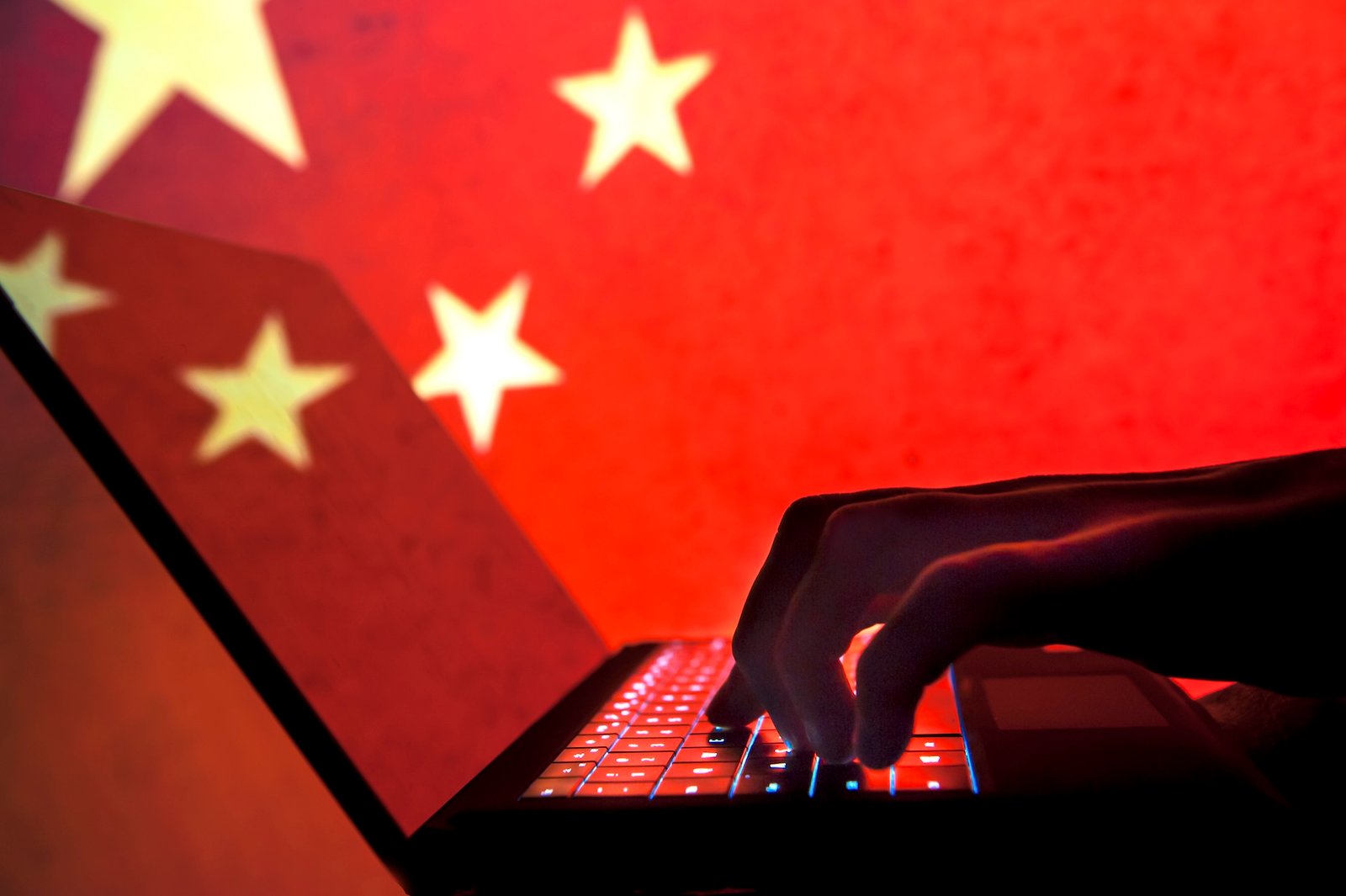
Chinese Dependence on Domestic Firms for Hacking: A Critical Weakness

Staff WriterBy Staff WriterAugust 29, 2025No Comments3 Mins Read9 Views
Facebook Twitter Pinterest LinkedIn Tumblr Email
Share
Facebook Twitter LinkedIn Pinterest WhatsApp Email

Essential Insights

  1. China’s reliance on unregulated domestic tech companies for cyber operations is a vulnerability, exposing errors and reducing oversight.
  2. Chinese-backed hacking campaigns, like Salt Typhoon, date back to 2021 and involve companies that assist Chinese intelligence, risking global security.
  3. U.S. sanctions target firms like Sichuan Juxinhe, but Chinese government denies involvement, continuing to use shell companies for illicit cyber activities.
  4. Cybersecurity defense must involve both governments and private sectors worldwide, as no system is immune, and Chinese cyber activities pose ongoing threats.

Key Challenge

Recently, the U.S. government and international cyber agencies issued a stark warning about a widespread cyberespionage campaign allegedly orchestrated by Chinese-linked hackers, particularly a group called Salt Typhoon. These hackers have been exploiting a network of Chinese companies, including Sichuan Juxinhe Network Technology — already under U.S. sanctions — to carry out covert operations targeting foreign telecommunications, internet providers, and sectors like transportation and lodging. The campaign, which dates back to 2021, aims to steal sensitive data and track global communications for Chinese intelligence, revealing vulnerabilities rooted in China’s reliance on unregulated domestic companies to support its espionage efforts. A top FBI official, Jason Bilnoski, emphasized that this approach exposes a critical weakness: the lack of oversight over these private companies, which often operate as shell entities and inadvertently create openings for foreign investigators. The authorities close the alert not only to warn major and small organizations alike, but also to demonstrate that security is a shared responsibility, urging international cooperation against China’s persistent cyber threats and highlighting ongoing efforts to uncover and expose such clandestine activities.

Risks Involved

China’s reliance on its domestic technology firms to execute large-scale cyber espionage, particularly through state-backed hacking groups like Salt Typhoon, reveals a significant vulnerability, as these private entities operate within a loosely regulated system that blurs the lines between government directives and corporate actions. This structural weakness exposes Beijing to escalating international scrutiny and operational risks, especially when these companies fail or overreach, creating openings for global investigators to uncover and disrupt illicit activities. The alert issued by multiple nations emphasizes how such hacking campaigns, dating back to 2021 and linked to Chinese military and intelligence units, threaten worldwide telecommunications, transportation, and infrastructure sectors by enabling Chinese espionage, data theft, and surveillance. Furthermore, these activities undermine trust in China’s claims of deniability and complicate efforts to distinguish government-sanctioned operations from private sector missteps, heightening the risk of diplomatic fallout, economic damage, and increased cybersecurity burdens globally. As China’s internal regulatory frameworks attempt to manage sensitive data, the persistent covert use of shell companies and unregulated firms to conduct cyber espionage signifies a systemic gap, which, if exploited by foreign authorities, could lead to a paradigm of increased cyber conflict and strategic instability.

Possible Remediation Steps

Understanding the vulnerabilities posed by reliance on domestic Chinese firms for hacking activities underscores the critical need for timely remediation. Addressing such weaknesses promptly can prevent escalating cyber threats, safeguard sensitive information, and maintain national security integrity.

Mitigation Steps

  • Strengthen Cyber Defenses
  • Conduct Rigorous Audits
  • Implement Supply Chain Security Measures
  • Enhance International Cooperation
  • Enforce Strict Regulatory Controls
  • Promote Alternative Technologies
  • Increase Cybersecurity Awareness
  • Develop Rapid Response Teams

Continue Your Cyber Journey

Explore career growth and education via Careers & Learning, or dive into Compliance essentials.

Understand foundational security frameworks via NIST CSF on Wikipedia.

Disclaimer: The information provided may not always be accurate or up to date. Please do your own research, as the cybersecurity landscape evolves rapidly. Intended for secondary references purposes only.

Cyberattacks-V1

China CISO Update Cybersecurity federal bureau of investigation (fbi) hacking MX1 Salt Typhoon sanctions
Share. Facebook Twitter Pinterest LinkedIn Tumblr Email
Previous ArticleBelden Unveils Cutting-Edge Connectivity and Cybersecurity Innovations
Next Article Palo Alto Networks Recognized as Leader in Gartner’s Magic Quadrant
Avatar photo
Staff Writer
  • Website

John Marcelli is a staff writer for the CISO Brief, with a passion for exploring and writing about the ever-evolving world of technology. From emerging trends to in-depth reviews of the latest gadgets, John stays at the forefront of innovation, delivering engaging content that informs and inspires readers. When he's not writing, he enjoys experimenting with new tech tools and diving into the digital landscape.

Related Posts

AI Hacking Agents Exposed Online

November 11, 2026

Iran Suspected in Cyberattacks on 700 European Supermarkets

November 11, 2026

GhostFrame Hijacks ESXi VMs, Steals Windows Credentials

November 11, 2026

Comments are closed.

Latest Posts

AI Hacking Agents Exposed Online

November 11, 2026

Iran Suspected in Cyberattacks on 700 European Supermarkets

November 11, 2026

GhostFrame Hijacks ESXi VMs, Steals Windows Credentials

November 11, 2026

N-able N-central Gets Urgent Fix After 33 Exploits Emerge

November 10, 2026
Don't Miss

AI Hacking Agents Exposed Online

By Staff WriterNovember 11, 2026

Quick Takeaways AI-powered hacking frameworks are exposed online: A November 7 Shodan snapshot found 1,428…

Iran Suspected in Cyberattacks on 700 European Supermarkets

November 11, 2026

GhostFrame Hijacks ESXi VMs, Steals Windows Credentials

November 11, 2026

Subscribe to Updates

Subscribe to our newsletter and never miss our latest news

Subscribe my Newsletter for New Posts & tips Let's stay updated!

Recent Posts

  • AI Hacking Agents Exposed Online

  • Fireworks AI Breach Widens to Customer Data, Model Weights and Notion AI Chats
  • Iran Suspected in Cyberattacks on 700 European Supermarkets

  • GhostFrame Hijacks ESXi VMs, Steals Windows Credentials
  • SGLang RCE Exposes 18 Agents, 100 Users

About Us
About Us

Welcome to The CISO Brief, your trusted source for the latest news, expert insights, and developments in the cybersecurity world.

In today’s rapidly evolving digital landscape, staying informed about cyber threats, innovations, and industry trends is critical for professionals and organizations alike. At The CISO Brief, we are committed to providing timely, accurate, and insightful content that helps security leaders navigate the complexities of cybersecurity.

Facebook X (Twitter) Pinterest YouTube WhatsApp
Our Picks

AI Hacking Agents Exposed Online

November 11, 2026

Fireworks AI Breach Widens to Customer Data, Model Weights and Notion AI Chats

November 11, 2026

Iran Suspected in Cyberattacks on 700 European Supermarkets

November 11, 2026
Most Popular

Gefährliche Angriffe: Wie Cyberkriminelle Ihre Identität angreifen

January 29, 2026388 Views

Fortinet VPN vulnerability exploited for remote access compromise

June 19, 2026265 Views

Salesforce Disables Klue App After Data Breach from Token Abuse

June 19, 2026218 Views

Archives

  • November 2026
  • October 2026
  • September 2026
  • August 2026
  • July 2026
  • June 2026
  • May 2026
  • April 2026
  • March 2026
  • February 2026
  • January 2026
  • December 2025
  • November 2025
  • October 2025
  • September 2025
  • August 2025
  • July 2025
  • June 2025

Categories

  • Compliance
  • Cyber Updates
  • Cybercrime and Ransomware
  • Editor's pick
  • Emerging Tech
  • Events
  • Featured
  • Insights
  • Most Read
  • Threat Intelligence
  • Uncategorized
© 2026 thecisobrief. Designed by thecisobrief.
  • Home
  • About Us
  • Advertise with Us
  • Contact Us
  • DMCA
  • Privacy Policy
  • Terms & Conditions

Type above and press Enter to search. Press Esc to cancel.