

Summary Points
- Anthropic accidentally released internal code for its AI tool Claude Code, exposing nearly 2,000 TypeScript files and internal architecture details.
- The leak provides insights into Claude’s features like self-healing memory, background operation, stealth mode, and anti-distillation controls, posing security risks.
- Attackers are exploiting the leak by typosquatting npm packages and injecting malicious code, including a trojanized HTTP client used in a recent npm supply chain attack.
- The incident highlights critical vulnerabilities, with experts warning about potential misuse of leaked code and malicious activities targeting developers and users.
Source Code Leak Caused by Packaging Error
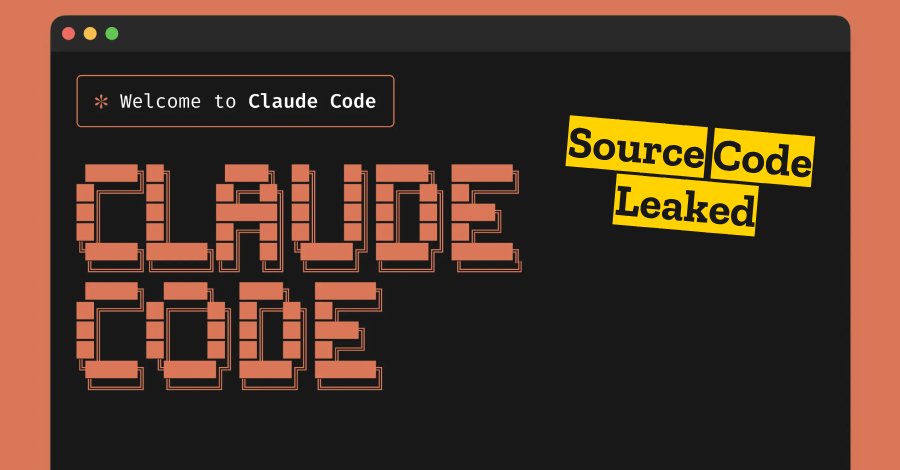
Recently, Anthropic confirmed that its popular AI coding tool, Claude Code, had a source code leak. This leak happened because of a human error during packaging, not a security breach. The company released an update, version 2.1.88 of the Claude Code npm package. Users quickly noticed that this version included a source map file, which exposed nearly 2,000 TypeScript files and over half a million lines of code. The leak was first flagged on social media, where security researchers shared how the code was publicly available. The leaked code was then saved to a GitHub repository, gaining many stars and forks. Anthropic stated that no sensitive customer data or credentials were involved and promised to improve their processes to prevent future mistakes.
Implications and Risks of the Leaked Code
The exposure of Claude Code’s source code is significant because it gives hackers and competitors a detailed look at how the tool works. The leaked code reveals key features, such as a self-healing memory system and various tools for file management and complex task planning. It also exposes advanced functions, like KAIROS, which lets Claude operate in the background, fix errors, and send notifications without user input. Another intriguing feature is the Undercover Mode, allowing the AI to contribute secretly to open-source projects. Unfortunately, this leak increases the risk of malicious activities. Attackers may use the information to craft harmful commands or create backdoors, especially now that they understand how data flows through the system. Additionally, a related security concern involves malware embedded in a recent npm update. Users who installed the leaked version between certain hours are advised to downgrade and change their passwords immediately. Moreover, opportunistic actors are exploiting the leak to push malicious packages with similar names, aiming to target developers who might download them. This incident marks a troubling setback for Anthropic, already dealing with another recent security lapse involving internal data exposure.
Stay Ahead with the Latest Tech Trends
Learn how the Internet of Things (IoT) is transforming everyday life.
Stay inspired by the vast knowledge available on Wikipedia.
DataProtection-V1
