

Top Highlights
- An international law enforcement operation, SIMCARTEL, successfully dismantled a large-scale cybercrime-as-a-service network in Latvia, arresting five suspects and seizing key infrastructure.
- The network facilitated over 49 million fake accounts and was linked to more than 3,200 cyber fraud cases across Austria and Latvia, causing over EUR 4.9 million in financial losses.
- The platform provided access to phone numbers from over 80 countries, enabling scams like phishing, fake bank sites, impersonations, and identity masking for criminal activities.
- Coordinated by Europol and Eurojust with support from Shadowserver, this operation disrupted the criminal marketplace, highlighting a significant victory against cybercrime infrastructure in Europe.
Key Challenge
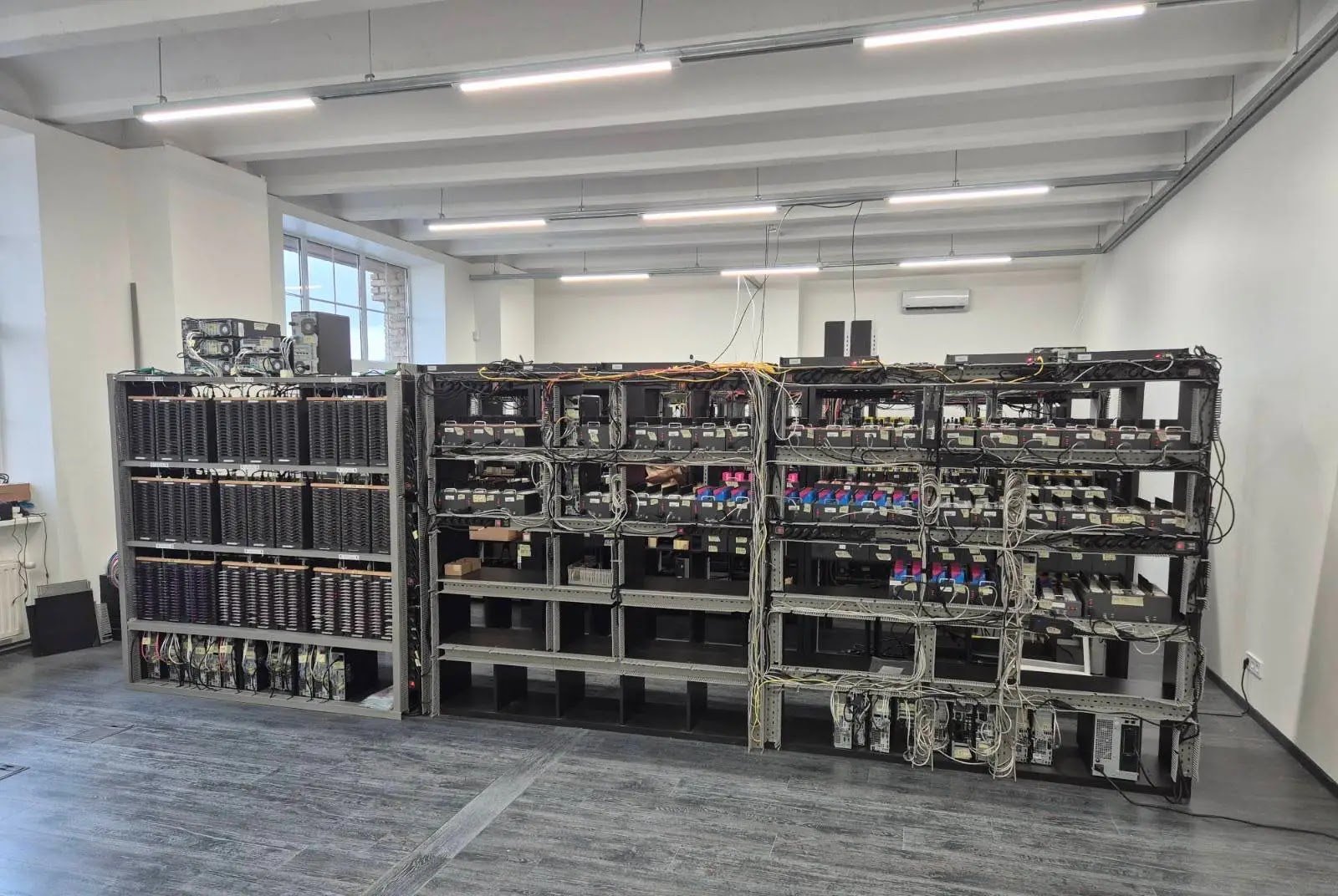
On October 10, 2025, a major international law enforcement operation called SIMCARTEL successfully dismantled a wide-ranging cybercrime-as-a-service network that was responsible for fueling thousands of online fraud cases across Europe. Led by Europol, Eurojust, and supported by agencies from Austria, Latvia, Estonia, and Finland, the raid involved executing 26 searches in Latvia, where five Latvians suspected of running the illegal platform were arrested. Authorities seized critical infrastructure—including five servers, over 40,000 active SIM cards, and 1,200 SIM-box devices—while taking over two linked websites, gogetsms.com and apisim.com, which had been used to facilitate criminal activities. This platform enabled widespread scams by providing criminals with anonymous access to phone numbers from more than 80 countries, allowing them to create fake accounts and conduct schemes such as phishing, extortion, and fake marketplace listings—culminating in over EUR 4.9 million in financial losses and countless victims.
The operation revealed that the platform supported a broad array of fraud tactics, including impersonating police officers, running investment scams, and launching “daughter–son” WhatsApp scams targeting Russian-speaking victims. By renting SIM-based numbers, criminals masked their true identities, making it difficult for authorities to track or stop their activities. With technical assistance from the Shadowserver Foundation and meticulous digital analysis by Europol analysts, law enforcement not only disrupted this extensive underground network but also froze millions in assets, including cash, cryptocurrency, and luxury vehicles belonging to suspects. This coordinated effort marks a significant breakthrough in Europe’s ongoing battle against cybercrime-as-a-service, striking at the very infrastructure that criminals rely on to conduct their illegal operations.
Risks Involved
The dismantling of the SIMCARTEL cybercrime-as-a-service platform exposes the profound risks and widespread impact of modern digital crime, as a global team of authorities uncovered a sophisticated network facilitating the creation of over 49 million fake accounts and enabling more than 3,200 fraud cases across Europe. By selling access to masked phone numbers in over 80 countries, the platform empowered criminals to conduct diverse scams—including phishing, fake banking sites, and impersonations—threatening both individuals and enterprises’ financial security and reputation. The operation’s seizure of servers, SIM devices, and significant assets highlights the scale and complexity of such cyber threats, which undermine trust in online systems and result in millions in losses, stolen assets, and compromised victim data. This case underscores how cybercrime-as-a-service enhances criminal capabilities by providing anonymity and infrastructure, making coordinated international efforts essential in combating sophisticated threats that continue to evolve and pose persistent dangers to global digital security.
Possible Action Plan
Acting swiftly to remediate cybersecurity breaches is critical in limiting damage, restoring trust, and preventing future attacks. When authorities dismantle cybercrime-as-a-service platforms, such as seizing thousands of active SIM cards, it underscores the importance of rapid response to minimize the risks associated with compromised data and ongoing criminal activity.
Mitigation Steps
- Immediate Lockdown: Disable compromised accounts and block malicious access points to prevent further exploitation.
- Incident Analysis: Conduct a thorough investigation to identify the scope, nature, and entry points of the breach.
- Notification Protocols: Inform affected users and stakeholders promptly to enable them to take protective measures.
- Account Re-Verification: Authenticate user identities and reset credentials associated with compromised SIM cards.
- Blacklist Malicious Entities: Work to block associated IP addresses, domains, and devices involved in the cybercrime activity.
- Enhanced Monitoring: Implement real-time surveillance to detect and respond to suspicious behaviors swiftly.
Remediation Measures
- Security Patch Deployment: Update and patch vulnerabilities in infrastructure that allowed the breach or facilitated the platform’s operation.
- Strengthen Authentication: Introduce multifactor authentication and biometric verification to thwart unauthorized access.
- Regulatory Compliance: Ensure adherence to legal standards and collaborate with law enforcement for ongoing investigations.
- User Awareness Programs: Educate users on security best practices to recognize and avoid potential threats.
- System Hardening: Improve network defenses, segmentation, and encryption to bolster resilience against future incursions.
- Policy Review: Regularly update security policies and protocols to reflect evolving threats and technological advancements.
Stay Ahead in Cybersecurity
Discover cutting-edge developments in Emerging Tech and industry Insights.
Access world-class cyber research and guidance from IEEE.
Disclaimer: The information provided may not always be accurate or up to date. Please do your own research, as the cybersecurity landscape evolves rapidly. Intended for secondary references purposes only.
Cyberattacks-V1
