
Close Menu
  • Home
  • Cybercrime and Ransomware
  • Emerging Tech
  • Threat Intelligence
  • Expert Insights
  • Careers and Learning
  • Compliance

Subscribe to Updates

Subscribe to our newsletter and never miss our latest news

Subscribe my Newsletter for New Posts & tips Let's stay updated!

What's Hot

GentleKiller Ransomware Bypasses Security by Targeting Vulnerable Drivers and Disabling Over 400 EDR Processes

June 21, 2026

Staff Stories Spotlight: Celebrating Cybersecurity Awareness Month 2024

June 20, 2026

Hackers Exploit Gravity SMTP Plugin to Leverage API Key Exposure

June 20, 2026
Facebook X (Twitter) Instagram
The CISO Brief
  • Home
  • Cybercrime and Ransomware
  • Emerging Tech
  • Threat Intelligence
  • Expert Insights
  • Careers and Learning
  • Compliance
Home » FCC IoT Labeling Program Loses Key Player Amid China Probe
Cyber Updates

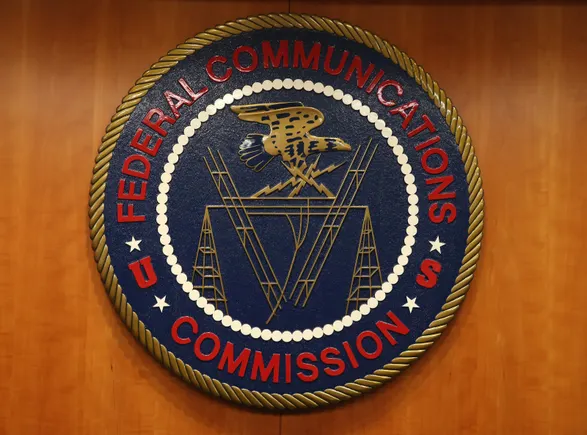
FCC IoT Labeling Program Loses Key Player Amid China Probe

Staff WriterBy Staff WriterJanuary 5, 2026No Comments2 Mins Read4 Views
Facebook Twitter Pinterest LinkedIn Tumblr Email
Share
Facebook Twitter LinkedIn Pinterest WhatsApp Email

Fast Facts

  1. Withdrawal of UL: UL LLC, the lead administrator for the FCC’s Cyber Trust Mark program, has withdrawn due to an investigation into its ties to China, casting doubt on the initiative’s future.

  2. Program Objective: Established during the Biden administration, the Cyber Trust Mark aimed to improve IoT device security and encourage consumers to prioritize security features in their purchases.

  3. Impact of Investigation: The FCC’s investigation into UL’s partnership with a Chinese firm has raised concerns over national security and the program’s viability.

  4. Uncertain Future: UL’s exit leaves the Cyber Trust Mark program’s progress uncertain, with the FCC yet to comment on the search for a new lead administrator.

Setback for Cybersecurity in IoT

The Federal Communication Commission’s (FCC) cybersecurity labeling program faces a significant challenge. Recently, UL LLC, the company tasked with overseeing the initiative, announced its withdrawal. This decision came following an FCC investigation into UL’s connections with China. Concerns about national security have overshadowed the program’s potential benefits.

The Cyber Trust Mark initiative aimed to enhance the security of Internet of Things (IoT) devices. By encouraging manufacturers to adopt better security practices, the FCC hoped to mitigate vulnerabilities that hackers could exploit. The initiative offered a framework for IoT vendors to have their products tested by accredited labs. If compliant, these devices would display the Cyber Trust Mark, urging consumers to prioritize security when purchasing tech products.

The Path Forward for IoT Security

UL’s departure raises questions about the program’s future. It remains unclear how many of UL’s planned tasks were completed before their withdrawal. Security experts previously viewed the Cyber Trust Mark as a promising step toward reducing harmful cyberattacks caused by insecure IoT devices. Therefore, the FCC must find a new lead administrator quickly to maintain momentum and public trust.

Experts emphasize the need for adaptability as the program navigates this setback. The demand for secure IoT devices continues to grow. Thus, maintaining clear communication with stakeholders will be essential for rebuilding confidence in the Cyber Trust Mark initiative. The human journey toward a safer digital world hinges significantly on such initiatives. Ensuring strong cybersecurity in IoT can protect both consumers and broader digital infrastructure.

Discover More Technology Insights

Explore the future of technology with our detailed insights on Artificial Intelligence.

Explore past and present digital transformations on the Internet Archive.

Cybersecurity-1
cyber risk cybercrime Cybersecurity MX1 risk management Threats
Share. Facebook Twitter Pinterest LinkedIn Tumblr Email
Previous ArticleCybersecurity Threats: The Hidden Toll on Our Well-Being
Next Article Cybersecurity Breach: US Experts Admit Guilt in Ransomware Scheme
Avatar photo
Staff Writer
  • Website

John Marcelli is a staff writer for the CISO Brief, with a passion for exploring and writing about the ever-evolving world of technology. From emerging trends to in-depth reviews of the latest gadgets, John stays at the forefront of innovation, delivering engaging content that informs and inspires readers. When he's not writing, he enjoys experimenting with new tech tools and diving into the digital landscape.

Related Posts

GentleKiller Ransomware Bypasses Security by Targeting Vulnerable Drivers and Disabling Over 400 EDR Processes

June 21, 2026

Staff Stories Spotlight: Celebrating Cybersecurity Awareness Month 2024

June 20, 2026

Hackers Exploit Gravity SMTP Plugin to Leverage API Key Exposure

June 20, 2026

Comments are closed.

Latest Posts

GentleKiller Ransomware Bypasses Security by Targeting Vulnerable Drivers and Disabling Over 400 EDR Processes

June 21, 2026

Threat Actor Deploys Advanced EDR-Crushing Tools in Ransomware Platform

June 19, 2026

CISA Flags LiteSpeed cPanel Plugin Vulnerability Amid Active Exploitation

June 19, 2026

INC Ransomware Launches Rust-Based Attacks on Windows, Linux, and ESXi

June 19, 2026
Don't Miss

GentleKiller Ransomware Bypasses Security by Targeting Vulnerable Drivers and Disabling Over 400 EDR Processes

By Staff WriterJune 21, 2026

Essential Insights The Gentlemen ransomware gang used a sophisticated framework called GentleKiller, capable of disabling…

Staff Stories Spotlight: Celebrating Cybersecurity Awareness Month 2024

June 20, 2026

Hackers Exploit Gravity SMTP Plugin to Leverage API Key Exposure

June 20, 2026

Subscribe to Updates

Subscribe to our newsletter and never miss our latest news

Subscribe my Newsletter for New Posts & tips Let's stay updated!

Recent Posts

  • GentleKiller Ransomware Bypasses Security by Targeting Vulnerable Drivers and Disabling Over 400 EDR Processes
  • Staff Stories Spotlight: Celebrating Cybersecurity Awareness Month 2024
  • Hackers Exploit Gravity SMTP Plugin to Leverage API Key Exposure
  • Threat Actor Deploys Advanced EDR-Crushing Tools in Ransomware Platform
  • Fortinet VPN vulnerability exploited for remote access compromise
About Us
About Us

Welcome to The CISO Brief, your trusted source for the latest news, expert insights, and developments in the cybersecurity world.

In today’s rapidly evolving digital landscape, staying informed about cyber threats, innovations, and industry trends is critical for professionals and organizations alike. At The CISO Brief, we are committed to providing timely, accurate, and insightful content that helps security leaders navigate the complexities of cybersecurity.

Facebook X (Twitter) Pinterest YouTube WhatsApp
Our Picks

GentleKiller Ransomware Bypasses Security by Targeting Vulnerable Drivers and Disabling Over 400 EDR Processes

June 21, 2026

Staff Stories Spotlight: Celebrating Cybersecurity Awareness Month 2024

June 20, 2026

Hackers Exploit Gravity SMTP Plugin to Leverage API Key Exposure

June 20, 2026
Most Popular

Protecting MCP Security: Defeating Prompt Injection & Tool Poisoning

January 30, 202633 Views

Unlock the Power of Free WormGPT: Harnessing DeepSeek, Gemini, and Kimi-K2 AI Models

November 27, 202530 Views

The New Face of DDoS is Impacted by AI

August 4, 202528 Views

Archives

  • June 2026
  • May 2026
  • April 2026
  • March 2026
  • February 2026
  • January 2026
  • December 2025
  • November 2025
  • October 2025
  • September 2025
  • August 2025
  • July 2025
  • June 2025

Categories

  • Compliance
  • Cyber Updates
  • Cybercrime and Ransomware
  • Editor's pick
  • Emerging Tech
  • Events
  • Featured
  • Insights
  • Most Read
  • Threat Intelligence
  • Uncategorized
© 2026 thecisobrief. Designed by thecisobrief.
  • Home
  • About Us
  • Advertise with Us
  • Contact Us
  • DMCA
  • Privacy Policy
  • Terms & Conditions

Type above and press Enter to search. Press Esc to cancel.