

Essential Insights
- Over 500 GB of sensitive GFW data, including source code and surveillance modules, was leaked, revealing details of censorship and monitoring operations across multiple Chinese provinces and export nations.
- The leaked archive exposes core internals such as DPI engines, filtering rules, encryption keys, and configuration scripts, providing deep insights into the GFW’s infrastructure and tactics.
- Analysts warn that this breach enables evasion techniques and poses significant security risks; researchers must follow strict operational security protocols, including using isolated environments and verifying files before analysis.
- The leak offers a rare, detailed look into the GFW’s sophisticated censorship technology, urging careful handling and responsible disclosure by the security community.
What’s the Problem?
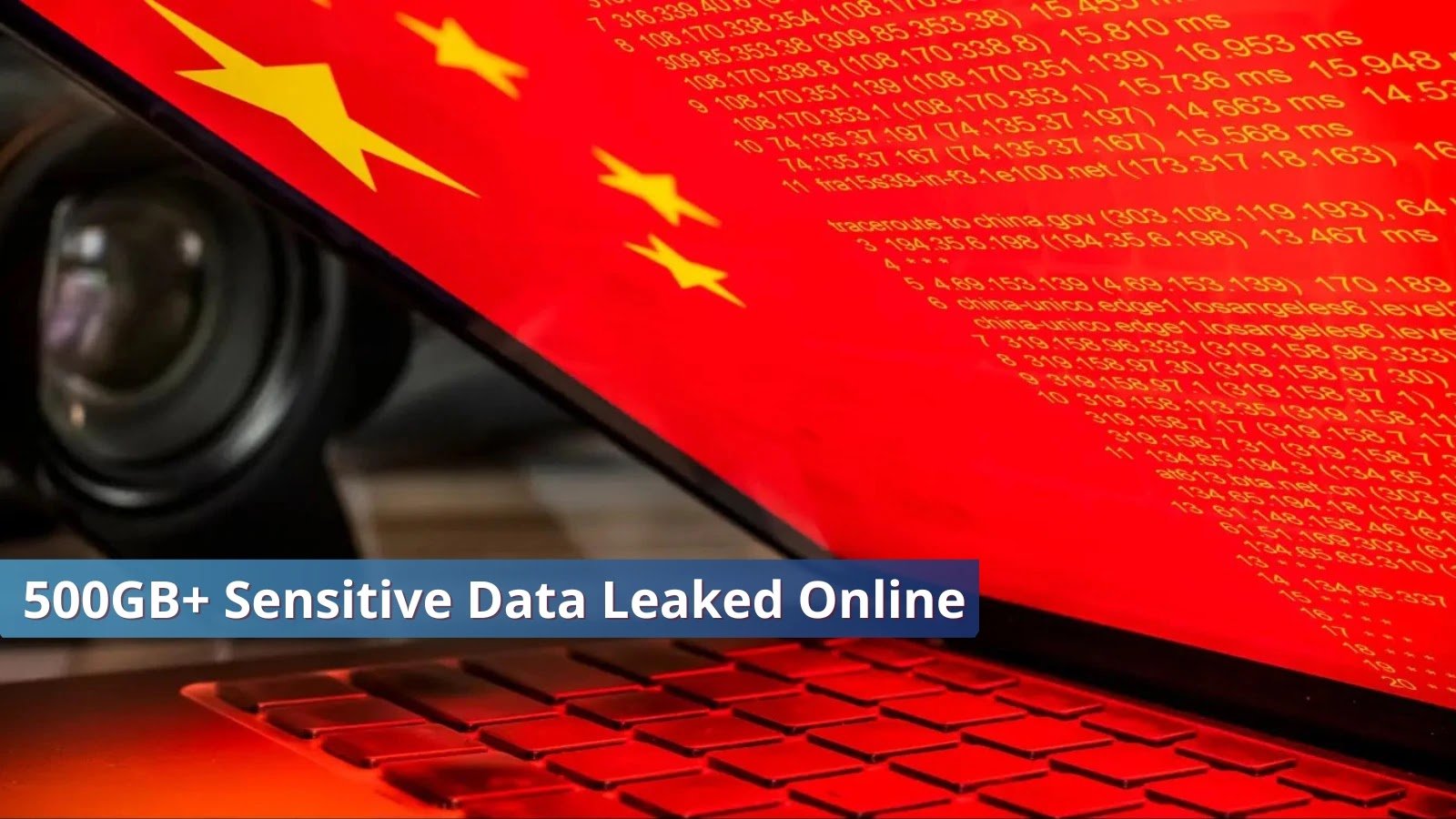
A massive data breach has exposed the internal workings of China’s Great Firewall (GFW), marking it as the largest such leak in its history. Over 500 gigabytes of sensitive information—including source code, operational logs, configuration files, and internal communications—were stolen and made accessible online. The breach was traced back to Geedge Networks and the MESA Lab at the Chinese Academy of Sciences, revealing detailed insights into the GFW’s research and development processes, deployment pipelines, and surveillance tools used across various Chinese provinces and under international export agreements within China’s Belt and Road initiative. The leaked data provides an unprecedented look at the firewall’s deep packet inspection engines, filtering rules, and encryption keys, which could enable entities to bypass censorship or scrutinize China’s censorship tactics. Analysts caution that, while this leak offers valuable intelligence for security researchers, analyzing these files involves serious security and legal risks, as they may contain malware, proprietary encryption keys, or configuration scripts. To mitigate these dangers, researchers are advised to work within secure, isolated environments and verify all files before use, emphasizing the importance of operational security in handling such sensitive data.
The leak’s report highlights the severe implications of this unprecedented intrusion, shedding light on the inner mechanisms of a complex censorship apparatus that was previously opaque. It also raises concerns about the potential misuse of the exposed tools by malicious actors wanting to evade censorship or disrupt surveillance efforts. The breach, announced by security analysts and researchers monitoring digital threats, underscores the growing vulnerability of sophisticated state-driven cyber infrastructure and the importance of responsible handling and analysis of such sensitive information. The incident signals a significant turning point in understanding how authoritarian regimes project digital control and the vulnerabilities that can be exploited in their systems.
Security Implications
The recent breach of China’s Great Firewall (GFW), which resulted in the exfiltration of over 500 GB of sensitive internal data—including source code, operational logs, and surveillance configurations—poses a significant threat to global cyber security and Internet censorship integrity. This leak exposes the underlying architecture, such as deep packet inspection engines, filtering protocols, and encryption keys, enabling adversaries to develop sophisticated evasion techniques and gain detailed insights into China’s censorship strategies deployed across regions like Xinjiang, Jiangsu, and Fujian, as well as export frameworks under China’s Belt and Road initiative. The availability of these internal materials amplifies risks of malicious exploitation, including malware deployment, data manipulation, or targeted counter-surveillance measures. Consequently, security professionals are advised to employ rigorous operational security protocols—using isolated environments, verifying file integrity, and refraining from executing unvetted binaries—to mitigate potential threats arising from these leaks. This unprecedented exposure grants actors both adversarial and defensive a rare glimpse into the GFW’s complex infrastructure, intensifying the cyber risk landscape and challenging the resilience of digital sovereignty efforts.
Possible Action Plan
Addressing a massive data leak like the over 500GB of sensitive information from the Great Firewall of China requires swift and effective action to prevent further harm, protect national security, and maintain public trust.
Containment Measures
Immediate isolation of affected systems and data to prevent additional leaks or misuse.
Assessment & Investigation
Conduct a thorough forensic examination to understand the breach origin, scope, and vulnerabilities exploited.
Patch & Strengthen Security
Update software, fix vulnerabilities, and improve security protocols to close gaps exploited by attackers.
Notification & Transparency
Inform affected stakeholders and pertinent authorities about the breach, ensuring compliance with legal and regulatory obligations.
Monitoring & Surveillance
Increase monitoring to detect and respond to any suspicious activity linked to the leaked data.
Long-term Safeguards
Implement robust cybersecurity strategies and regular audits to prevent future incidents.
Explore More Security Insights
Stay informed on the latest Threat Intelligence and Cyberattacks.
Learn more about global cybersecurity standards through the NIST Cybersecurity Framework.
Disclaimer: The information provided may not always be accurate or up to date. Please do your own research, as the cybersecurity landscape evolves rapidly. Intended for secondary references purposes only.
Cyberattacks-V1
