

Top Highlights
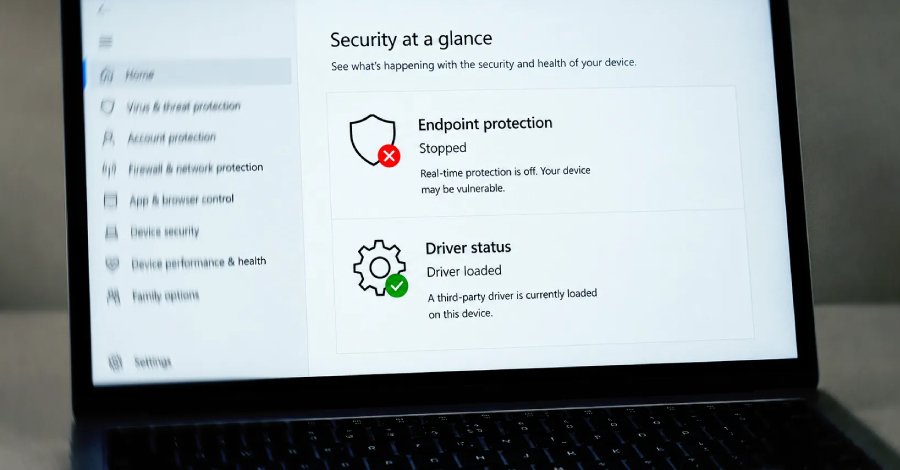
- A new ransomware family, GodDamn, employs the PoisonX kernel driver for advanced defense evasion, including disabling security software.
- It is a rebrand of Beast ransomware, linked to the developer Hyadina, and was first spotted in May 2026.
- The attack uses sophisticated techniques like credential harvesting with NirSoft tools, BYOVD (Bring Your Own Vulnerable Driver) attacks, and remote tools like AnyDesk for lateral movement.
- The use of signed malicious drivers like PoisonX signifies a heightened threat level, enabling attackers to bypass security measures and complicate mitigation efforts.
GodDamn Ransomware Uses PoisonX Driver to Bypass Security Defenses
Cybersecurity experts have uncovered a new threat called GodDamn ransomware. This malware uses a dangerous tool called the PoisonX driver to disable security defenses on infected computers. First seen in May 2026, GodDamn is believed to be a rebrand of previous ransomware families. Its developers, linked to a group named Hyadina, keep improving their attack methods to avoid detection. This approach makes it harder for organizations to defend against such attacks. The malware infiltrates systems using various tools and techniques, including remote access programs and credential harvesting kits. Once inside, it employs the PoisonX driver to disable security software, creating a clear path for the ransomware to encrypt files. This malicious driver is signed by Microsoft, which makes it more difficult for security tools to detect. The attackers also use remote control software like AnyDesk, along with other scripts and tools, to move laterally across networks and set up persistence on multiple computers. Their goal is to stay hidden while executing the attack and maximize the damage.
The Role of PoisonX and Its Impact on Cybersecurity
PoisonX stands out because it is a signed driver, meaning it appears legitimate to Windows. This allows the ransomware operators to load it automatically without raising alarms. Once installed, PoisonX can kill or weaken security programs, including antivirus and endpoint detection tools. Attackers often take control of these defenses to operate unnoticed. Experts highlight that vulnerable signed drivers like PoisonX are now a primary vehicle for cybercriminals. They can drop flawed but valid drivers onto targets, making it easier to gain administrator rights and control. This technique is part of a broader strategy called Bring Your Own Vulnerable Driver (BYOVD). By combining such drivers with tools like PsExec, the attackers can move across networks and compromise multiple systems. These attacks, while technical, remind us of the importance of keeping security systems updated and vigilant in the face of evolving threats. The continued development of techniques like PoisonX signals that cybercriminals are actively improving their methods, posing ongoing risks to organizations worldwide.
Stay Ahead with the Latest Tech Trends
Dive deeper into the world of Cryptocurrency and its impact on global finance.
Stay inspired by the vast knowledge available on Wikipedia.
CyberAttacks-V1
