
Close Menu
  • Home
  • Cybercrime and Ransomware
  • Emerging Tech
  • Threat Intelligence
  • Expert Insights
  • Careers and Learning
  • Compliance

Subscribe to Updates

Subscribe to our newsletter and never miss our latest news

Subscribe my Newsletter for New Posts & tips Let's stay updated!

What's Hot

AI Malware Could Target UK Infrastructure by 2028

November 4, 2026

Hijacked cPGuard Updates Backdoor Linux Servers, Harvest Password Hashes

November 4, 2026

Debian/Ubuntu APT Flaw Enables MitM Package Swaps, Root Execution

November 4, 2026
Facebook X (Twitter) Instagram
The CISO Brief
  • Home
  • Cybercrime and Ransomware
  • Emerging Tech
  • Threat Intelligence
  • Expert Insights
  • Careers and Learning
  • Compliance
Home » Google to End Dark Web Monitoring Tool by February 2026

Google to End Dark Web Monitoring Tool by February 2026

Staff WriterBy Staff WriterDecember 16, 2025No Comments3 Mins Read5 Views
Facebook Twitter Pinterest LinkedIn Tumblr Email
Share
Facebook Twitter LinkedIn Pinterest WhatsApp Email

Summary Points

  1. Discontinuation Announcement: Google will retire its dark web report tool on February 16, 2026, due to user feedback indicating it did not provide effective actionable steps for protecting personal information.

  2. End of Scans: The scans for new dark web breaches will cease on January 15, 2026, with all related data being deleted post-retirement.

  3. Purpose of the Tool: Launched in March 2023, the tool aimed to help users monitor personal data exposure on the dark web, but failed to deliver practical guidance for users.

  4. User Security Recommendations: Google encourages enhanced security through passkeys for multi-factor authentication and prompts users to manage their personal information in search results.

Google to Phase Out Dark Web Monitoring Tool

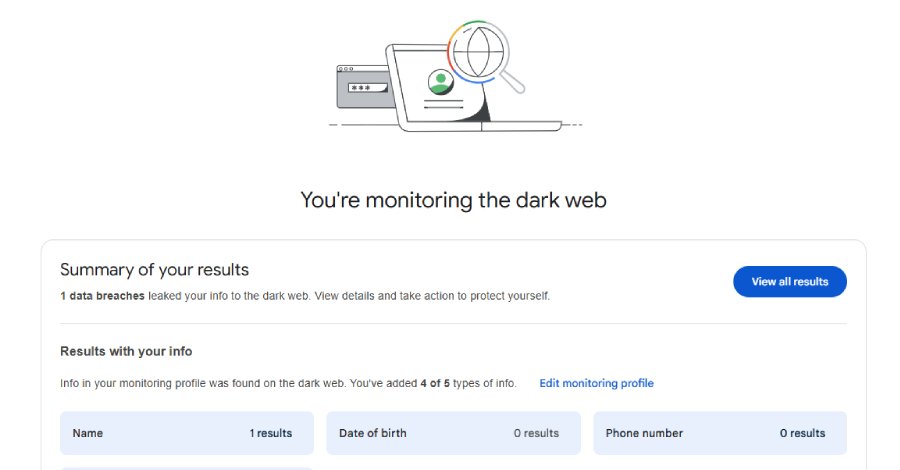
Google plans to discontinue its dark web report tool in February 2026. This service, launched in March 2023, aimed to monitor users’ personal information on the dark web. However, despite its initial promise, the tool faced criticism. Users reported that it lacked actionable next steps for addressing potential risks. In response, Google stated, “We’re making this change to instead focus on tools that give you more clear, actionable steps to protect your information online.” Consequently, scans for new dark web breaches will cease on January 15, 2026, and the entire feature will vanish by February 16, 2026.

Transitioning away from this tool, Google will delete all related user data once it retires. Users can also choose to remove their monitoring profiles in advance if they prefer. Google encourages account holders to boost their online security by adopting phishing-resistant multi-factor authentication (MFA). Furthermore, the tech giant advises users to manage their personal information visibility on its platforms effectively.

Reflections on Online Safety Tools

The dark web report emerged as an attempt to combat online identity theft, a pressing issue in today’s digital landscape. By scanning for personal data leaks, it aimed to empower users against identity fraud. After extending its availability beyond Google One subscribers to all account holders in July 2024, the service garnered mixed reactions.

Users now face the question of how to approach their online safety as Google shifts its focus. While the discontinuation could disappoint some, it may signal a strategic move towards more effective privacy protections. As Google pivots to tools that provide clearer guidance, the tech industry can monitor how such changes affect user trust and adoption of new security measures in the ongoing journey towards a safer online experience.

Stay Ahead with the Latest Tech Trends

Dive deeper into the world of Cryptocurrency and its impact on global finance.

Access comprehensive resources on technology by visiting Wikipedia.

DataProtection-V1

Share. Facebook Twitter Pinterest LinkedIn Tumblr Email
Previous ArticleSantaStealer Exposes Users by Stealing Sensitive Documents, Credentials, and Wallet Data
Next Article Sandworm’s New Tactics Signal Rising Threats
Avatar photo
Staff Writer
  • Website

John Marcelli is a staff writer for the CISO Brief, with a passion for exploring and writing about the ever-evolving world of technology. From emerging trends to in-depth reviews of the latest gadgets, John stays at the forefront of innovation, delivering engaging content that informs and inspires readers. When he's not writing, he enjoys experimenting with new tech tools and diving into the digital landscape.

Comments are closed.

Latest Posts

AI Malware Could Target UK Infrastructure by 2028

November 4, 2026

HACKING MANAGED SERVICES
Super Cyber Friday · 11.20.26
Join us.

November 4, 2026

Gorbag Spies Target Ukraine’s Government, Defense and Transport

November 4, 2026

3AM AI-Driven Ransomware Hits UK Schools

November 4, 2026
Don't Miss

Subscribe to Updates

Subscribe to our newsletter and never miss our latest news

Subscribe my Newsletter for New Posts & tips Let's stay updated!

Recent Posts

  • AI Malware Could Target UK Infrastructure by 2028

  • Hijacked cPGuard Updates Backdoor Linux Servers, Harvest Password Hashes

  • Debian/Ubuntu APT Flaw Enables MitM Package Swaps, Root Execution
  • HACKING MANAGED SERVICES
    Super Cyber Friday · 11.20.26
    Join us.

  • Legacy Email Scripts Remain Vulnerable to Exploitation
About Us
About Us

Welcome to The CISO Brief, your trusted source for the latest news, expert insights, and developments in the cybersecurity world.

In today’s rapidly evolving digital landscape, staying informed about cyber threats, innovations, and industry trends is critical for professionals and organizations alike. At The CISO Brief, we are committed to providing timely, accurate, and insightful content that helps security leaders navigate the complexities of cybersecurity.

Facebook X (Twitter) Pinterest YouTube WhatsApp
Our Picks

AI Malware Could Target UK Infrastructure by 2028

November 4, 2026

Hijacked cPGuard Updates Backdoor Linux Servers, Harvest Password Hashes

November 4, 2026

Debian/Ubuntu APT Flaw Enables MitM Package Swaps, Root Execution

November 4, 2026
Most Popular

Gefährliche Angriffe: Wie Cyberkriminelle Ihre Identität angreifen

January 29, 2026361 Views

Fortinet VPN vulnerability exploited for remote access compromise

June 19, 2026238 Views

Salesforce Disables Klue App After Data Breach from Token Abuse

June 19, 2026218 Views

Archives

  • November 2026
  • October 2026
  • September 2026
  • August 2026
  • July 2026
  • June 2026
  • May 2026
  • April 2026
  • March 2026
  • February 2026
  • January 2026
  • December 2025
  • November 2025
  • October 2025
  • September 2025
  • August 2025
  • July 2025
  • June 2025

Categories

  • Compliance
  • Cyber Updates
  • Cybercrime and Ransomware
  • Editor's pick
  • Emerging Tech
  • Events
  • Featured
  • Insights
  • Most Read
  • Threat Intelligence
  • Uncategorized
© 2026 thecisobrief. Designed by thecisobrief.
  • Home
  • About Us
  • Advertise with Us
  • Contact Us
  • DMCA
  • Privacy Policy
  • Terms & Conditions

Type above and press Enter to search. Press Esc to cancel.