

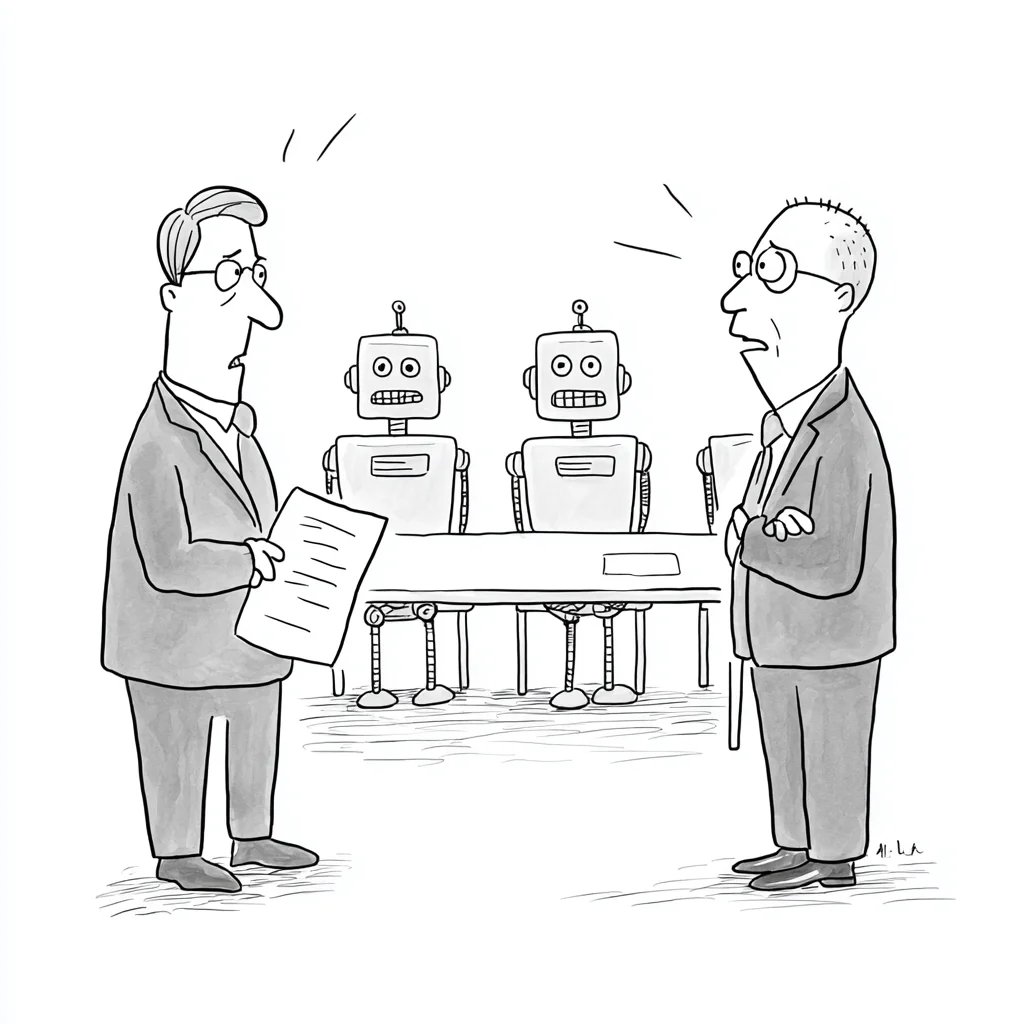
- The IoT Advisory Board report highlights significant barriers to IoT adoption in the U.S., including trust issues, cybersecurity concerns, privacy worries, supply chain vulnerabilities, and a lack of skilled workforce.
- Establishing trust requires a multi-dimensional approach focusing on cybersecurity, privacy, system reliability, and supply chain integrity to ensure public confidence in IoT.
- Addressing workforce gaps involves integrating IoT skill development into education and training programs, emphasizing cybersecurity, privacy, and system maintenance expertise.
- The report offers 104 recommendations across themes like trust and workforce readiness, encouraging collaboration across industry, academia, and government to unlock IoT’s transformative potential.
Understanding the Role of Trust and Skills in IoT Adoption
In today’s enterprise environment, embracing Internet of Things (IoT) technology can boost efficiency and innovation. However, challenges still exist. The recent report by the IoT Advisory Board highlights that trust is key. When businesses connect devices, security and privacy become major concerns. People need to feel confident that their data is safe and that systems work as promised. Without trust, companies hesitate to adopt IoT widely.
Moreover, the report stresses the importance of a skilled workforce. A lack of workers with the right skills delays IoT integration. Companies need experts who understand cybersecurity, privacy, and how to maintain complex systems. Without these professionals, IoT projects risk failure or vulnerabilities. Therefore, enterprises should focus on training employees and collaborating with educational institutions. A well-prepared team can better handle IoT’s complexities and provide smoother implementation.
By addressing trust and skill gaps, businesses can unlock IoT’s full potential. These issues are not just technical; they influence how quickly and securely companies adopt these technologies. Developing trust and workforce capabilities will help enterprises stay competitive and secure in a connected world.
Practical Steps for Daily Enterprise Operations
For everyday enterprise IT, the report offers valuable guidance. First, companies should prioritize cybersecurity measures. This includes securing devices, encrypting data, and monitoring networks. These steps help prevent unauthorized access and data breaches. Second, privacy must remain a top priority. Enterprises should clearly define how data is collected, used, and shared. Transparent policies increase trust among users and partners.
Next, companies should work to improve interoperability. IoT devices often come from different vendors and must communicate seamlessly. Establishing standards and working with industry groups can simplify integration. This makes daily operations smoother and reduces delays caused by incompatible systems.
Finally, investing in workforce development pays off. Providing ongoing training and certification ensures staff are equipped for IoT’s evolving demands. Collaboration with academia and government initiatives can further prepare employees. Implementing these practical steps can help enterprises turn IoT challenges into opportunities—fostering innovation, security, and growth in a connected economy.
Discover More Technology Insights
Explore innovations driving the future in Emerging Tech and digital transformation.
Stay inspired by the vast knowledge available on Wikipedia.
Expert Insights Multi
